

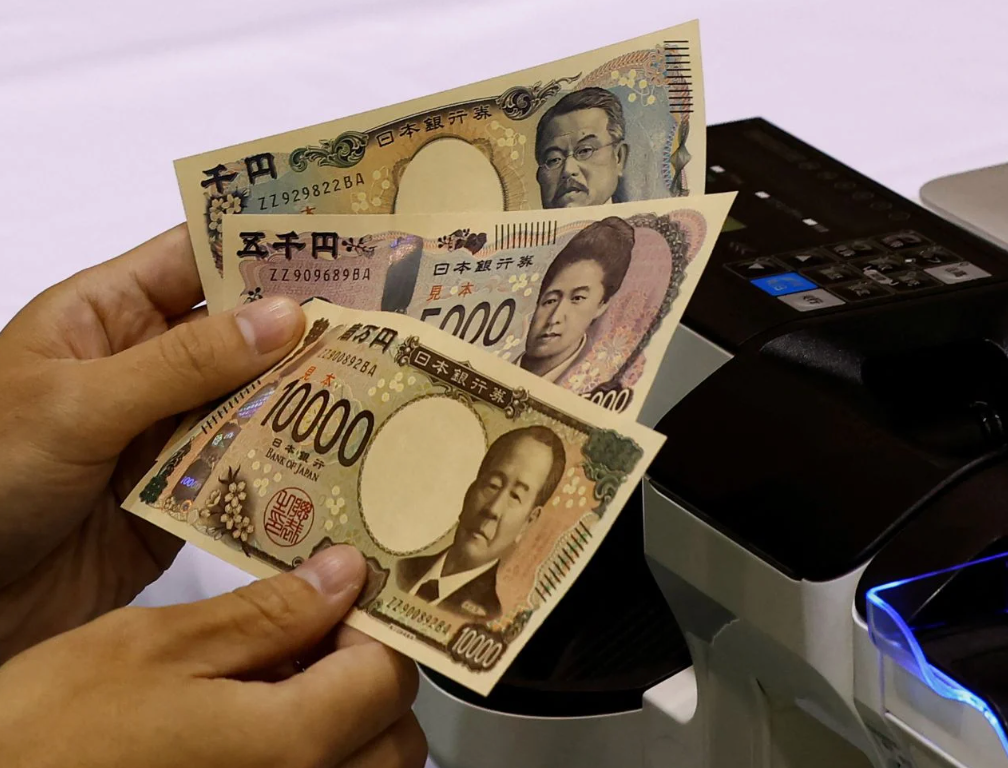
 Japanese Yen at 40-Year Low Amid Dollar Surge
The Japanese yen has weakened to its lowest level in four decades, placing renewed pressure on Japanese policymakers and capturing the attention of currency traders worldwide. The move comes as the US dollar continues to strengthen, widening the interest rate gap between the United States and Japan while increasing speculation that Tokyo could once again step into the foreign exchange market.
Japanese Yen's Historic Decline
The latest decline has pushed the USD/JPY exchange rate toward levels that previously prompted official intervention. Although authorities have yet to take action, market participants are becoming increasingly alert as the Japanese yen continues to test historically weak territory.
Interestingly, this is more than a story about one currency. The performance of the Japanese yen is influencing broader market sentiment, affecting equities, bond yields and international capital flows across Asia.
Why the Japanese Yen Keeps Falling
The primary driver behind the weakness in the Japanese yen remains the divergence in monetary policy between the United States and Japan. According to The Economic Times, the US Federal Reserve has maintained a relatively hawkish stance, with policymakers signalling that interest rates may remain elevated for longer than previously expected.
Higher US Treasury yields continue to attract global capital into dollar-denominated assets, supporting demand for the greenback. Japan faces a very different environment. Although the Bank of Japan has gradually adjusted parts of its monetary policy framework, borrowing costs remain among the lowest in the developed world.
As a result, investors continue to favour higher-yielding currencies over the Japanese yen, putting sustained downward pressure on the currency. This interest rate differential has become one of the most closely watched themes in the foreign exchange market.
Intervention Risks Are Returning
Currency intervention has once again become a major talking point. When the Japanese yen weakened sharply in previous years, Japanese authorities entered the foreign exchange market to buy yen and sell US dollars in an effort to stabilise the currency.
Officials have not confirmed whether another intervention is imminent. However, Finance Minister Katsunobu Kato has repeatedly stated that authorities are closely monitoring currency movements and remain prepared to respond if excessive volatility threatens economic stability.
Markets often react to the possibility of intervention long before any official action takes place. As traders speculate over potential government involvement, price movements can become increasingly volatile even without direct intervention.
A Strong Dollar Continues to Dominate
The recent strength of the US dollar has not been driven solely by developments in Japan. Resilient US economic data, relatively firm inflation and expectations that the Federal Reserve will delay interest rate cuts have all reinforced confidence in the dollar.
The US Dollar Index has remained supported as investors continue seeking higher returns from US assets. That broader dollar strength naturally places additional pressure on lower-yielding currencies such as the Japanese yen.
For global investors, this has reinforced the appeal of dollar-denominated investments while reducing demand for traditional funding currencies.
What a Weak Japanese Yen Means for Japan
A weaker Japanese yen produces both advantages and challenges for the Japanese economy. Export-oriented companies often benefit because overseas earnings become more valuable when converted back into yen. Large manufacturers in sectors such as automobiles, industrial machinery and electronics generally see improved competitiveness abroad.
The picture becomes more complicated for consumers and import-dependent businesses. Japan imports much of its energy, food and raw materials. A weaker currency raises import costs, increasing inflationary pressures for households and businesses alike.
This balancing act leaves policymakers facing a difficult challenge. Allowing the Japanese yen to weaken further could support exporters while simultaneously increasing living costs for domestic consumers.
Global Markets Are Paying Attention
Currency markets rarely operate in isolation. A sharp decline in the Japanese yen can influence investment decisions well beyond Japan.
International fund managers may adjust currency hedging strategies. Exporters reassess pricing assumptions. Central banks across Asia monitor regional currency movements to ensure their own exchange rates remain competitive.
Meanwhile, global equity investors often pay close attention to Japanese markets because a weaker Japanese yen can improve corporate earnings for many of the country's largest listed companies. At the same time, excessive currency volatility creates uncertainty, something financial markets generally dislike.
Key Levels Traders Are Watching
The psychological importance of current USD/JPY levels cannot be ignored. Previous episodes of intervention occurred after the exchange rate approached similar territory, making today's market particularly sensitive to official comments from Tokyo.
Traders will also focus on several upcoming developments that could influence the Japanese yen:
- Future Federal Reserve policy decisions
- Bank of Japan policy guidance
- US inflation and employment data
- Japanese inflation figures
- Comments from Japan's Ministry of Finance regarding currency movements
Each of these factors has the potential to influence the next direction of the Japanese yen.
A Defining Moment for the Currency Market
The decline of the Japanese yen has become one of the defining themes in global foreign exchange markets during 2026. While the strong US dollar continues to reflect robust investor confidence in the American economy, Japan faces growing pressure to balance monetary policy with currency stability.
Whether authorities ultimately decide to intervene remains uncertain. History shows that intervention can temporarily slow market momentum, although longer-term trends are often determined by broader economic fundamentals and interest rate expectations.
For now, investors are watching every move in the Japanese yen with heightened attention. As long as policy divergence between the Federal Reserve and the Bank of Japan persists, currency volatility is likely to remain elevated, making the yen one of the most closely followed assets in the global financial markets.
