

시장 분석
Oil Prices Surge After Iran Strike on UAE Energy Facility Raises Supply Concerns
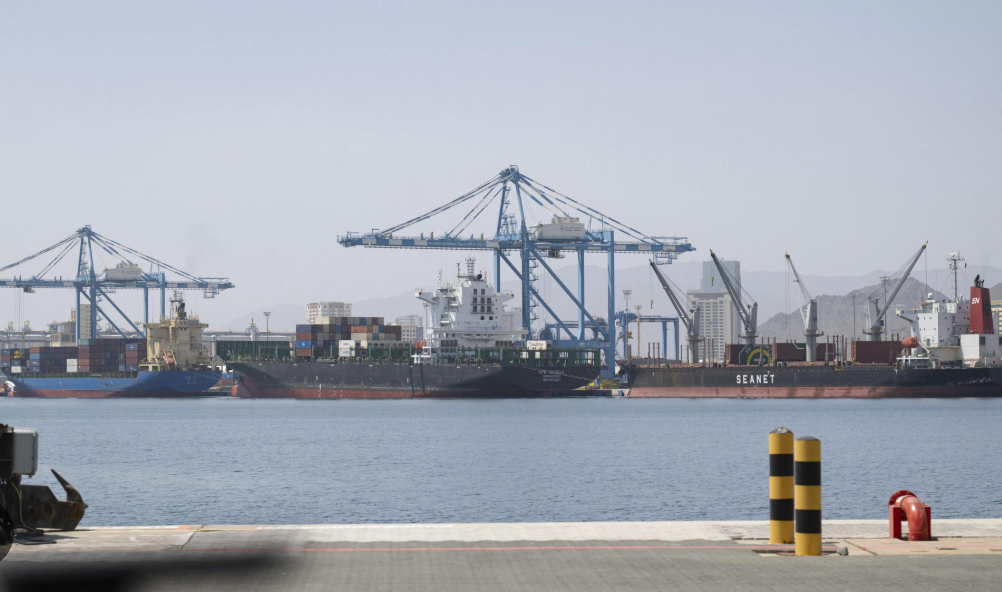 Oil Prices Surge After Iran Strike on UAE Energy Facility Raises Supply Concerns
Global Markets React to Oil Prices Tensions
The phrase oil prices surge has returned to the forefront of global markets, and the catalyst is once again geopolitical tension. A reported strike linked to Iran on an energy facility in Fujairah, United Arab Emirates, has triggered renewed concerns over supply disruptions. Markets reacted quickly, and prices moved higher as traders reassessed their positions.
According to Financial Post, traders are now closely monitoring risks surrounding key energy routes, particularly those connected to the Strait of Hormuz. This region is not just strategically important—it is essential. A significant portion of the world's oil prices are influenced by the volume of crude passing through this critical waterway daily.
Supply Risks Take Centre Stage
Whenever geopolitical instability touches energy infrastructure, the reaction tends to follow a familiar pattern: oil prices surge as traders begin to factor in potential disruptions. The reported strike in Fujairah is especially sensitive due to its location and the strategic importance of UAE energy assets.
The UAE is a major oil exporter, and its infrastructure plays a critical role in maintaining steady global supply chains. Even the perception of risk can influence oil prices significantly. Actual disruption is not always necessary for markets to respond with volatility.
Interestingly, the current move reflects precaution rather than confirmed shortages. The market is reacting not only to what has happened but to what could happen next. The oil prices surge narrative is therefore being driven by uncertainty and forward-looking trader sentiment.
The Strategic Importance of the Strait of Hormuz
The oil prices surge story cannot be separated from the Strait of Hormuz—this narrow waterway connects the Persian Gulf to global markets and handles roughly a fifth of the world's oil shipments. Any threat to this route has immediate implications for global energy security.
The recent strike has revived concerns about possible disruptions to shipping lanes in this critical region. While there has been no confirmed closure or blockade, the risk premium attached to oil prices has increased noticeably. That shift matters significantly for traders and investors worldwide.
Even a temporary slowdown in tanker movements could tighten supply conditions and push prices higher. As a result, oil prices surge not just on current events but on expectations of future constraints and supply disruptions.
Market Reaction and Price Movement
In the immediate aftermath of the news, oil prices surged across major benchmarks. Brent crude and West Texas Intermediate both recorded notable gains as traders adjusted their positions and reassessed risk exposure. The move reflects a classic risk response pattern in commodity markets.
Investors sought to hedge against supply shocks, driving demand for oil futures contracts. Meanwhile, broader financial markets showed signs of caution, with equity indices softening slightly and safe haven assets gaining modest support. However, the overall reaction has remained measured and analytical rather than panic-driven.
The current adjustment based on perceived risk demonstrates how quickly oil prices respond to geopolitical developments affecting global supply chains.
Broader Implications for Energy Markets
The oil prices surge highlights deeper vulnerabilities within the global energy system. Despite concerted efforts to diversify supply sources, the Middle East remains absolutely central to oil production and international distribution networks. This ongoing reliance creates persistent sensitivity to geopolitical developments in the region.
Even isolated incidents can have outsized effects on market sentiment and commodity valuations. The recent strike reinforces this reality for policymakers and energy investors. Moreover, higher oil prices can directly influence inflation expectations across developed and emerging economies.
Currency and Commodity Spillover Effects
The impact of the oil prices surge extends far beyond the energy sector itself. Currency markets are responding to changed economic fundamentals. Oil-exporting nations may see their currencies supported by higher commodity values, while import-dependent economies could face exchange rate pressure.
Gold, often viewed as a safe haven asset, has shown signs of stability amid rising geopolitical risk. Meanwhile, equity markets are actively adjusting to the possibility of sustained higher oil prices and energy costs affecting corporate profitability across sectors.
The interconnected nature of global markets means that a single geopolitical event can trigger multiple cascading reactions across asset classes. The oil prices surge is not an isolated phenomenon but part of a broader shift in market sentiment and risk assessment.
Key Factors Markets Are Monitoring
Attention is now focused on several critical questions that will determine future oil prices direction:
- Will there be further military strikes or escalation?
- Will shipping routes through the Strait of Hormuz be affected or restricted?
- Will tensions ease before significant supply disruptions occur?
- How will major oil producers respond to market pressures?
The answers to these questions will determine whether the oil prices surge continues its upward trajectory or eventually stabilises. For now, markets remain in a watchful state, responsive to breaking news and developments.
Production Response and Supply Adjustment
There is also the critical question of producer response. How will major oil prices-setting nations react to current market conditions? Will Saudi Arabia, Russia, or other major producers consider output adjustments to support prices or ensure supply stability?
These strategic decisions could significantly influence price direction in the coming days and weeks. OPEC coordination and individual producer actions remain important variables in the oil prices equation moving forward.
Balancing Risk Assessment and Market Reality
The current situation reflects a delicate balance in how traders approach oil prices valuation. On one hand, the surge is driven by legitimate concerns over supply security and geopolitical risk. On the other hand, there is still no confirmation of widespread disruption to actual oil production or shipping.
This creates a market environment defined by caution rather than panic. Traders are positioning defensively, yet they remain highly responsive to new information and developments that could shift the oil prices outlook significantly.
The coming days will be critical for determining whether the current trend persists or reverses. If tensions escalate further, the oil prices surge could extend considerably higher. If stability returns to the region, some of the risk premium may gradually fade from valuations.
Conclusion: Energy Markets and Geopolitical Sensitivity
For now, one fundamental reality remains clear: energy markets are highly sensitive to geopolitical developments, and the latest events have reinforced just how quickly oil prices sentiment can shift in response to external shocks. Global supply chains, energy security, and the complex interconnections between commodity markets and broader financial systems ensure that oil prices will continue to warrant careful monitoring by investors, policymakers, and market participants worldwide.
DISCLAIMER: Derivative products carry high risk and may result in the loss of your entire invested capital. Before trading, ensure you fully understand the legal framework, product characteristics, and your broker’s trading rules. Always trade responsibly and with caution.
RISK WARNING: Margin trading with leverage is not suitable for all investors due to its high risk. THERE ARE NO GUARANTEED RETURNS in trading. Beware of any claims promising assured profits. Only use capital you can afford to lose. Before engaging in any transaction, ensure you understand the risks and assess both your experience and risk tolerance.
