

시장 분석
US Dollar Rises as Failed US-Iran Talks Push Investors Toward Safer Assets
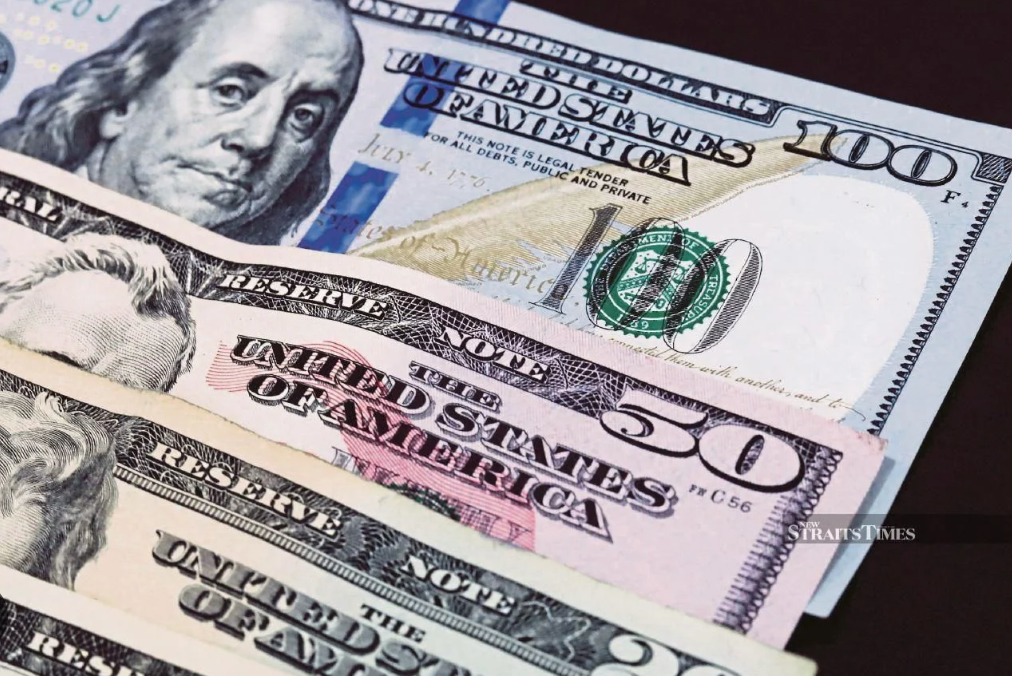 US Dollar Rises as US-Iran Talks Collapse Sharply
The US Dollar has strengthened notably following the collapse of peace talks between the United States and Iran. The breakdown in negotiations has unsettled global markets, prompting investors to shift toward safer assets.
This shift has pushed the US Dollar higher against major currencies. The move reflects a familiar pattern. When geopolitical tensions rise, demand for stability tends to increase, and the US Dollar often benefits from that dynamic.
According to Channel News Asia, the latest surge in the US Dollar is being closely monitored by central banks across Asia, as the currency's rapid appreciation is complicating export strategies and prompting defensive adjustments in foreign exchange reserves.
Why the US Dollar Is Gaining Strength
The recent rise in the US Dollar is closely tied to risk sentiment. When uncertainty enters the market, investors tend to move capital into assets perceived as safer. The US Dollar, supported by the size and liquidity of the US economy, often becomes a primary destination.
The failure of diplomatic talks has acted as a catalyst rather than a standalone cause. Markets were already sensitive to geopolitical risks. This development simply intensified those concerns. The US Dollar is not just reacting to events. It is responding to the broader mood of the market, where fear, caution, and uncertainty all play a role in shaping its movement.
Safe-Haven Demand Drives the US Dollar
Safe-haven flows have been a key driver behind the recent movement in the US Dollar. Alongside assets like gold and US Treasuries, the US Dollar is seen as a relatively stable store of value during turbulent periods.
As tensions between the US and Iran escalated, traders reduced exposure to riskier assets. The currencies most affected by the stronger US Dollar include:
- Emerging market currencies, which came under significant selling pressure
- Commodity-linked currencies exposed to shifts in global risk appetite
- Regional currencies in economies with close trade ties to conflict zones
This behavior is consistent with past market reactions. During periods of geopolitical instability, the US Dollar often rises, even when underlying economic data remains unchanged. As reported by Channel News Asia, currency strategists are describing the current demand for the US Dollar as a textbook safe-haven response.
Impact on Global Currency Markets
The strengthening of the US Dollar has had a ripple effect across currency markets. Major currency pairs have adjusted accordingly, with the euro and yen showing mixed responses depending on local economic conditions.
The USD/JPY pair reflects a complex interaction. While both currencies can act as safe havens, shifts in interest rate expectations often influence their relative performance against the US Dollar. Meanwhile, commodity-linked currencies have weakened as risk sentiment deteriorated, adding another layer of pressure on economies that compete in global trade markets where the US Dollar serves as the dominant pricing currency.
Broader Market Implications
A stronger US Dollar can influence multiple aspects of the global economy. The most significant effects include:
- Commodity price pressure, as oil and gold priced in dollars experience demand shifts when the US Dollar moves sharply
- Tightening global liquidity conditions, since many international transactions are conducted in US Dollar terms
- Increased debt servicing costs for emerging market governments with dollar-denominated liabilities
- Reduced purchasing power for importers operating outside the US Dollar zone
Central banks are likely to monitor these developments closely. While the rise in the US Dollar reflects external geopolitical factors, it can still influence domestic economic conditions across multiple regions simultaneously.
What Traders Are Watching Now
Market participants are focusing on two key elements. First, the trajectory of geopolitical tensions. Any further escalation could sustain demand for the US Dollar and push it toward multi-month highs against a range of peers.
Second, economic data from the United States remains important. Interest rate expectations continue to play a role in shaping US Dollar movements. If economic indicators remain strong, they could reinforce the current upward trend. Key data points being monitored include:
- US inflation readings and their effect on Federal Reserve rate expectations
- Non-farm payroll figures, which influence the US Dollar via growth outlook assumptions
- Consumer confidence data, which signals domestic demand conditions
At the same time, traders are aware that sentiment can shift quickly. Diplomatic developments, even minor ones, can alter the direction of the US Dollar in a short period. According to Channel News Asia, several regional currency desks have placed contingency orders in anticipation of sharp reversals should any sign of renewed negotiations emerge.
A Reflection of Market Uncertainty
The recent strength of the US Dollar highlights the influence of global events on financial markets. It serves as a reminder that currencies are not driven solely by economic fundamentals. External factors, including political developments, can have an immediate and significant impact on the US Dollar and the broader currency landscape.
For now, the US Dollar remains supported by safe-haven demand. Whether this trend continues will depend on how the geopolitical situation evolves. Markets are watching closely, and the next move in the US Dollar may depend on developments that are, by their nature, difficult to predict.
DISCLAIMER: Derivative products carry high risk and may result in the loss of your entire invested capital. Before trading, ensure you fully understand the legal framework, product characteristics, and your broker’s trading rules. Always trade responsibly and with caution.
RISK WARNING: Margin trading with leverage is not suitable for all investors due to its high risk. THERE ARE NO GUARANTEED RETURNS in trading. Beware of any claims promising assured profits. Only use capital you can afford to lose. Before engaging in any transaction, ensure you understand the risks and assess both your experience and risk tolerance.
