

시장 분석
Asian Tech Stocks Slide as AI Spending Concerns Trigger a Broader Market Sell-Off
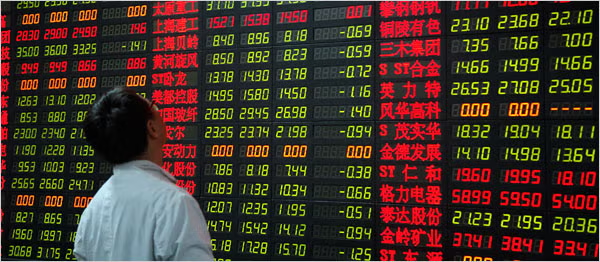
Asian Equities Come Under Renewed Pressure
Asian stock markets faced a sharp sell-off on 22 October as concerns over artificial intelligence investment costs and rising geopolitical risks weakened investor confidence. The MSCI Asia-Pacific index excluding Japan fell 1.8%, reaching its lowest level in nearly three months. Japan’s Nikkei declined around 2%, South Korea’s KOSPI dropped more than 4%, China’s CSI 300 fell approximately 2%, and Hong Kong’s Hang Seng Index lost more than 3%.
The decline highlights a shift in market priorities. Investors are increasingly looking beyond strong earnings headlines and asking whether substantial spending on AI infrastructure can translate into sustainable profits.
AI Investment Costs Become a Key Market Concern
The AI sector has attracted substantial capital as companies expand data centres, computing capacity and semiconductor infrastructure. However, the scale of investment has increased scrutiny of funding requirements, operating costs and the timeline for generating returns.
Meta reported third-quarter revenue above expectations, while SpaceX reported its first profit as a public company. Nevertheless, positive corporate developments were not enough to restore confidence across Asian technology markets. Investors remain sensitive to the possibility that rising AI expenditure could weigh on cash flow and profitability, particularly if revenue growth fails to keep pace with infrastructure costs.
This does not necessarily mean the long-term AI growth outlook has deteriorated. Instead, markets may be becoming more selective, rewarding companies that demonstrate clear commercial returns while reassessing businesses whose valuations depend heavily on future growth expectations.
Semiconductor Stocks Lead the Decline
Semiconductor and technology shares were among the weakest performers during the regional sell-off. Tokyo Electron fell more than 6%, while SK Hynix and Samsung Electronics declined by approximately 5.7% and 4.2%, respectively. Alibaba also recorded a significant decline.
Semiconductor manufacturers and equipment suppliers are closely tied to expectations for data-centre expansion, chip demand and technology investment. When investors question the pace or profitability of AI spending, these companies can face pressure even without an immediate deterioration in reported earnings.
For traders, the key issue is whether the decline remains concentrated in high-valuation technology stocks or spreads into broader equity sectors. Continued weakness in semiconductor shares could weigh on regional indices, particularly markets with significant technology exposure.
Geopolitical Risks Add to Market Uncertainty
Technology concerns were not the only factor influencing sentiment. Renewed tensions in the Gulf pushed oil prices higher and increased uncertainty about global energy supplies.
Higher energy costs can increase transportation, manufacturing and operating expenses. If elevated oil prices persist, investors may also reassess inflation expectations and the potential implications for monetary policy.
Movements in government bond yields remain important for equity valuations. Higher yields can reduce the relative appeal of stocks and place greater pressure on growth-oriented companies whose expected earnings are concentrated further in the future.
What Traders Should Watch Next
- Technology earnings and guidance: Updates on revenue growth, capital expenditure and profitability could influence semiconductor and broader technology valuations.
- Semiconductor performance: Further losses in chipmakers may signal continued pressure across AI-linked equities and regional benchmarks.
- US Federal Reserve signals: The policy decision and accompanying communication could affect bond yields, equity valuations and overall risk appetite.
- Oil prices and geopolitical developments: A sustained rise in energy costs could increase inflation concerns and weigh on global equities.
- Broader market participation: Whether declines spread beyond technology stocks may help indicate if the sell-off is sector-specific or part of a wider reduction in risk exposure.
Market Outlook
The latest decline suggests investors are becoming more cautious about the relationship between AI investment, earnings growth and market valuations. Strong corporate results may continue to support selected companies, but they may not be enough to lift the broader sector if concerns over spending and returns persist.
In the near term, Asian equities and technology stocks could remain sensitive to earnings guidance, bond yields and geopolitical developments. A stabilisation in semiconductor shares and clearer evidence of profitable AI demand could help improve sentiment. Conversely, further earnings disappointments or a renewed rise in energy prices may extend market pressure.
Traders should remain alert to sharp price movements and changing correlations across equity indices, technology stocks and energy markets. Volatility can create opportunities, but it also increases the importance of position sizing and disciplined risk management.
DISCLAIMER: Derivative products carry high risk and may result in the loss of your entire invested capital. Before trading, ensure you fully understand the legal framework, product characteristics, and your broker’s trading rules. Always trade responsibly and with caution.
RISK WARNING: Margin trading with leverage is not suitable for all investors due to its high risk. THERE ARE NO GUARANTEED RETURNS in trading. Beware of any claims promising assured profits. Only use capital you can afford to lose. Before engaging in any transaction, ensure you understand the risks and assess both your experience and risk tolerance.
