

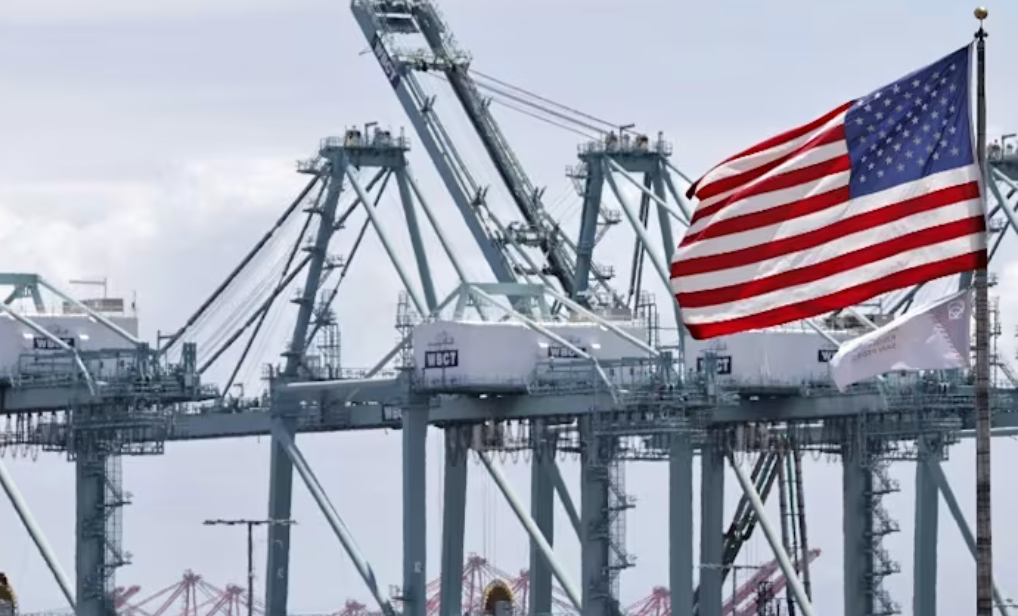
 US Forced Labour Tariffs Expand Across Dozens of Trading Partners
The United States has widened its trade enforcement measures by imposing new US forced labour tariffs on imports linked to alleged forced labour across dozens of trading partners. According to Reuters, the latest action represents a significant development in global trade policy, highlighting Washington's growing focus on supply chain transparency and labour standards.
The expanded US forced labour tariffs are expected to affect a broad range of imported goods, adding another layer of complexity for manufacturers, exporters, and multinational companies that depend on international supply chains. Although the policy is primarily presented as a human rights initiative, it also carries meaningful implications for global commerce, production costs, and investor sentiment.
Why the US Forced Labour Tariffs Matter
The latest US forced labour tariffs extend existing efforts to prevent products made with forced labour from entering the American market. According to BBC, authorities have identified imports from numerous trading partners that may face higher scrutiny or additional tariffs under expanded enforcement measures.
For companies operating across multiple countries, this creates fresh compliance challenges. Manufacturers may need to provide more detailed documentation proving the origin of raw materials, production methods, and labour practices before goods are allowed into the United States. Businesses unable to satisfy these requirements could face shipment delays, higher costs, or even restrictions on market access.
Interestingly, the policy reaches beyond direct exporters. Suppliers, subcontractors, logistics providers, and retailers throughout the supply chain could also experience indirect effects as companies strengthen due diligence procedures.
A Broader Shift in US Trade Policy
The expanded US forced labour tariffs reflect a broader trend within American trade policy. Over recent years, trade decisions have increasingly incorporated national security, environmental concerns, and labour rights alongside traditional economic objectives.
This shift mirrors changes taking place across other major economies as well. According to The Guardian, the European Union, Canada, Australia, and several other jurisdictions have introduced or proposed regulations requiring companies to examine supply chains more closely and verify that products are not linked to forced labour or other human rights violations.
- The European Union: stricter due diligence directives
- Canada: expanded import bans on forced labour goods
- Australia: modern slavery reporting requirements
As a result, global businesses are operating in an environment where regulatory expectations continue to expand.
Supply Chains Face Another Challenge
Global supply chains have already experienced several years of disruption. The pandemic exposed weaknesses in international logistics, geopolitical tensions reshaped manufacturing strategies, and rising shipping costs increased operating expenses. Now, the expanded US forced labour tariffs introduce another variable that companies must manage.
Businesses may respond by diversifying suppliers or relocating portions of their manufacturing operations to jurisdictions viewed as lower risk. Some companies have already begun adopting a "China Plus One" strategy, adding production capacity in countries such as Vietnam, India, Mexico, or Indonesia while maintaining existing operations elsewhere.
"For multinational manufacturers, flexibility is becoming an increasingly valuable competitive advantage." — According to Bloomberg
Which Industries Could Be Most Affected?
The impact of the US forced labour tariffs is unlikely to be evenly distributed. Industries with complex global supply chains may experience the greatest challenges.
- Textiles and apparel
- Electronics
- Automotive manufacturing
- Solar equipment
- Mining and industrial components
Many finished products rely on raw materials sourced from multiple countries before final assembly takes place, which makes verifying every stage of production considerably more difficult. Companies with stronger supplier oversight systems may adapt relatively quickly, while others could require significant investment in auditing, compliance technology, and supplier verification programs.
Market Reaction and Investor Perspective
Financial markets typically pay close attention to changes in trade policy because they can influence corporate earnings and global economic growth. The expanded US forced labour tariffs arrive during a period when investors are already monitoring inflation, interest rates, and international trade negotiations.
According to CNBC, companies with diversified manufacturing networks may be viewed as better positioned to manage evolving trade rules. Meanwhile, investors may closely examine earnings guidance from multinational corporations for signs of higher compliance costs or supply chain adjustments.
Interestingly, markets often respond more to uncertainty than to the policy itself. If businesses gain greater clarity regarding implementation timelines, financial markets may gradually adjust.
Ethical Trade Becomes a Competitive Advantage
Corporate governance has become increasingly important for institutional investors. Environmental, Social, and Governance, commonly known as ESG, continues influencing investment decisions despite ongoing debate around its implementation.
The expanded US forced labour tariffs reinforce the growing expectation that companies maintain greater visibility throughout their supply chains. Businesses capable of demonstrating responsible sourcing practices may strengthen relationships with customers, regulators, and investors alike.
Global Trade Continues to Evolve
The latest US forced labour tariffs illustrate how international trade is becoming more closely connected with labour standards, corporate accountability, and supply chain transparency. While the immediate objective is to strengthen enforcement against goods linked to forced labour, the broader implications extend far beyond customs procedures.
Global trade has entered a period where compliance, transparency, and resilience are becoming just as important as efficiency and cost. The companies that successfully balance those priorities may be better positioned to navigate future policy changes while maintaining long-term competitiveness in international markets.
