

ការវិភាគទីផ្សារ
US Existing Home Sales Fall as Record House Prices Challenge Housing Affordability
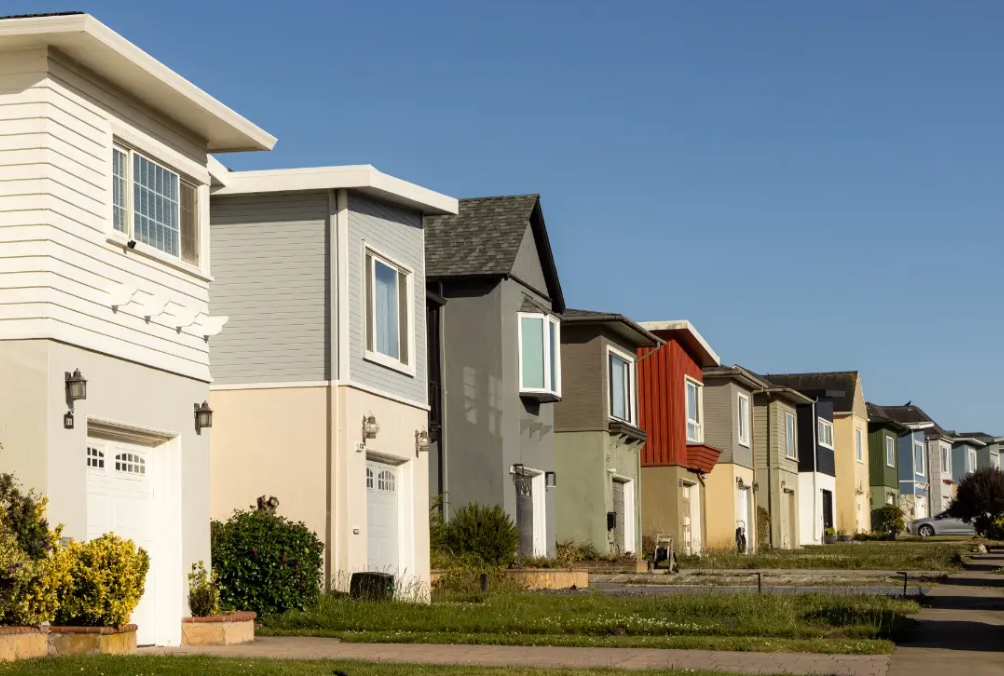
US Existing Home Sales Decline Amid Record Prices
US existing home sales unexpectedly declined in June even as house prices climbed to another record high, highlighting the growing affordability challenge facing prospective buyers. The combination of elevated mortgage rates, limited housing inventory, and higher borrowing costs continues to reshape one of the most closely watched sectors of the US economy.
According to the National Association of Realtors, US existing home sales fell 2.4% from the previous month to a seasonally adjusted annual rate of 4.09 million units. Economists had anticipated a modest increase, making the latest figures another reminder that demand remains fragile despite a relatively resilient labor market.
Interestingly, prices have continued moving in the opposite direction. The median existing home price reached a record $440,600, extending a remarkable streak of annual price gains even as transaction volumes softened. That combination has become one of the defining features of today's housing market.
US Existing Home Sales Slow Despite Strong Employment
A healthy labor market would normally provide support for housing demand. Weekly jobless claims remain relatively low, suggesting employers are still holding on to workers despite broader economic uncertainty. Yet US existing home sales continue to struggle.
Affordability has become the central issue. Mortgage rates have remained elevated after rising Treasury yields pushed financing costs higher. Combined with record home prices, monthly mortgage payments have increased substantially compared with just a few years ago. Many first-time buyers simply cannot qualify for financing that would have been manageable before interest rates climbed, according to Reuters.
Existing homeowners also face little incentive to sell. Millions secured mortgage rates well below current market levels during previous years. Selling their homes would often require taking on significantly more expensive financing for a replacement property, creating what economists frequently describe as a "lock-in effect."
As a result, available inventory remains constrained, limiting buyer choices while continuing to support higher prices.
Record House Prices Continue to Defy Expectations
Perhaps the most striking aspect of the latest report is that US existing home sales declined even as home values continued setting new records.
The median sales price climbed to $440,600, reflecting a 1.8% increase from a year earlier. Although annual price growth has moderated compared with the rapid appreciation seen during the pandemic housing boom, prices continue to move higher because supply remains well below long-term averages.
The explanation lies largely in inventory. Only about 1.56 million existing homes were available for sale during June, representing approximately a 4.6-month supply. A balanced housing market generally requires five to six months of inventory, meaning current supply still favors sellers despite weaker transaction activity, according to AP News.
Luxury Homes Continue to Outperform
Another notable trend emerging from the latest US existing home sales data is the growing divide between different segments of the housing market. Sales of higher-priced homes have remained relatively resilient, while activity among lower-priced properties has softened considerably.
- Homes valued above $500,000 continue attracting buyers with stronger financial resources
- First-time buyers face increasing affordability pressures from higher mortgage rates
- Middle-income households are especially affected by limited entry-level inventory
According to Reuters, this divide reflects the uneven impact of current financing costs across income levels.
Lawrence Yun, Chief Economist at the National Association of Realtors, noted that employment growth continues to support housing demand. However, he also acknowledged that affordability remains one of the biggest obstacles preventing stronger market activity, as reported by MarketWatch.
Mortgage Rates Remain a Critical Variable
Much of the outlook for US existing home sales now depends on mortgage rates. Recent geopolitical tensions have contributed to higher Treasury yields, which directly influence mortgage borrowing costs. Elevated financing expenses reduce purchasing power, making homes less affordable even if prices stabilize.
For example, a modest increase in mortgage rates can add hundreds of dollars to monthly payments on a typical home purchase. That reality forces many households to postpone buying decisions or reduce their budgets significantly.
- Persistent inflation has reduced expectations for aggressive interest rate cuts
- Borrowing costs remain higher than many buyers had hoped earlier in the year
- Financing conditions must improve meaningfully before demand becomes more even
Federal Reserve policy also remains central to the discussion, according to Reuters.
What This Means for the Broader Economy
Housing plays a significant role in overall economic activity. Weak US existing home sales can affect construction, home improvement spending, mortgage lending, furniture sales, and consumer confidence. Because housing influences so many industries, investors often view real estate data as an important indicator of broader economic momentum.
At the same time, stable employment and rising wages continue providing support for household finances. That has helped prevent a sharp correction in home prices despite slower sales volumes.
The current market therefore reflects an unusual balance. Demand has weakened enough to slow transactions, but not enough to trigger widespread price declines. Until inventory improves substantially or mortgage rates move lower, that balance may continue defining the US housing market.
A Market Still Searching for Balance
The latest US existing home sales report illustrates how affordability has become the dominant challenge across the US housing sector.
Record home prices, elevated mortgage rates, and constrained inventory continue limiting transaction activity, particularly among first-time buyers. Meanwhile, higher-end properties remain relatively resilient, supported by buyers with stronger financial positions.
Investors and policymakers will now be watching upcoming inflation data, Federal Reserve signals, and mortgage rate movements for clues about the next phase of the housing cycle. Whether affordability gradually improves or remains under pressure will likely determine the direction of US existing home sales during the second half of the year.
US Existing Home Sales Decline Amid Record Prices
US existing home sales unexpectedly declined in June even as house prices climbed to another record high, highlighting the growing affordability challenge facing prospective buyers. The combination of elevated mortgage rates, limited housing inventory, and higher borrowing costs continues to reshape one of the most closely watched sectors of the US economy.
According to the National Association of Realtors, US existing home sales fell 2.4% from the previous month to a seasonally adjusted annual rate of 4.09 million units. Economists had anticipated a modest increase, making the latest figures another reminder that demand remains fragile despite a relatively resilient labor market.
Interestingly, prices have continued moving in the opposite direction. The median existing home price reached a record $440,600, extending a remarkable streak of annual price gains even as transaction volumes softened. That combination has become one of the defining features of today's housing market.
US Existing Home Sales Slow Despite Strong Employment
A healthy labor market would normally provide support for housing demand. Weekly jobless claims remain relatively low, suggesting employers are still holding on to workers despite broader economic uncertainty. Yet US existing home sales continue to struggle.
Affordability has become the central issue. Mortgage rates have remained elevated after rising Treasury yields pushed financing costs higher. Combined with record home prices, monthly mortgage payments have increased substantially compared with just a few years ago. Many first-time buyers simply cannot qualify for financing that would have been manageable before interest rates climbed, according to Reuters.
Existing homeowners also face little incentive to sell. Millions secured mortgage rates well below current market levels during previous years. Selling their homes would often require taking on significantly more expensive financing for a replacement property, creating what economists frequently describe as a "lock-in effect."
As a result, available inventory remains constrained, limiting buyer choices while continuing to support higher prices.
Record House Prices Continue to Defy Expectations
Perhaps the most striking aspect of the latest report is that US existing home sales declined even as home values continued setting new records.
The median sales price climbed to $440,600, reflecting a 1.8% increase from a year earlier. Although annual price growth has moderated compared with the rapid appreciation seen during the pandemic housing boom, prices continue to move higher because supply remains well below long-term averages.
The explanation lies largely in inventory. Only about 1.56 million existing homes were available for sale during June, representing approximately a 4.6-month supply. A balanced housing market generally requires five to six months of inventory, meaning current supply still favors sellers despite weaker transaction activity, according to AP News.
Luxury Homes Continue to Outperform
Another notable trend emerging from the latest US existing home sales data is the growing divide between different segments of the housing market. Sales of higher-priced homes have remained relatively resilient, while activity among lower-priced properties has softened considerably.
- Homes valued above $500,000 continue attracting buyers with stronger financial resources
- First-time buyers face increasing affordability pressures from higher mortgage rates
- Middle-income households are especially affected by limited entry-level inventory
According to Reuters, this divide reflects the uneven impact of current financing costs across income levels.
Lawrence Yun, Chief Economist at the National Association of Realtors, noted that employment growth continues to support housing demand. However, he also acknowledged that affordability remains one of the biggest obstacles preventing stronger market activity, as reported by MarketWatch.
Mortgage Rates Remain a Critical Variable
Much of the outlook for US existing home sales now depends on mortgage rates. Recent geopolitical tensions have contributed to higher Treasury yields, which directly influence mortgage borrowing costs. Elevated financing expenses reduce purchasing power, making homes less affordable even if prices stabilize.
For example, a modest increase in mortgage rates can add hundreds of dollars to monthly payments on a typical home purchase. That reality forces many households to postpone buying decisions or reduce their budgets significantly.
- Persistent inflation has reduced expectations for aggressive interest rate cuts
- Borrowing costs remain higher than many buyers had hoped earlier in the year
- Financing conditions must improve meaningfully before demand becomes more even
Federal Reserve policy also remains central to the discussion, according to Reuters.
What This Means for the Broader Economy
Housing plays a significant role in overall economic activity. Weak US existing home sales can affect construction, home improvement spending, mortgage lending, furniture sales, and consumer confidence. Because housing influences so many industries, investors often view real estate data as an important indicator of broader economic momentum.
At the same time, stable employment and rising wages continue providing support for household finances. That has helped prevent a sharp correction in home prices despite slower sales volumes.
The current market therefore reflects an unusual balance. Demand has weakened enough to slow transactions, but not enough to trigger widespread price declines. Until inventory improves substantially or mortgage rates move lower, that balance may continue defining the US housing market.
A Market Still Searching for Balance
The latest US existing home sales report illustrates how affordability has become the dominant challenge across the US housing sector.
Record home prices, elevated mortgage rates, and constrained inventory continue limiting transaction activity, particularly among first-time buyers. Meanwhile, higher-end properties remain relatively resilient, supported by buyers with stronger financial positions.
Investors and policymakers will now be watching upcoming inflation data, Federal Reserve signals, and mortgage rate movements for clues about the next phase of the housing cycle. Whether affordability gradually improves or remains under pressure will likely determine the direction of US existing home sales during the second half of the year.
DISCLAIMER: Derivative products carry high risk and may result in the loss of your entire invested capital. Before trading, ensure you fully understand the legal framework, product characteristics, and your broker’s trading rules. Always trade responsibly and with caution.
RISK WARNING: Margin trading with leverage is not suitable for all investors due to its high risk. THERE ARE NO GUARANTEED RETURNS in trading. Beware of any claims promising assured profits. Only use capital you can afford to lose. Before engaging in any transaction, ensure you understand the risks and assess both your experience and risk tolerance.
