

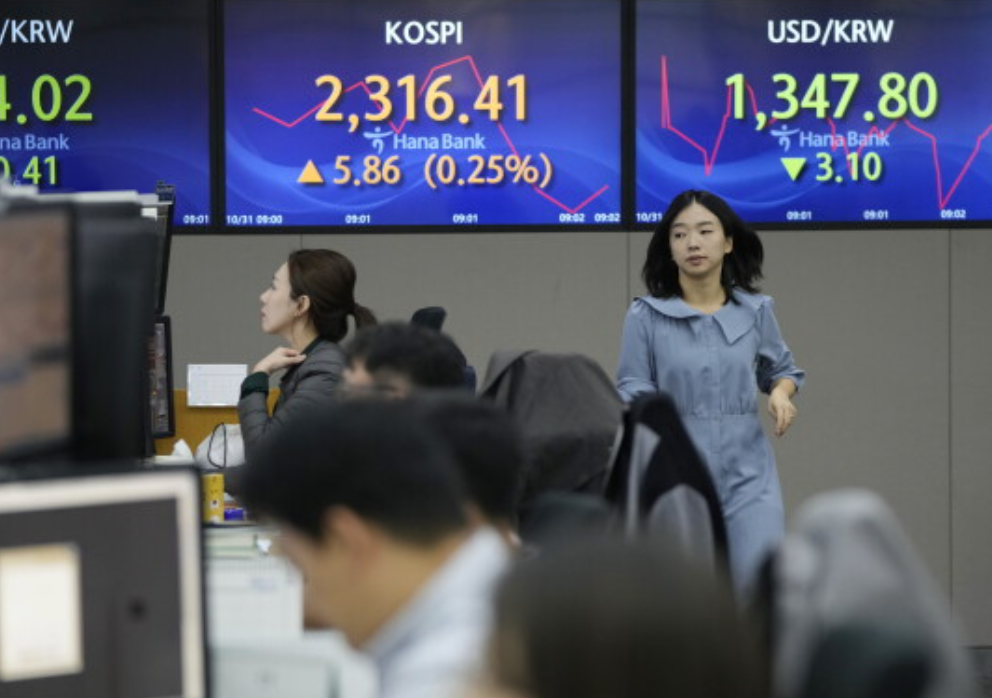
 US Jobs Data Sparks Mixed Asian Market Trading
Asian markets traded cautiously on 3 July 2026 after fresh US jobs data suggested that the American labour market is beginning to lose momentum. The latest figures prompted investors to trim expectations that the Federal Reserve will raise interest rates again this year, sending Treasury yields lower while producing a mixed performance across regional equity markets.
Although the employment report did not point to an immediate economic slowdown, it reinforced the growing view that the US economy is entering a more moderate phase after several months of resilient job creation. As a result, markets quickly adjusted expectations for future monetary policy, making US jobs data the dominant driver of trading sentiment across Asia.
US Jobs Data Changes the Interest Rate Narrative
The latest US jobs data showed that job creation slowed in June compared with the strong gains recorded in previous months. While employment growth remained positive, the pace was softer than many economists had expected.
For investors, that distinction matters.
A cooling labour market typically reduces inflationary pressure by easing wage growth and consumer demand. That gives the Federal Reserve greater flexibility to keep interest rates unchanged rather than tightening policy further.
Interestingly, financial markets often react less to the headline payroll number than to what it signals about future central bank decisions. In this case, US jobs data strengthened expectations that policymakers may remain patient during upcoming meetings instead of considering another rate increase.
Futures markets reflected this shift almost immediately as traders reduced the probability of further monetary tightening.
Treasury Yields Fall as Investors Reprice Risk
Following the release of the US jobs data, US Treasury yields declined across multiple maturities.
Lower bond yields generally indicate that investors expect interest rates to stay lower for longer. They also reduce borrowing costs throughout the economy while improving valuations for sectors that depend heavily on future earnings, particularly technology companies.
The US dollar also softened modestly against several major currencies as expectations for additional Federal Reserve tightening faded.
This combination of lower yields and a weaker dollar created a complicated backdrop for Asian markets. While some export-oriented companies benefited from currency movements, broader investor sentiment remained cautious ahead of additional economic releases.
Asian Markets Deliver a Mixed Performance
Asian equity markets failed to move in a single direction despite the supportive implications of the US jobs data.
Japanese equities experienced modest fluctuations as investors balanced lower US yields against movements in the yen. Chinese and Hong Kong markets also traded unevenly, with domestic economic concerns continuing to influence investor behaviour alongside global developments.
Elsewhere, Australian equities found some support from the improved outlook for global borrowing costs, although gains remained limited.
The uneven performance highlighted an important reality. While US jobs data plays a major role in setting global market direction, regional factors continue to influence individual markets.
According to Investing, corporate earnings, domestic policy measures, geopolitical developments and local economic indicators all remained significant drivers alongside the US employment report.
Why Federal Reserve Expectations Matter Globally
The Federal Reserve remains the world's most influential central bank because US interest rates affect global capital flows, currency markets and investor risk appetite.
When US jobs data points to slower economic activity, markets typically reassess how aggressively the Fed may tighten monetary policy.
If interest rates remain steady, several market reactions often follow:
- Lower Treasury yields
- Improved liquidity conditions
- Reduced pressure on emerging market currencies
- Stronger demand for growth-oriented equities
- Greater investor willingness to take on risk
These dynamics explain why a single employment report in the United States can influence stock markets throughout Asia within hours.
Investors Continue Watching Every Economic Release
Despite the softer US jobs data, analysts remain cautious about declaring that the Federal Reserve has completed its tightening cycle.
Inflation remains above the Fed's long-term target, and policymakers have repeatedly emphasised that future decisions will depend on incoming economic data rather than following a predetermined path.
That means investors are likely to monitor every major economic release over the coming weeks.
- Upcoming inflation reports
- Retail sales figures
- Consumer confidence surveys
- Manufacturing data
One employment report can change market pricing overnight, but sustained policy changes require consistent evidence across multiple areas of the economy.
Markets May Experience Higher Volatility Ahead
The latest US jobs data has shifted market expectations, but uncertainty remains elevated.
Investors now face two competing narratives. On one hand, slower employment growth reduces pressure for additional interest rate increases. On the other, economic momentum must remain strong enough to avoid concerns about a sharper slowdown.
That balance will likely keep financial markets sensitive to every new data release.
For equity investors, lower interest rate expectations generally provide support for valuations, especially in technology and growth sectors. Bond investors may welcome declining yields, while currency markets could remain volatile as traders reassess the future path of US monetary policy.
As markets digest the latest employment figures, attention will increasingly turn to whether this softer trend continues or proves to be only a temporary pause after several months of exceptionally strong labour market performance.
The coming weeks should provide greater clarity. Until then, US jobs data is expected to remain one of the most closely watched indicators shaping global investment decisions, Federal Reserve expectations and overall market sentiment.
