

ការវិភាគទីផ្សារ
ECB Signals More Interest Rate Hikes May Be Needed
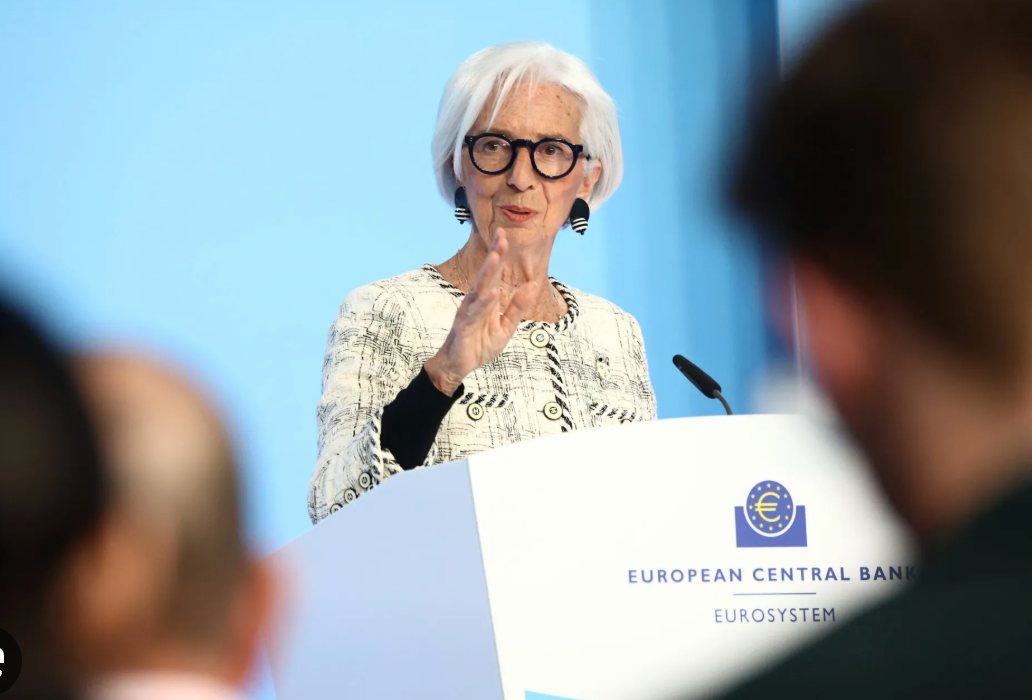 ECB Interest Rates Outlook Returns to the Spotlight
The ECB interest rates outlook returned to prominence on 25 June after European Central Bank Executive Board member Isabel Schnabel stated that policymakers may need to raise borrowing costs further to keep inflation under control. Her remarks suggest that despite significant progress in bringing inflation down from its previous highs, the ECB is not yet ready to declare victory.
Persistent price pressures and a resilient labour market continue to pose challenges for policymakers, reinforcing expectations that monetary policy may need to remain restrictive for longer. The comments quickly attracted attention across financial markets, with investors now reassessing the likelihood of additional ECB interest rates increases and what that could mean for economic growth, the euro and European assets.
The ECB Maintains a Cautious Approach on Interest Rates
Speaking on Thursday, Isabel Schnabel emphasised that inflation risks have not disappeared entirely. While headline inflation has eased considerably compared with the peaks seen in recent years, underlying price pressures remain elevated across parts of the eurozone economy. Service-sector inflation and wage growth continue to receive close attention from policymakers.
As a result, the discussion surrounding ECB interest rates remains centred on ensuring inflation returns sustainably to the central bank's 2% target. Schnabel suggested that current market expectations may underestimate how restrictive policy may ultimately need to become. That message signals that the ECB remains prepared to tighten monetary policy further if inflation proves more persistent than expected.
Why ECB Interest Rates Remain So Important
Central banks use interest rates as one of their primary tools to manage inflation. Higher borrowing costs generally reduce consumer spending and business investment, helping slow demand across the economy. Over time, this moderation can ease inflationary pressures.
However, raising ECB interest rates also creates trade-offs. Businesses face higher financing costs, households encounter more expensive mortgages and loans, while economic growth can slow if borrowing becomes too restrictive. Finding the appropriate balance remains one of the ECB's greatest policy challenges. Too little tightening could allow inflation to remain above target for longer, while too much tightening could weaken economic activity more than necessary.
Inflation Progress and Remaining Challenges
The eurozone has made substantial progress in reducing inflation over the past two years. Energy prices have stabilised, supply chain disruptions have eased and previous policy tightening has gradually filtered through the broader economy. Nevertheless, some inflation indicators continue showing resilience.
Service industries remain recording stronger price increases than goods-producing sectors, and wage negotiations across several European economies have supported household incomes, potentially sustaining consumer demand. Inflation does not always decline evenly across every part of the economy, which explains why ECB interest rates decisions remain carefully considered even as headline inflation trends lower.
How Financial Markets React to ECB Interest Rates Decisions
Financial markets closely monitor every statement made by senior ECB officials because interest rate expectations influence a wide range of asset prices. Following Schnabel's remarks, investors reassessed expectations surrounding future ECB interest rates decisions. Government bond yields may remain sensitive to incoming inflation data, while currency traders continue evaluating the outlook for the euro against major global currencies.
According to Reuters, a more hawkish central bank typically supports a currency by offering relatively higher returns through interest rates. However, stronger interest rates can also reduce corporate earnings expectations if economic growth slows. Markets therefore continue balancing these competing factors.
Impact on Businesses and Consumers
Higher ECB interest rates affect far more than financial markets. Businesses borrowing to finance expansion projects may face increased costs, influencing hiring decisions and future investment. Consumers could experience higher mortgage repayments, more expensive personal loans and tighter credit conditions.
On the other hand, savers may benefit from improved returns on deposits as banks gradually adjust interest rates. The broader objective remains restoring price stability while preserving sustainable economic growth. Achieving both simultaneously has become increasingly difficult as global economic conditions remain uncertain.
What Investors Will Watch Next Regarding ECB Interest Rates
Attention will now shift towards upcoming inflation reports, employment figures and broader economic indicators across the eurozone. These data releases will help determine whether additional ECB interest rates increases become necessary or whether policymakers can eventually pause their tightening cycle.
Investors will also monitor comments from other ECB Governing Council members for signs of broader agreement regarding future policy. Any significant changes in inflation expectations could quickly alter market pricing for future rate decisions. Meanwhile, developments in global energy markets, international trade and geopolitical risks may continue influencing Europe's inflation outlook.
The Road Ahead: ECB Interest Rates Policy Through 2026
The latest comments from Isabel Schnabel reinforce a message that financial markets have heard repeatedly in recent months: the ECB remains committed to ensuring inflation returns sustainably to its target, even if that requires maintaining restrictive monetary policy for longer.
Although inflation has moderated significantly, policymakers continue identifying risks that justify a cautious approach. For investors, businesses and consumers, ECB interest rates will remain one of the most closely watched drivers of European financial markets throughout the second half of 2026. Future policy decisions will ultimately depend on incoming economic data, but the latest guidance suggests that further tightening cannot yet be ruled out.
DISCLAIMER: Derivative products carry high risk and may result in the loss of your entire invested capital. Before trading, ensure you fully understand the legal framework, product characteristics, and your broker’s trading rules. Always trade responsibly and with caution.
RISK WARNING: Margin trading with leverage is not suitable for all investors due to its high risk. THERE ARE NO GUARANTEED RETURNS in trading. Beware of any claims promising assured profits. Only use capital you can afford to lose. Before engaging in any transaction, ensure you understand the risks and assess both your experience and risk tolerance.
