

ការវិភាគទីផ្សារ
UK Car Production Rebounds as US Demand Boosts Vehicle Exports
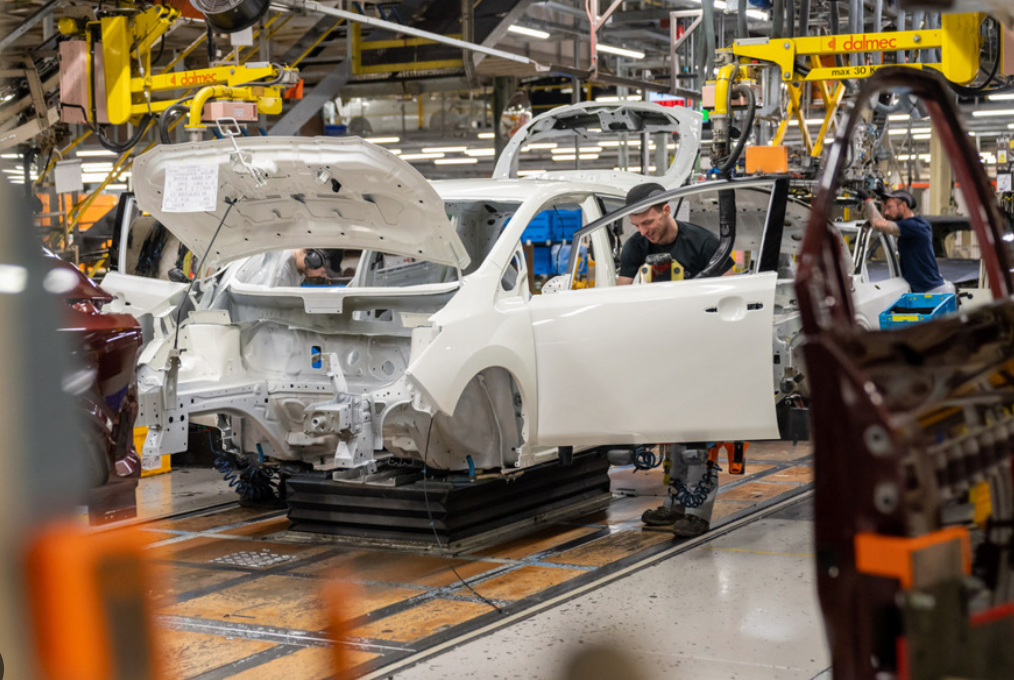 UK Car Production Rises on Strong US Exports
The UK car production sector demonstrated signs of recovery in May after recording its first monthly increase of 2026. According to data released by the Society of Motor Manufacturers and Traders (SMMT), stronger exports to the United States helped lift vehicle output, providing welcome relief for an industry facing persistent headwinds. The improvement in UK car production comes after several months of decline caused by weaker domestic demand, changing export conditions, factory adjustments, and global economic uncertainty.
While one month does not establish a long-term trend, the latest figures suggest that overseas demand, particularly from the United States, is beginning to support Britain's automotive sector significantly. For investors and manufacturers alike, the recovery in UK car production offers an encouraging signal at a time when global vehicle markets continue adapting to shifting consumer preferences and supply chain adjustments.
Export Recovery Drives UK Car Production Increase
The latest SMMT figures showed that UK car production increased in May compared with the same month last year, marking the industry's first year-on-year improvement this year. Exports played the largest role in this recovery. Vehicle shipments to the United States recorded notable growth, offsetting weaker demand in several other international markets.
According to Reuters, as one of the UK's largest automotive export destinations, stronger US demand provided an important boost for British manufacturers. Export performance remained considerably stronger than domestic sales, which reflects the continued importance of overseas markets for UK car production. Many UK manufacturing plants are highly integrated into global supply chains, with a significant proportion of vehicles produced for export rather than local buyers.
The Critical Importance of US Markets to UK Car Production
The United States remains one of the most valuable export markets for British-built vehicles. Luxury brands, premium sports cars, and specialised models produced in the UK continue attracting strong demand among American consumers. Higher-value exports often generate greater revenue despite representing a smaller share of total UK car production output.
This explains why changes in US demand can have a meaningful impact on overall UK car production performance. Several manufacturers have continued expanding shipments across the Atlantic despite ongoing uncertainty surrounding international trade policies and economic conditions. Industry analysts suggest that if demand remains resilient, exports could continue providing stability while domestic market conditions gradually improve for UK car production sectors.
Manufacturing Resilience Amid Broader Economic Challenges
Britain's manufacturing sector has experienced a challenging period over the past year. Higher production costs, elevated borrowing rates, and weaker consumer confidence have affected output across several industries. However, UK car production has demonstrated notable resilience. Automotive manufacturers have continued investing heavily in electric vehicle technology while managing changing environmental regulations.
Against that backdrop, May's increase in UK car production carries added significance. It demonstrates that international demand remains capable of supporting production even when domestic conditions remain relatively subdued. Manufacturing industries often recover gradually, and export markets frequently provide the first signs of improvement before broader domestic demand strengthens for UK car production overall.
Ongoing Challenges for UK Car Production
Despite the encouraging figures, industry leaders continue highlighting several risks to sustained UK car production growth:
- Global trade remains subject to changing tariffs, supply chain disruptions, and geopolitical developments
- Manufacturers face increasing competition from international producers investing aggressively in electric vehicles
- Consumer demand continues evolving as electric vehicle adoption expands
- Financing costs, charging infrastructure, and government incentives influence purchasing decisions
These factors mean UK car production may continue experiencing fluctuations throughout the remainder of the year. The industry therefore remains cautious despite the latest positive data for UK car production figures.
Strategic Investment in Electric Vehicle Manufacturing
Alongside improving exports, British manufacturers continue preparing for the long-term transformation of the automotive industry. Significant investments are being directed toward electric vehicle production, battery technology, and modern manufacturing facilities that will support future UK car production capabilities.
Government initiatives supporting industrial investment may also strengthen competitiveness over time. However, these projects require considerable capital and often take several years before generating meaningful production gains for UK car production output. For investors, current production figures represent only one part of a much larger structural transition taking place across the automotive sector.
Market and Economic Implications of UK Car Production Growth
Financial markets often treat manufacturing data as an indicator of broader economic activity. Higher UK car production may contribute positively to manufacturing output, export performance, and industrial confidence. If UK car production continues improving over coming months, expectations surrounding UK economic growth could strengthen.
A healthier manufacturing sector can support economic resilience, although broader factors such as inflation, interest rate expectations, and labour market conditions will continue playing a larger role in determining the direction of the British pound.
Equity investors may watch automotive manufacturers and suppliers for further evidence that export demand remains sustainable for UK car production companies.
Looking Ahead: The Future of UK Car Production
The coming months will provide a clearer picture of whether May represents the beginning of a broader recovery or simply a temporary rebound for UK car production. Future production levels will depend on several factors, including:
- Consumer demand in domestic and international markets
- Export conditions and trade relationships
- Supply chain stability and resilience
- Continued investment in electric vehicle manufacturing capabilities
Industry organisations will continue monitoring government policy, international trade relationships, and technological developments that could influence UK car production competitiveness. For now, stronger exports to the United States have provided a welcome lift to UK car production, offering manufacturers a more encouraging outlook after a difficult start to the year.
Although challenges remain, the latest figures suggest that Britain's automotive industry retains important strengths in global markets. Sustained export demand, combined with continued investment in future vehicle technologies, may help support UK car production as the industry navigates an increasingly competitive international landscape.
DISCLAIMER: Derivative products carry high risk and may result in the loss of your entire invested capital. Before trading, ensure you fully understand the legal framework, product characteristics, and your broker’s trading rules. Always trade responsibly and with caution.
RISK WARNING: Margin trading with leverage is not suitable for all investors due to its high risk. THERE ARE NO GUARANTEED RETURNS in trading. Beware of any claims promising assured profits. Only use capital you can afford to lose. Before engaging in any transaction, ensure you understand the risks and assess both your experience and risk tolerance.
