

ការវិភាគទីផ្សារ
China Boosts Investment in AI and Next-Generation Industries
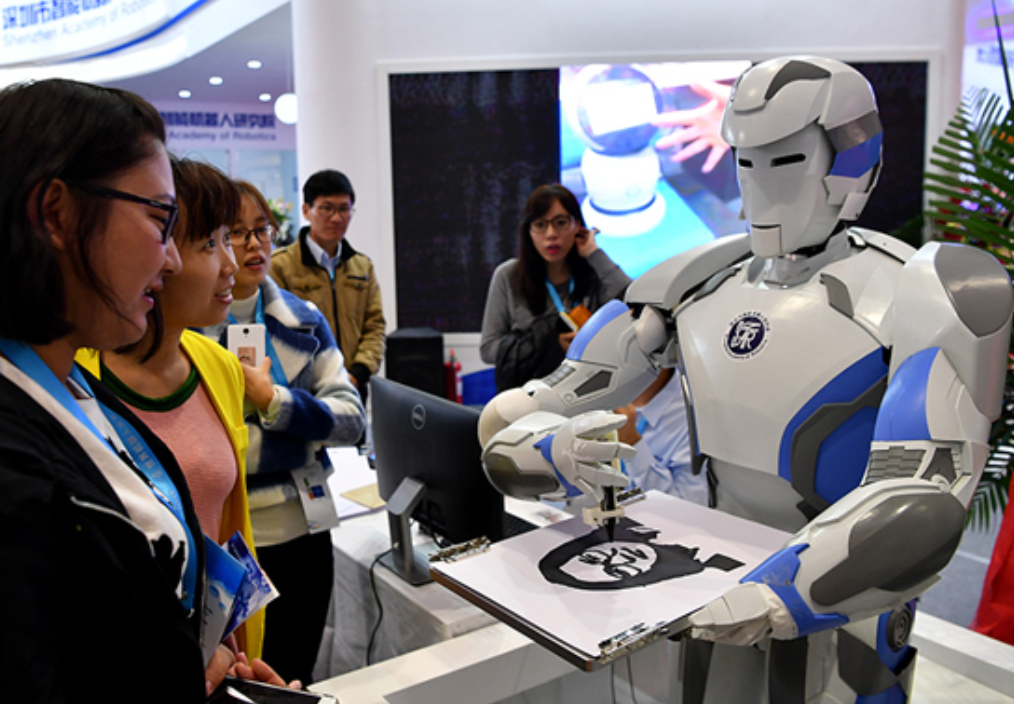 Understanding China Future Industries Strategy
China's future industries strategy is rapidly reshaping the country's investment landscape. Fresh policy support, combined with strong government backing, has triggered a wave of venture capital flowing into sectors such as artificial intelligence, robotics, quantum computing, advanced materials and biotechnology.
According to Reuters on 24 June, investors are racing to secure early positions in companies aligned with Beijing's long-term industrial ambitions. While the surge reflects growing confidence in China's technology sector, it has also raised questions about whether capital is moving faster than genuine commercial opportunities.
The latest developments have become one of the most closely watched stories in global financial markets, highlighting how government policy continues to influence investment flows and the direction of innovation.
China Future Industries Become a National Priority
China has spent years promoting high-end manufacturing and technological self-sufficiency. However, the latest policy initiatives place even greater emphasis on what officials describe as future industries, sectors expected to drive economic growth over the next decade.
The strategic focus on China future industries includes the following key sectors:
- Artificial intelligence
- Humanoid robotics
- Quantum technology
- Brain-computer interfaces
- Synthetic biology
- Advanced semiconductors
- New energy technologies
Provincial governments, state-backed investment funds and private venture capital firms are now directing significant capital towards businesses operating within these areas. Interestingly, the pace of investment has accelerated considerably over the past year. New government guidance has encouraged local authorities to establish dedicated funds aimed at supporting strategic technologies, making capital more readily available for startups and research-driven companies.
Venture Capital Activity Accelerates Across China
The China venture capital market is experiencing renewed momentum after several challenging years marked by regulatory uncertainty and slower fundraising activity. Investment firms increasingly view government-backed sectors as offering stronger long-term opportunities.
Rather than focusing primarily on internet platforms or consumer applications, many investors are shifting their attention towards deep technology and industrial innovation. This change reflects a broader transformation in China's economic priorities aligned with the broader vision for China future industries.
Artificial intelligence remains one of the largest beneficiaries. Companies developing foundation models, industrial automation software and intelligent manufacturing solutions continue attracting fresh rounds of financing. Robotics has also become a major investment theme, as demand is rising among manufacturers seeking automation to improve productivity while addressing labour shortages and increasing global competition.
Quantum computing and advanced semiconductor technologies remain attractive despite their longer commercial development timelines, demonstrating investor commitment to long-term growth in China future industries.
Government Support Shapes Investment Decisions
One of the defining characteristics of China's investment environment is the close relationship between public policy and private capital. Government guidance funds have expanded rapidly, often working alongside traditional venture capital firms to finance strategic industries.
For investors, policy direction has become almost as important as company fundamentals in evaluating opportunities within China future industries.
That relationship creates both opportunities and challenges. Businesses operating in sectors identified by national development plans often gain easier access to funding, research partnerships and industrial support. At the same time, companies outside these priority areas may find fundraising considerably more difficult. As a result, investment decisions increasingly reflect policy alignment alongside commercial potential.
Assessing Risk in China Future Industries
Despite the optimism surrounding China future industries, some analysts have expressed caution about valuation levels and sustainability. Rapid inflows of venture capital can create excessive valuations, particularly when competition among investors intensifies.
History offers several examples where enthusiasm outpaced business fundamentals. Technology sectors around the world have experienced similar investment cycles, where abundant funding initially accelerated innovation but eventually resulted in market corrections as weaker businesses struggled to deliver sustainable growth.
Investors willing to accept longer timelines may be rewarded, but those expecting quick returns could face disappointment if commercial adoption progresses more slowly than anticipated.
Global Investors Monitor China Future Industries
China's investment strategy carries implications well beyond its domestic market. International technology companies compete directly with Chinese firms in several strategic industries, particularly artificial intelligence, electric vehicles, robotics and semiconductor development.
As Chinese startups receive increased financial backing, global competition is expected to intensify. Foreign investors are also monitoring how China's technology policies influence supply chains, intellectual property development and future export capabilities. Meanwhile, multinational corporations may face stronger competition as Chinese firms improve their technological capabilities across advanced manufacturing sectors.
The investment surge in China future industries therefore extends beyond venture capital. It also shapes broader expectations for innovation, productivity and global industrial leadership.
Key Metrics to Watch for Future Growth
Several factors will determine whether the current investment wave produces lasting economic benefits. One important measure will be the commercial success of funded companies operating within China future industries. Strong research alone may not be sufficient—businesses must eventually demonstrate sustainable business models, scalable products and competitive advantages.
- Regulatory Stability: Clear policy guidance could encourage continued investment, while unexpected regulatory changes may affect investor confidence.
- Economic Growth: A supportive macroeconomic environment generally improves demand for advanced technologies and encourages additional private investment.
- Geopolitical Developments: Global events will continue influencing China's technology ambitions, particularly regarding semiconductor access, artificial intelligence development and international trade.
A Defining Shift for China's Innovation Economy
China's emphasis on China future industries represents more than another government policy initiative. It signals a strategic effort to reshape the country's economic model around advanced technology and innovation.
The rapid rise in China venture capital reflects growing confidence that sectors such as artificial intelligence, robotics and quantum technology will become major drivers of future economic growth. At the same time, investors remain aware that periods of strong enthusiasm often bring higher expectations and increased risks.
Whether today's investment boom ultimately produces global technology leaders or exposes areas of excessive optimism will depend on execution, commercial success and sustained policy support for China future industries. For financial markets, however, one point is already becoming clear: China's future industries are likely to remain at the centre of global investment discussions for years to come.
DISCLAIMER: Derivative products carry high risk and may result in the loss of your entire invested capital. Before trading, ensure you fully understand the legal framework, product characteristics, and your broker’s trading rules. Always trade responsibly and with caution.
RISK WARNING: Margin trading with leverage is not suitable for all investors due to its high risk. THERE ARE NO GUARANTEED RETURNS in trading. Beware of any claims promising assured profits. Only use capital you can afford to lose. Before engaging in any transaction, ensure you understand the risks and assess both your experience and risk tolerance.
