

ការវិភាគទីផ្សារ
Oil Prices Slide as Strait of Hormuz Shipping Concerns Ease
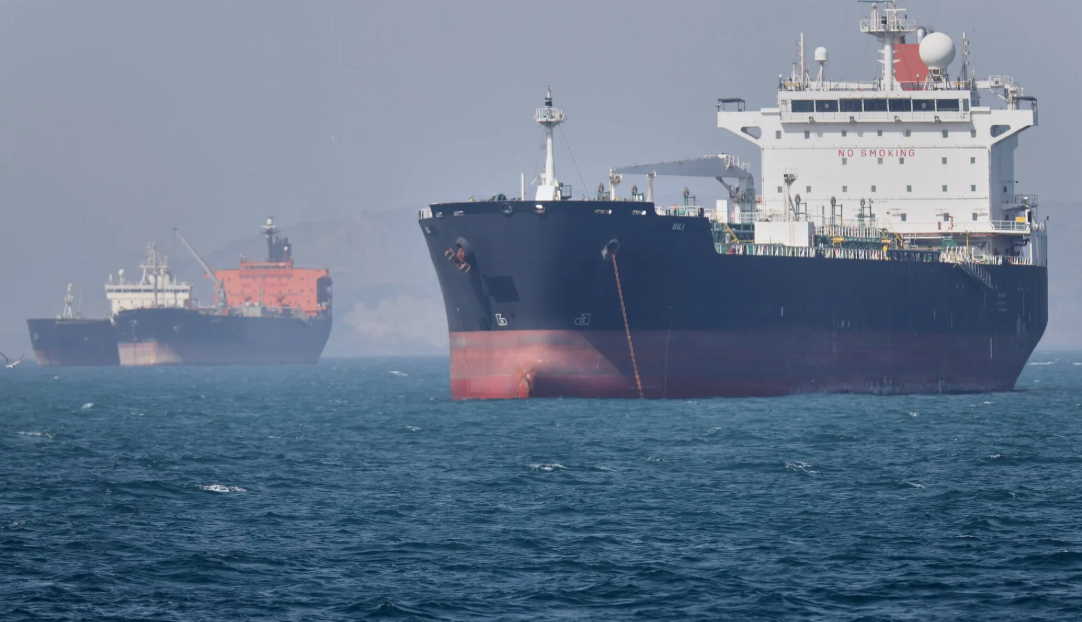 Oil Prices Fall as Strait of Hormuz Remains Stable
Global oil markets extended their decline on 23 June 2026 as investors shifted attention toward the stability of shipping activity through the Strait of Hormuz following recent diplomatic developments in the Middle East. According to CNA, crude oil prices moved lower as traders reassessed the likelihood of a major disruption to global energy supplies. The easing of immediate concerns surrounding the Strait of Hormuz encouraged investors to reduce risk premiums that had previously been built into oil prices.
The move highlights how sensitive energy markets remain to developments in one of the world's most strategically important maritime corridors. After several weeks of heightened volatility driven by geopolitical tensions, market participants began reassessing their positions with renewed confidence in supply continuity.
Why the Strait of Hormuz Matters to Global Oil Markets
The Strait of Hormuz occupies a unique position within the global energy system. Located between the Persian Gulf and the Gulf of Oman, the narrow waterway serves as a critical transit route for a substantial share of the world's seaborne crude oil exports. Major producers including Saudi Arabia, Iraq, Kuwait, the United Arab Emirates, and Iran rely on the Strait of Hormuz to transport energy supplies to international markets.
Any threat to shipping activity in the region can have immediate consequences for oil prices. Investors understand this relationship well. Whenever geopolitical tensions escalate near the Strait of Hormuz, concerns about supply disruptions tend to trigger sharp movements across commodity markets.
A relatively narrow shipping corridor continues to influence energy prices for consumers, businesses, airlines, manufacturers, and governments around the world.
Oil Prices Retreat as Supply Fears Fade
Both Brent crude and West Texas Intermediate extended losses after reports indicated that shipping operations through the Strait of Hormuz remained largely intact despite recent regional tensions. Market participants had previously feared that military escalation could significantly disrupt tanker traffic, reducing global oil availability and pushing prices sharply higher.
Instead, traders are increasingly focusing on the practical reality of continued oil flows. Interestingly, commodity markets often react not only to actual disruptions but also to expectations. Once traders become more confident that exports will continue moving through the Strait of Hormuz, the additional risk premium embedded in crude oil contracts tends to diminish.
As concerns ease, investors are unwinding positions that were established during the height of geopolitical uncertainty. Recent peace discussions have fundamentally changed market narratives, at least for now.
Diplomatic Progress Changes Market Sentiment
The latest decline in oil prices reflects growing optimism surrounding diplomatic efforts aimed at reducing regional tensions. While uncertainty remains, the tone of recent discussions has encouraged market participants to believe that the risk of a prolonged disruption to the Strait of Hormuz may be lower than previously feared.
Markets often move ahead of confirmed outcomes. In many cases, expectations alone can drive significant price adjustments. As confidence improves regarding the security of shipping routes through the Strait of Hormuz, traders naturally begin reassessing their forecasts for energy supply and demand.
The result has been a broad decline in crude oil benchmarks. However, few analysts are declaring the situation fully resolved. The region remains geopolitically sensitive, and investors continue monitoring developments closely.
Energy Traders Remain Cautious
Despite the recent pullback, energy traders are far from complacent. The Strait of Hormuz remains one of the most important chokepoints in global trade. Even a temporary interruption could affect millions of barrels of oil exports per day.
Although recent diplomatic developments have eased immediate concerns, risk has not disappeared entirely. Any unexpected escalation could quickly reverse the latest decline in oil prices. That possibility continues to support a degree of caution across commodity markets.
Impact on Inflation and Global Economies
Lower oil prices can have significant implications beyond the energy sector. Crude oil remains a major input cost across transportation, manufacturing, logistics, and industrial production. When prices decline, inflationary pressures often moderate, providing relief for both consumers and businesses.
The recent retreat linked to improving confidence around the Strait of Hormuz may therefore be welcomed by policymakers in several major economies. Central banks continue balancing inflation concerns against slowing economic growth in some regions.
Lower energy prices can help ease that challenge. Financial markets are already assessing how sustained stability in the Strait of Hormuz could influence inflation expectations, monetary policy decisions, and broader economic forecasts during the second half of 2026.
What Investors Are Watching Next
The immediate focus remains on shipping activity and diplomatic developments. Key monitoring points include:
- Tanker traffic volumes through the Strait of Hormuz
- Export volumes from Persian Gulf producers
- Statements from regional governments regarding security
- Supply conditions in the Strait of Hormuz shipping corridor
At the same time, broader market fundamentals remain important:
- Global demand growth patterns
- OPEC+ production policies affecting the Strait of Hormuz region
- Inventory levels worldwide
- Economic conditions in major consuming nations
For now, however, developments surrounding the Strait of Hormuz remain the dominant driver of market sentiment. As long as energy supplies continue moving through the waterway without major interruptions, traders may find it increasingly difficult to justify the elevated risk premiums that supported oil prices during recent tensions.
Market Perspective and Outlook
The latest decline in oil prices demonstrates how quickly geopolitical risk premiums can fade when supply concerns begin to ease. Continued shipping activity through the Strait of Hormuz has reassured investors that global energy flows remain largely intact despite recent uncertainty. According to CNA analysis, this shift represents a fundamental change in market psychology.
While risks remain present, markets are currently placing greater emphasis on actual supply conditions rather than worst-case scenarios. As a result, crude oil prices have moved lower, reflecting improved confidence that one of the world's most important energy corridors remains operational.
Whether this trend continues will depend heavily on future developments in the region. For now, the Strait of Hormuz remains at the centre of global energy market attention, with investors closely monitoring any signs of disruption to this critical maritime passage.
DISCLAIMER: Derivative products carry high risk and may result in the loss of your entire invested capital. Before trading, ensure you fully understand the legal framework, product characteristics, and your broker’s trading rules. Always trade responsibly and with caution.
RISK WARNING: Margin trading with leverage is not suitable for all investors due to its high risk. THERE ARE NO GUARANTEED RETURNS in trading. Beware of any claims promising assured profits. Only use capital you can afford to lose. Before engaging in any transaction, ensure you understand the risks and assess both your experience and risk tolerance.
