

ការវិភាគទីផ្សារ
Airline Ticket Prices May Stay High Despite Lower Fuel Costs
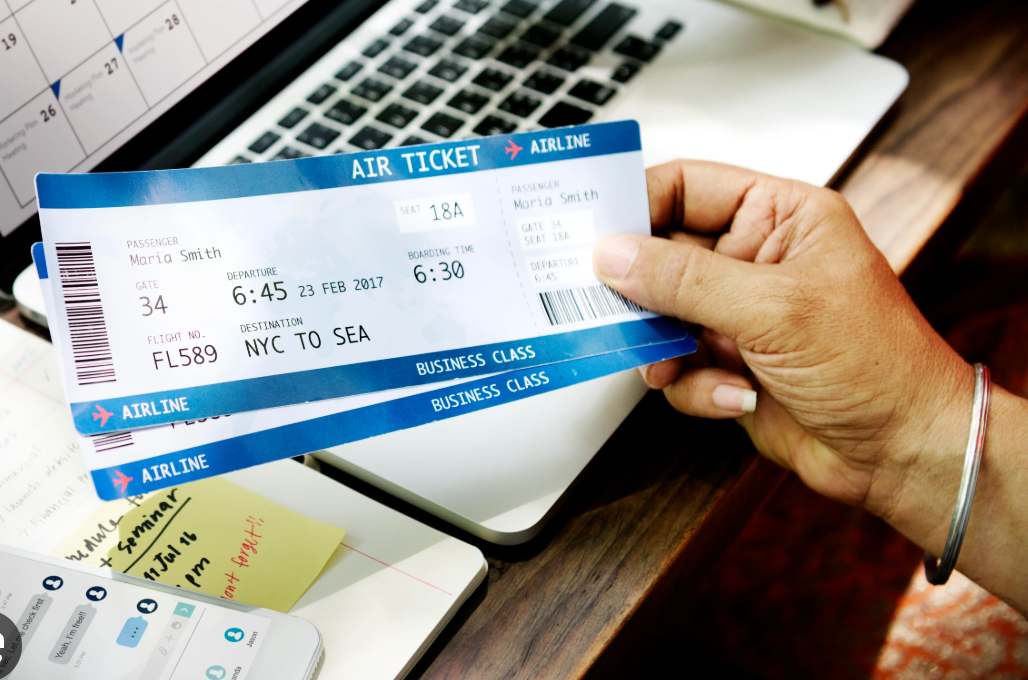 Airline Ticket Prices May Stay High Despite Lower Oil
Meta Description: Airline ticket prices could remain high even as fuel costs decline following the Iran deal, helping airlines strengthen profitability.
The latest developments in global energy markets have raised fresh questions about the future direction of airline ticket prices. While oil prices have eased following diplomatic progress involving Iran, industry analysts suggest that travellers should not expect immediate relief at the checkout counter.
According to Reuters on 22 June 2026, airlines may choose to retain current fare levels even as lower fuel costs improve operating conditions. The report highlights how carriers are increasingly focused on strengthening profitability after years of volatility, disruptions, and rising operational expenses.
For consumers hoping that cheaper oil would quickly translate into lower fares, the outlook appears more complicated. The relationship between fuel prices and airline ticket prices is rarely straightforward.
Why Fuel Costs Matter for Airline Ticket Prices
Fuel remains one of the largest expenses for commercial airlines worldwide. In many cases, fuel accounts for between 20% and 30% of total operating costs.
When oil prices rise sharply, airlines often face pressure to increase airline ticket prices or introduce fuel surcharges to protect profit margins. Conversely, falling oil prices can reduce operating expenses and improve financial performance.
Recent geopolitical developments involving Iran have helped ease concerns about potential disruptions to global energy supplies. As a result, crude oil prices have softened from recent highs, providing some relief for carriers.
Interestingly, lower fuel costs do not automatically result in lower airline ticket prices.
Airlines Price Based on Market Conditions
Airlines frequently make pricing decisions based on broader market conditions rather than fuel costs alone. Demand trends, competition, capacity constraints, labour expenses, and profitability targets all play important roles.
These factors create a complex environment where airline ticket prices reflect multiple economic considerations beyond simple fuel expense calculations.
Strong Travel Demand Gives Airlines Pricing Power
One of the key reasons airline ticket prices may remain elevated is continued strength in travel demand.
Global passenger traffic has recovered significantly in recent years. Leisure travel remains robust across many regions, while business travel has gradually improved as international economic activity stabilises.
When demand remains strong, airlines have less incentive to reduce airline ticket prices, even when operating costs decline.
According to industry observers cited by Reuters, many carriers are currently benefiting from healthy booking volumes and strong passenger load factors. In simple terms, flights are filling up.
That creates favourable conditions for airlines seeking to maximise revenue through sustained pricing discipline.
If consumers continue purchasing tickets at current prices, airlines may choose to retain existing fare structures and allow lower fuel costs to support higher profit margins instead of passing savings to passengers through reduced airline ticket prices.
Airlines Continue to Face Other Cost Pressures
Fuel costs are only one component of airline operations.
Although lower oil prices may ease some financial pressure, airlines continue to face rising expenses in several other areas:
- Labour costs have increased across the industry as airlines compete for pilots, engineers, cabin crew, and technical staff
- Maintenance expenses have risen significantly due to supply chain challenges affecting aircraft parts availability
- Airport charges and regulatory compliance costs remain significant operational expenses
As a result, airlines argue that current airline ticket prices reflect a broader cost structure rather than fuel expenses alone. This helps explain why fare reductions often occur more slowly than fuel price declines.
Consumers may notice fuel surcharges disappear during some periods, but overall airline ticket prices frequently remain relatively stable.
What This Means for Travellers
For travellers planning future trips, the message is relatively clear: lower oil prices do not necessarily guarantee cheaper flights.
The outlook for airline ticket prices will depend heavily on demand conditions and airline capacity decisions. If passenger demand remains strong, carriers are likely to maintain pricing discipline.
Consumers may still find savings through promotional campaigns, advance bookings, and flexible travel dates. However, widespread fare reductions across the industry appear unlikely in the near term, suggesting sustained elevation in airline ticket prices.
Investors Welcome Improved Profitability
While travellers may be disappointed by the prospect of persistent airline ticket prices, investors are viewing the situation differently.
Lower fuel expenses combined with stable ticket prices can significantly improve airline profitability. Revenue remains largely intact while costs decline, creating a more favourable earnings environment.
This is particularly important after several years of operational challenges that affected many airlines worldwide. Improved profitability strengthens balance sheets, supports investment in new aircraft, and provides greater financial flexibility.
As a result, aviation-related stocks may benefit if investors conclude that lower energy prices will support stronger earnings growth without corresponding reductions in airline ticket prices.
The Balance Between Competition and Profit
The future direction of airline ticket prices will ultimately depend on competitive dynamics within the industry.
In highly competitive markets, some airlines may choose to lower fares to gain market share. In other regions, limited capacity and strong demand could support elevated pricing for longer periods.
For now, airlines appear focused on maintaining financial discipline. The relief provided by lower fuel costs may strengthen earnings rather than reduce fares.
That does not mean airline ticket prices will never decline. Market conditions can change quickly, particularly if economic growth slows or travel demand weakens.
At present, however, the combination of robust demand, rising operational expenses, and a renewed focus on profitability suggests that travellers should not expect immediate reductions in airline ticket prices, even as fuel markets become more favourable for the aviation industry.
DISCLAIMER: Derivative products carry high risk and may result in the loss of your entire invested capital. Before trading, ensure you fully understand the legal framework, product characteristics, and your broker’s trading rules. Always trade responsibly and with caution.
RISK WARNING: Margin trading with leverage is not suitable for all investors due to its high risk. THERE ARE NO GUARANTEED RETURNS in trading. Beware of any claims promising assured profits. Only use capital you can afford to lose. Before engaging in any transaction, ensure you understand the risks and assess both your experience and risk tolerance.
