

ការវិភាគទីផ្សារ
Oil and Gas Shipments Resume Through Strait of Hormuz Following US-Iran Agreement
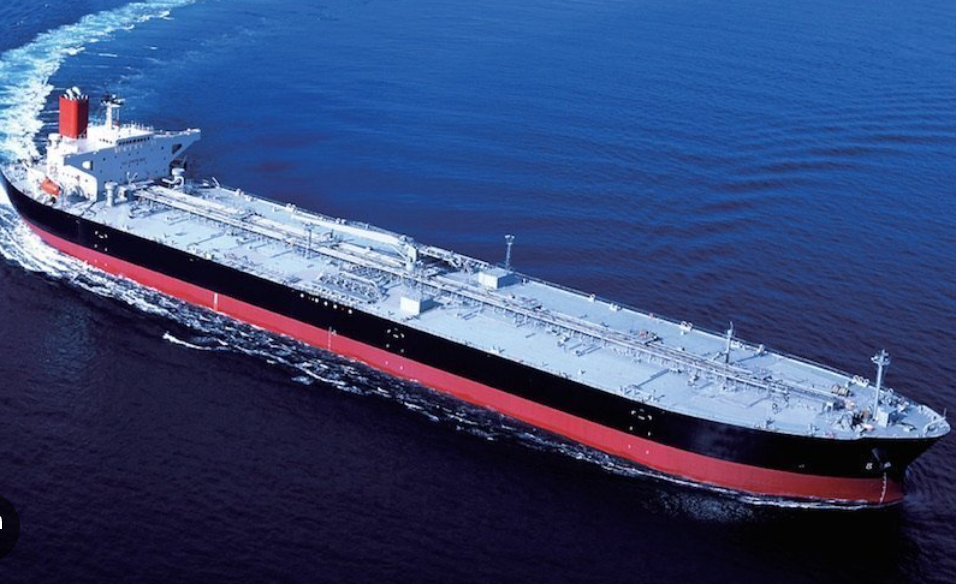 Strait of Hormuz Reopening Supports Energy Trade
Global energy markets received a significant boost on 18 June 2026 as reports confirmed that oil and gas vessels had resumed transit through the Strait of Hormuz following the recent agreement between the United States and Iran. According to CNBC, tanker activity has increased as shipping operators regain confidence in the region after weeks of geopolitical uncertainty.
The development marks a potentially important turning point for global commodity markets after concerns surrounding the Strait of Hormuz disrupted investor sentiment. Energy traders and shipping companies had been closely monitoring vessel movements amid fears that tensions could interfere with global oil and liquefied natural gas supplies.
Why the Strait of Hormuz Matters
The Strait of Hormuz serves as one of the world's most important maritime corridors for energy transportation. A substantial share of global crude oil exports and LNG shipments passes through the Strait of Hormuz each day, connecting Gulf producers with major importing nations across Asia, Europe, and North America.
When uncertainty emerges around the Strait of Hormuz, oil markets typically respond quickly. Traders often increase risk premiums to account for potential supply disruptions, resulting in higher energy prices and increased volatility.
The return of commercial traffic through the Strait of Hormuz has therefore been interpreted as a positive signal for global energy security. Investors are beginning to reassess supply risks that previously influenced market sentiment.
According to CNBC, market participants continue to monitor activity in the Strait of Hormuz closely because disruptions in the waterway can have immediate consequences for global energy prices.
Energy Markets Respond to Improved Shipping Conditions
Oil traders have been closely tracking developments involving the Strait of Hormuz because shipping activity directly affects global supply expectations. When uncertainty surrounds the Strait of Hormuz, crude oil prices frequently move higher as traders prepare for potential shortages.
The return of oil and LNG vessels suggests that operators are becoming more comfortable navigating the Strait of Hormuz following the US-Iran agreement. This development has helped ease some concerns regarding energy availability during the second half of 2026.
Several major LNG exporters depend on routes linked to the Strait of Hormuz to supply customers throughout Asia. As shipping activity increases, analysts expect traders to focus more heavily on actual supply-demand fundamentals rather than geopolitical fears.
- More vessels are moving through the Strait of Hormuz.
- Supply disruption concerns have eased.
- Shipping confidence has improved.
- Oil and LNG trade flows are becoming more stable.
Impact on Inflation and Economic Growth
The significance of the Strait of Hormuz extends well beyond commodity markets. Energy prices remain a key component of inflation across many economies. When concerns surrounding the Strait of Hormuz drive oil prices higher, transportation and production costs often increase as well.
Central banks monitor energy prices closely when assessing inflation trends and monetary policy decisions. A more stable environment around the Strait of Hormuz could help reduce some of the inflationary pressures that emerged during recent geopolitical tensions.
The influence of the Strait of Hormuz demonstrates how interconnected global markets have become. A narrow waterway can affect fuel costs, supply chains, consumer spending, and economic growth across multiple continents.
- Stable energy flows may reduce inflation pressure.
- Lower volatility can support economic confidence.
- Businesses gain greater certainty when planning costs.
- Consumers may benefit from more stable fuel prices.
Investor Sentiment Improves Across Asset Classes
Financial markets generally welcomed news surrounding the Strait of Hormuz. Equity investors often view easing geopolitical tensions as supportive for risk assets because lower energy volatility improves business visibility.
Industries heavily dependent on fuel costs, including transportation, manufacturing, and logistics, may benefit if stability around the Strait of Hormuz continues. Meanwhile, safe-haven assets such as gold experienced less urgency from defensive investors.
As concerns regarding disruptions in the Strait of Hormuz diminish, some investors may rotate capital toward growth-oriented sectors that were previously pressured by geopolitical uncertainty.
What Markets Are Watching Next
The key question facing market participants is whether the improved conditions around the Strait of Hormuz represent the beginning of a lasting period of stability or merely a temporary improvement.
Shipping companies, commodity traders, and energy producers will likely remain cautious until confidence in regional security becomes more firmly established. Nevertheless, the successful movement of oil and LNG cargoes through the Strait of Hormuz provides tangible evidence that energy trade is gradually normalizing.
According to CNBC, investors continue monitoring vessel traffic, diplomatic developments, and regional security indicators to determine whether current conditions in the Strait of Hormuz can be sustained over the longer term.
Energy Flows Return to the Spotlight
The renewed movement of oil and gas shipments through the Strait of Hormuz following the US-Iran agreement represents a meaningful step toward restoring confidence in global energy markets.
The return of commercial traffic through the Strait of Hormuz has eased immediate concerns surrounding supply disruptions and energy security. Financial markets have responded positively, reflecting optimism that energy trade can continue with fewer obstacles.
Investors remain aware that geopolitical developments can evolve rapidly. Even so, the successful resumption of shipping through the Strait of Hormuz offers a welcome sign that global energy supply chains are becoming more resilient after a period of significant uncertainty.
DISCLAIMER: Derivative products carry high risk and may result in the loss of your entire invested capital. Before trading, ensure you fully understand the legal framework, product characteristics, and your broker’s trading rules. Always trade responsibly and with caution.
RISK WARNING: Margin trading with leverage is not suitable for all investors due to its high risk. THERE ARE NO GUARANTEED RETURNS in trading. Beware of any claims promising assured profits. Only use capital you can afford to lose. Before engaging in any transaction, ensure you understand the risks and assess both your experience and risk tolerance.
