

ការវិភាគទីផ្សារ
US-Iran Ceasefire Agreement Eases Tensions, But Trump Keeps Military Option Open
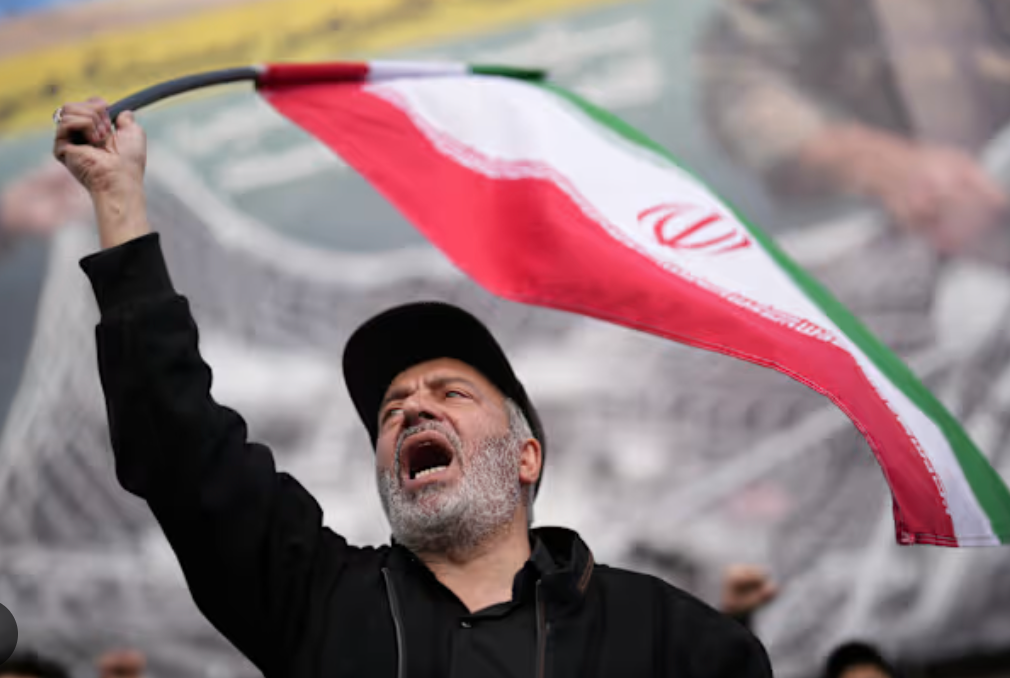
Financial markets received a measure of relief on 18 June 2026 after the US-Iran ceasefire agreement was formally signed by the presidents of both countries, reducing immediate fears of a broader conflict in the Middle East. The agreement was welcomed by several major economies, including the United Kingdom, France, Germany, and Italy, which had been urging diplomatic solutions amid rising regional tensions.
However, investor optimism was tempered by comments from U.S. President Donald Trump, who stated that military strikes could resume if Iran failed to comply with the terms of the agreement. As a result, markets have been forced to balance hopes for stability against the possibility that geopolitical risks could quickly return.
The development arrives at a crucial time for global markets. Energy traders, equity investors, and policymakers have spent weeks monitoring the conflict due to concerns over oil supply disruptions and the security of key shipping routes in the Middle East.
What the US-Iran Ceasefire Agreement Means
The US-Iran ceasefire agreement is intended to halt military actions between both countries and reduce the risk of further escalation across the region. The deal follows months of uncertainty, military exchanges, and growing fears that the conflict could expand beyond Iran's borders.
Several international leaders welcomed the agreement, viewing it as an opportunity to restore stability to global energy markets and reduce pressure on diplomatic relations. The announcement came after repeated warnings from market analysts that prolonged conflict could trigger significant volatility across commodities and financial assets.
Yet the agreement contains an important caveat. President Trump indicated that the United States remains prepared to take military action if Iran breaches its commitments. That statement has prevented markets from fully pricing in a long-term peace scenario.
"The ceasefire reduces immediate tensions, but markets remain alert to the possibility of renewed military action."
For investors, the US-Iran ceasefire agreement may reduce short-term risks without completely removing longer-term uncertainty.
Oil Markets React to Reduced Conflict Risk
Oil prices were among the first assets to respond to news of the US-Iran ceasefire agreement. Over recent weeks, crude oil had experienced sharp fluctuations as traders attempted to assess the likelihood of disruptions to Middle Eastern supply routes.
The Middle East remains responsible for a significant portion of global oil production. Any military conflict involving major energy-producing nations can quickly influence supply expectations and pricing.
Following confirmation of the US-Iran ceasefire agreement, some of the geopolitical risk premium embedded in oil prices began to fade. Traders viewed the agreement as reducing the immediate probability of supply interruptions and shipping disruptions.
Nevertheless, caution remains widespread. A ceasefire may lower tensions today, but the possibility of renewed military action means traders cannot entirely dismiss future supply risks.
This explains why energy markets have not fully reversed the gains recorded during the recent conflict period.
Impact on Global Stock Markets
Equity markets generally responded positively to news of the US-Iran ceasefire agreement. Lower geopolitical risk often encourages investors to move back into growth-oriented assets, particularly technology stocks and cyclical sectors.
Major stock indices across Asia, Europe, and North America showed signs of stabilization as investors reassessed risk exposure. Companies heavily dependent on global trade and transportation may benefit if regional stability improves and energy costs remain contained.
Technology stocks, which have been leading market gains throughout much of 2026, could also benefit from reduced uncertainty. Lower energy prices can help moderate inflationary pressures, potentially supporting consumer spending and business investment.
However, market participants remain aware that geopolitical situations can change rapidly. Any indication that the US-Iran ceasefire agreement is weakening could trigger another wave of risk aversion across global markets.
Gold and Safe-Haven Assets Face Pressure
Gold prices, which had attracted significant investor demand during the conflict, experienced mixed trading following the announcement.
Safe-haven assets typically benefit when geopolitical risks increase. As tensions rise, investors often seek protection through gold, government bonds, and defensive currencies.
The US-Iran ceasefire agreement has reduced the urgency for some of those defensive positions. As a result, part of the recent safe-haven demand may gradually unwind if the agreement remains intact.
Still, Trump's warning regarding possible future attacks has prevented a significant sell-off in gold. Investors continue to maintain a degree of caution given the unpredictable nature of regional politics.
This creates an unusual environment where optimism and caution coexist. Markets are responding positively to diplomacy while simultaneously preparing for potential setbacks.
Key Factors Investors Should Watch
The significance of the US-Iran ceasefire agreement extends beyond the immediate military situation. Investors should continue monitoring several factors that could influence market sentiment:
- Iran's compliance with the ceasefire terms.
- Future statements from U.S. and Iranian leaders.
- Oil price movements and shipping activity in the Middle East.
- Potential diplomatic negotiations involving regional powers.
- Central bank responses to changes in energy prices and inflation.
Each of these developments could determine whether the US-Iran ceasefire agreement evolves into a lasting solution or becomes a temporary pause in tensions.
Why Investors Should Continue Monitoring Developments
For central banks, stable energy prices may provide greater flexibility when assessing monetary policy decisions. For corporations, reduced geopolitical uncertainty can improve planning and investment confidence.
At the same time, investors must recognize that the US-Iran ceasefire agreement remains vulnerable to political developments. Future negotiations, compliance reviews, and diplomatic disputes could all influence how durable the ceasefire ultimately becomes.
Market history shows that geopolitical agreements often face challenges after their initial announcement. The coming weeks may therefore prove just as important as the signing itself.
Market Focus Turns to Stability
The US-Iran ceasefire agreement has delivered a welcome pause to one of the most closely watched geopolitical tensions of 2026. Financial markets have responded with cautious optimism, particularly in oil and equity markets, as immediate fears of escalation begin to ease.
Yet uncertainty has not disappeared. President Trump's comments regarding potential future military action serve as a reminder that geopolitical risks remain part of the broader investment landscape.
For now, investors appear willing to embrace the positive aspects of the agreement while keeping a close eye on future developments.
- Short-term market sentiment has improved.
- Oil supply concerns have eased but remain present.
- Safe-haven demand has moderated rather than disappeared.
- Investors continue monitoring geopolitical developments closely.
Whether the US-Iran ceasefire agreement becomes a lasting foundation for regional stability or merely a temporary pause will likely shape market sentiment in the months ahead.
DISCLAIMER: Derivative products carry high risk and may result in the loss of your entire invested capital. Before trading, ensure you fully understand the legal framework, product characteristics, and your broker’s trading rules. Always trade responsibly and with caution.
RISK WARNING: Margin trading with leverage is not suitable for all investors due to its high risk. THERE ARE NO GUARANTEED RETURNS in trading. Beware of any claims promising assured profits. Only use capital you can afford to lose. Before engaging in any transaction, ensure you understand the risks and assess both your experience and risk tolerance.
