

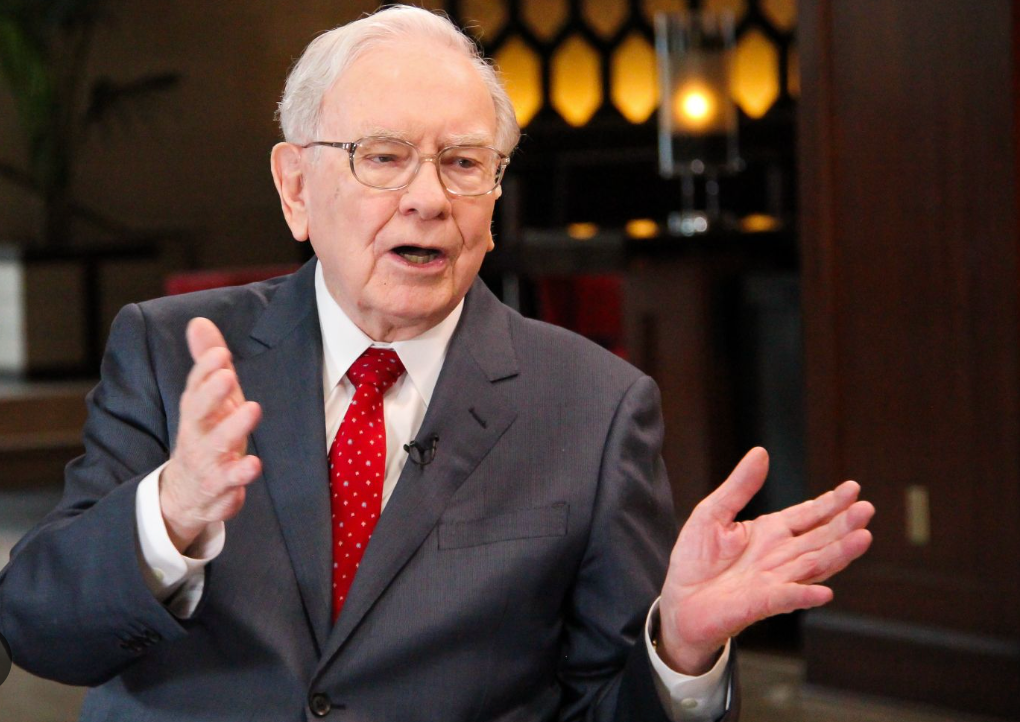
 Warren Buffett's Social Security Concerns
A fresh comment from Warren Buffett has brought renewed attention to a topic often discussed but rarely examined in depth: the sustainability of Social Security. While markets tend to focus on interest rates or inflation data, Warren Buffett's remarks cut into something more structural—the future of retirement income in the United States.
Interestingly, this is not just a policy discussion. It carries real implications for investors, fiscal stability, and long-term capital allocation. When one of the world's most respected investors raises concerns about Social Security, markets tend to listen.
Warren Buffett's Social Security View in Focus
The latest commentary surrounding the Warren Buffett Social Security perspective revolves around a simple but powerful idea: the system, as it stands today, may not be fully sustainable without adjustments.
Warren Buffett pointed out that Social Security is deeply tied to government spending and taxation. In other words, it depends on a delicate balance between incoming payroll taxes and outgoing benefits. When demographics shift, that balance becomes harder to maintain.
The issue is not new. Yet Warren Buffett's framing makes it clearer. The system works well when there are more workers supporting fewer retirees. However, as populations age and birth rates decline, the ratio changes. Fewer workers, more beneficiaries. That creates pressure, and eventually, decisions must be made.
According to Yahoo Finance, Warren Buffett has emphasized that understanding structural economic imbalances is crucial for long-term investment strategy and fiscal planning.
Why This Matters for Markets
At first glance, Social Security might seem distant from daily market movements. But dig a little deeper, and the connection becomes obvious. The Warren Buffett Social Security discussion touches on fiscal policy, which influences government borrowing and, in turn, affects bond yields, currency strength, and investor sentiment.
Consider this reality: if Social Security funding gaps widen, governments may need to increase taxes, reduce benefits, or borrow more. Each option carries significant market consequences:
- Higher taxes can impact corporate earnings and profit margins
- Reduced benefits may affect consumer spending and demand
- Increased borrowing can push bond yields higher and affect fixed-income investments
None of these outcomes exist in isolation. They ripple through the entire financial system. This is precisely why Warren Buffett's perspective on Social Security has caught the attention of institutional investors and policy analysts alike.
The Long-Term Retirement Question
Warren Buffett's comments also highlight a broader concern: are individuals too reliant on Social Security for retirement? The answer, increasingly, appears to be yes.
Many households view Social Security as a primary income source in retirement. However, if the system faces adjustments in the future, those expectations may need to change—gradually, but significantly. This is where Warren Buffett's philosophy becomes relevant. He has long emphasized self-reliance through investing and building wealth over time, rather than depending solely on external systems.
Seen through that lens, the Warren Buffett Social Security perspective is less about criticism and more about preparation. His underlying message encourages individuals and institutions to build financial resilience independent of government programs.
A Subtle Warning on Fiscal Discipline
There is another layer to Warren Buffett's remarks, one that often goes unnoticed. Social Security reflects the broader fiscal health of a nation. If long-term obligations grow faster than revenues, pressure builds across the system—not immediately, but steadily.
Warren Buffett has historically supported fair taxation and responsible fiscal management. His comments suggest that ignoring structural imbalances may lead to more difficult decisions later. In practical terms, this could mean policy shifts such as:
- Adjustments to retirement age eligibility
- Changes to benefit calculation formulas
- Modifications to tax structures and contribution rates
- Revised cost-of-living adjustment mechanisms
Markets tend to anticipate such changes well in advance. Warren Buffett's comments are often viewed as early signals of where structural risks may be shifting.
What Investors Might Take Away
So where does this leave investors? The Warren Buffett Social Security narrative is not about short-term trading signals. It is about long-term positioning and understanding macro trends that affect asset classes differently.
Investors may start to pay closer attention to sectors tied to demographics, healthcare, and retirement planning. At the same time, macro trends such as government debt and interest rates could gain even more importance in portfolio construction.
Diversification, as always, remains central. Relying too heavily on any single income source—whether it is Social Security or market returns—introduces risk. Warren Buffett's message, in essence, reinforces a familiar principle:
Plan ahead. Stay informed. Build resilience into financial decisions.
This philosophy extends beyond individual retirement planning to institutional asset allocation and risk management strategies.
A Broader Reflection on the System
The conversation sparked by Warren Buffett's remarks is likely to continue—not because it introduces a new problem, but because it reframes an existing one in a clearer light.
Social Security remains a cornerstone of the US retirement system. Yet its future depends on choices that have yet to be made. That uncertainty is what markets dislike, but it is also what creates opportunities for those paying attention.
Warren Buffett rarely speaks without purpose. When he does, it often signals a shift in how investors should think about the long term. This appears to be one of those moments.
The implications of Warren Buffett's Social Security perspective will likely influence policy discussions, investment strategies, and retirement planning conversations for years to come. Understanding his concerns about the system's sustainability is essential for anyone planning for long-term financial security.
