

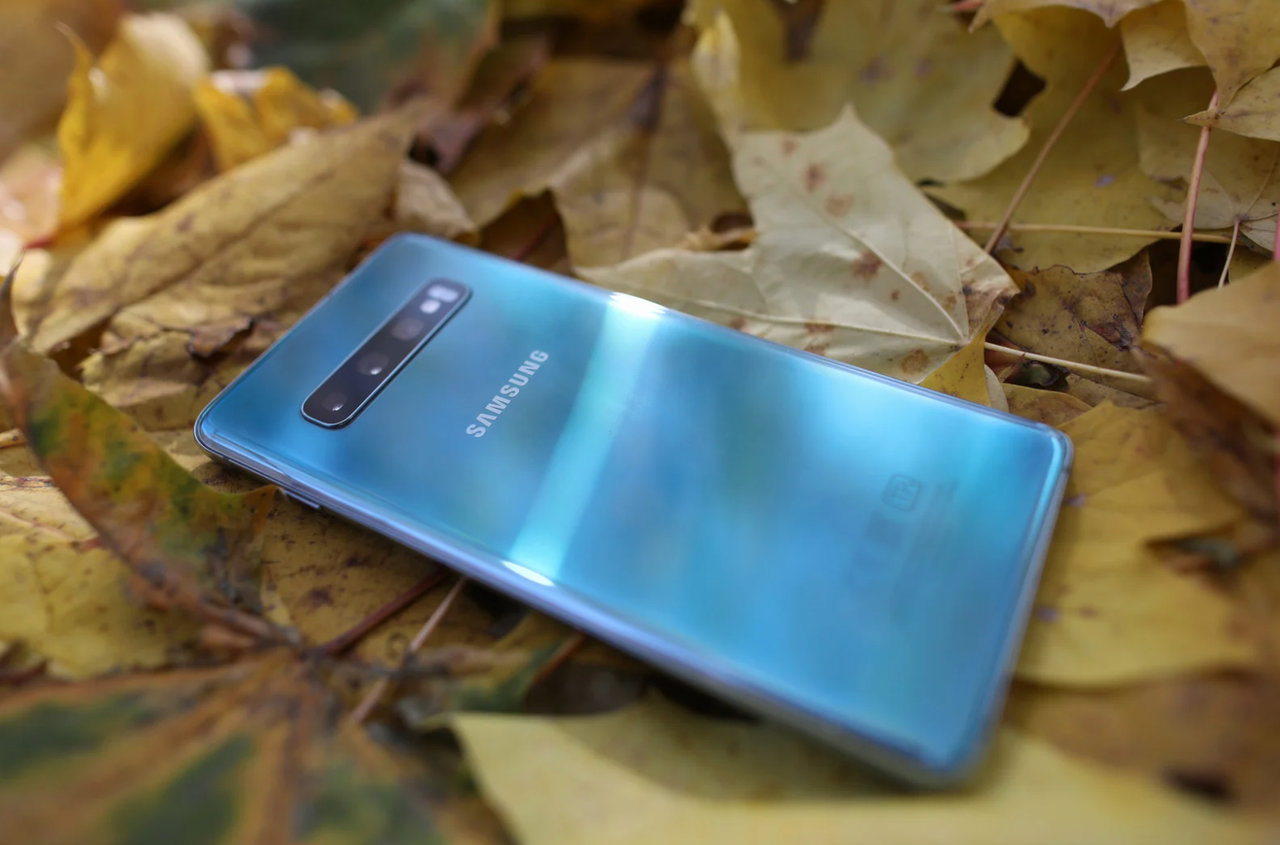
 Samsung Galaxy Display Changes Capture Market Attention
Technology markets are paying close attention to fresh reports surrounding the upcoming Samsung Galaxy S26 Ultra, which may introduce a display durable enough to make traditional screen protectors less necessary. The development, reported within the past 24 hours by industry-focused technology media, has implications that extend beyond consumer convenience.
For investors, the conversation goes deeper. Display durability affects replacement cycles, accessory markets, and component supply chains. When a Samsung Galaxy flagship hints at such a shift, it often signals broader strategic intent within the mobile hardware sector.
Interestingly, the discussion comes at a time when smartphone innovation has been perceived as incremental. A meaningful improvement in physical durability offers a different angle for market differentiation. According to Android Police, this rumored upgrade could redefine flagship resilience standards.
What Is Changing in the Samsung Galaxy Display
According to recent reports, the Samsung Galaxy S26 Ultra may feature an advanced version of reinforced display glass, potentially building on next-generation Gorilla Armor technology. While Samsung has not formally confirmed specifications, supply chain expectations suggest higher scratch resistance and improved impact tolerance compared with current flagship devices.
This matters because display protection remains one of the most common concerns for smartphone users. Screen protectors form a sizeable accessory sub-market. If the Samsung Galaxy reduces reliance on those add-ons, consumer spending patterns could shift.
Let that sink in. A single hardware upgrade can quietly reshape adjacent industries without altering headline smartphone pricing.
Why Durability Matters to Market Dynamics
From a market analysis perspective, durability directly influences device longevity. Longer-lasting screens may encourage users to hold onto devices for extended periods, affecting upgrade cycles. That dynamic has implications for shipment volumes across the global smartphone market.
At the same time, premium durability can strengthen brand loyalty. Samsung Galaxy devices already compete at the high end of the Android ecosystem. Enhancing perceived resilience supports pricing power and margin stability, especially in a mature market where unit growth has slowed.
Impact on Accessory and Component Markets
Screen protectors represent a high-volume, low-cost accessory category. If a flagship Samsung Galaxy reduces the need for such products, accessory makers may face softer demand in premium segments. Some may pivot toward niche designs or compatibility with mid-range devices.
Component manufacturers also stand to gain. Advanced glass solutions rely on tighter tolerances, specialized coatings, and higher-grade materials. That benefits suppliers positioned at the premium end of the display ecosystem.
Potential market shifts include:
- Decline in premium screen protector sales
- Increased R&D in alternative accessory categories
- Heightened competition among glass substrate suppliers
- Faster adoption of durable displays across competing brands
Samsung’s Broader Technology Strategy
The rumored display upgrade aligns with Samsung’s long-term focus on hardware leadership. As one of the few companies controlling both component manufacturing and device assembly, Samsung Electronics is uniquely positioned to push materials innovation into mass-market products.
This vertical integration allows Samsung Galaxy devices to act as testing grounds for new technologies that later scale across product lines. Investors have historically viewed this approach as a competitive advantage, especially during periods of tight component supply.
At the same time, markets remain cautious. Innovation must translate into consumer demand. Durability is valuable, but it competes with other priorities such as:
- Battery life and charging speed
- Camera performance and computational photography
- AI integration and on-device processing
- Software support longevity
Signals for Technology Investors
For technology-focused investors, the Samsung Galaxy display story offers several signals. It highlights ongoing investment in physical hardware at a time when much attention is directed toward software and artificial intelligence. It also underscores how incremental changes can still influence market narratives when they address real consumer pain points.
Equity markets tend to reward companies that sustain relevance in mature sectors. Display durability may not grab headlines like foldable phones once did, but its commercial impact could be broader and more stable.
The next few months will clarify whether this technology remains a premium differentiator or becomes an industry baseline for the next Samsung Galaxy generation and its rivals.
A Quiet Shift Worth Watching
The potential end of screen protectors may sound minor at first glance. From a market perspective, it reflects a subtle but meaningful shift in how smartphones are designed, used, and monetized. The Samsung Galaxy has often led such transitions before they became mainstream.
As launch details emerge, investors will be watching adoption rates, consumer feedback, and supply chain responses. Small hardware changes can create lasting ripple effects when deployed at flagship scale.
DISCLAIMER: Derivative products carry high risk and may result in the loss of your entire invested capital. Before trading, ensure you fully understand the legal framework, product characteristics, and your broker’s trading rules. Always trade responsibly and with caution.
RISK WARNING: Margin trading with leverage is not suitable for all investors due to its high risk. THERE ARE NO GUARANTEED RETURNS in trading. Beware of any claims promising assured profits. Only use capital you can afford to lose. Before engaging in any transaction, ensure you understand the risks and assess both your experience and risk tolerance.
