

市場洞察
Oil Stockpile Buying Could Spark the Next Global Crude Oil Rally
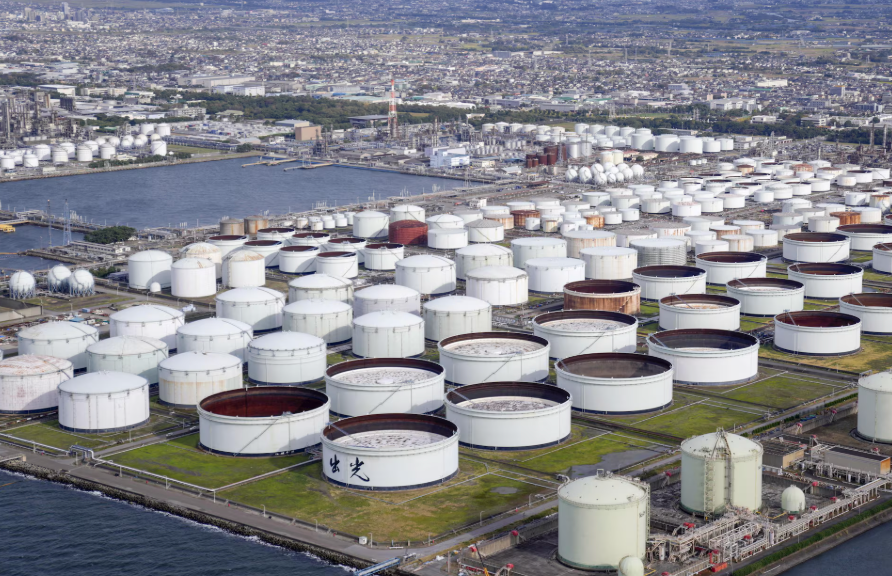 Understanding the Oil Stockpile Buying Trend
The dramatic swings seen in crude oil prices over recent weeks have largely been linked to geopolitical developments in the Middle East. However, while headlines have focused on military tensions and shipping routes, another force may quietly be gathering momentum beneath the surface.
Oil stockpile buying is increasingly emerging as a potential catalyst for the next move higher in crude prices. Rather than being driven solely by stronger consumer demand or production cuts, the next rally could be fuelled by governments and energy-importing nations rebuilding strategic petroleum reserves after experiencing one of the most volatile periods in recent years.
Interestingly, this represents a different source of demand. It is less dependent on economic growth and more closely tied to energy security, making it an important factor for investors watching the commodities market.
Why Oil Stockpile Buying Matters
During periods of geopolitical uncertainty, many countries release crude oil from strategic reserves to stabilise domestic fuel supplies and limit price shocks. Once tensions ease, these reserves eventually need to be replenished.
That replenishment process can take months or even years.
Recent market analysis suggests that several countries are reviewing plans to expand or refill their storage facilities after supply disruptions highlighted the importance of energy security. Nations including India, Australia, Singapore and Pakistan have either announced new storage projects or accelerated existing plans to strengthen fuel reserves. Analysts estimate that filling both existing and planned facilities could require close to one billion barrels of crude oil and refined fuels over time. According to Oil Price, for the oil market, oil stockpile buying represents meaningful additional demand.
Unlike short-term speculative buying, oil stockpile buying is typically carried out over an extended period, providing a more stable source of support for prices. This distinction matters significantly for market participants analyzing price trajectories.
Energy Security Has Become a Priority
The recent conflict surrounding the Strait of Hormuz served as another reminder of how vulnerable global energy supply chains remain.
Although oil shipments have gradually recovered following temporary disruptions, governments appear increasingly unwilling to rely on uninterrupted global trade routes alone. Recent attacks and shipping risks have reinforced concerns over future supply reliability.
As a result, energy security has returned to the top of many policy agendas. Strategic petroleum reserves are no longer viewed simply as emergency inventories. Instead, they are becoming a long-term national security asset capable of protecting economies from sudden supply shocks.
That shift in thinking could create sustained oil stockpile buying over the coming years, fundamentally reshaping how governments approach energy reserves.
A New Source of Demand for Crude Oil
Most oil rallies are traditionally driven by one of three factors:
- Stronger economic growth that increases fuel consumption
- Tighter supply resulting from production cuts by major oil-producing nations
- Unexpected geopolitical disruptions
Oil stockpile buying introduces another layer of demand beyond these traditional drivers.
Governments purchasing crude oil for storage are not immediately consuming those barrels. Instead, they remove supply from the market, tightening available inventories while building strategic reserves. Even if global economic growth remains moderate, oil stockpile buying alone could still support prices by reducing available supplies in the physical market.
This explains why some analysts believe crude prices may remain more resilient than previously expected, regardless of broader economic conditions.
Market Fundamentals Are Becoming More Balanced
Despite the recent correction in oil prices, inventories in several regions remain relatively tight compared with historical averages.
Meanwhile, traders continue to monitor production decisions from major producers while evaluating how quickly supply can respond if demand strengthens. Recent trading has shown Brent crude recovering alongside renewed geopolitical concerns, although prices remain well below the highs reached during the height of market tensions. According to Reuters, this recovery pattern reflects persistent underlying support mechanisms.
This creates a more nuanced outlook than simple supply and demand forecasts might suggest.
What Investors Should Watch
For investors, monitoring oil stockpile buying may become just as important as tracking weekly inventory reports or OPEC production announcements.
Several developments deserve close attention:
- New announcements regarding strategic petroleum reserve expansion
- Government tenders for large-scale crude oil purchases
- Changes in storage capacity across major oil-importing countries
- Inventory data published by international energy agencies
- Geopolitical developments affecting global shipping routes
Each of these indicators could influence the pace of oil stockpile buying and, by extension, the broader direction of crude oil prices across global markets.
Implications Beyond the Energy Sector
A sustained rise in crude oil prices would likely affect far more than energy companies alone.
Higher oil prices often contribute to rising transportation costs, manufacturing expenses and broader inflation pressures. Central banks may also take these developments into account when assessing future monetary policy. Financial markets could therefore see ripple effects across multiple asset classes.
Energy producers may benefit from improved revenues, while airlines, transportation firms and other fuel-intensive industries could face higher operating costs. Currency markets may also respond, particularly for commodity-linked currencies such as the Canadian dollar and Norwegian krone, which tend to strengthen when crude prices rise.
A Market Theme Worth Following
Oil markets rarely move because of a single factor. Supply, demand, geopolitics and investor sentiment all play important roles.
Yet oil stockpile buying is increasingly attracting attention as another meaningful source of demand that has the potential to reshape market expectations. As governments place greater emphasis on energy resilience following recent supply disruptions, rebuilding strategic reserves may become a multi-year trend rather than a temporary response.
Whether crude prices revisit previous highs will depend on numerous variables. Nevertheless, if large-scale oil stockpile buying accelerates alongside steady global demand and disciplined production, the foundations for another sustained oil rally could become considerably stronger than many investors currently anticipate.
DISCLAIMER: Derivative products carry high risk and may result in the loss of your entire invested capital. Before trading, ensure you fully understand the legal framework, product characteristics, and your broker’s trading rules. Always trade responsibly and with caution.
RISK WARNING: Margin trading with leverage is not suitable for all investors due to its high risk. THERE ARE NO GUARANTEED RETURNS in trading. Beware of any claims promising assured profits. Only use capital you can afford to lose. Before engaging in any transaction, ensure you understand the risks and assess both your experience and risk tolerance.
