

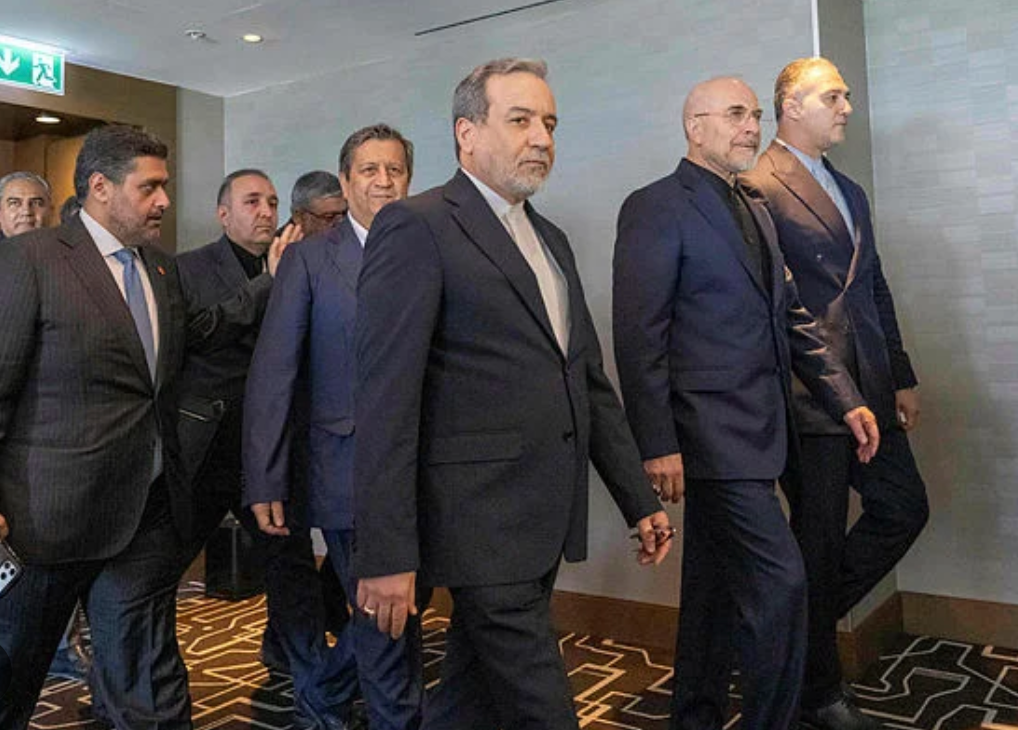
 US-Iran Talks Ease Middle East Tensions
Fresh US-Iran talks have renewed hopes for a diplomatic breakthrough after both countries agreed to halt military strikes, easing concerns that recent tensions could escalate into a wider regional conflict. The development, reported on 29 June 2026, comes as diplomatic channels appear to be reopening following several days of heightened military activity across the Middle East.
The announcement has immediately drawn the attention of financial markets. Investors are closely monitoring whether the latest US-Iran talks can reduce geopolitical risks surrounding energy supplies, particularly through the Strait of Hormuz, one of the world's most important oil shipping routes.
While uncertainty has not disappeared, the latest developments have encouraged a modest improvement in market sentiment as traders assess the possibility of a more stable geopolitical environment. According to DW, the timing of these talks signals a significant shift in regional dynamics.
US-Iran Talks Signal a Shift Toward Diplomacy
Reports indicate that Washington and Tehran have agreed to suspend further strikes while preparations are made for another round of diplomatic discussions. Qatar is expected to play a key role in facilitating the renewed US-Iran talks, continuing its long-standing role as an intermediary between the two countries.
Interestingly, diplomatic progress often has an immediate impact on financial markets, even before any formal agreement is reached. Investors tend to respond quickly whenever the probability of military escalation declines. In this case, the decision to pause hostilities has reduced fears that the conflict could spread across the region and disrupt global energy supplies.
Although negotiations remain at an early stage, the willingness of both sides to continue dialogue represents a notable change from the heightened tensions seen earlier this month. Key factors influencing market response to the US-Iran talks include:
- Reduced military escalation risks
- Potential for resumed diplomatic channels
- Improved regional stability outlook
- Lower energy supply disruption concerns
Oil Markets React to Lower Geopolitical Risk
One of the first markets to respond to the renewed US-Iran talks was crude oil. Oil prices eased after traders reduced the geopolitical risk premium that had previously supported higher prices. Concerns over possible disruptions to shipping through the Strait of Hormuz had pushed crude prices sharply higher in recent weeks.
With military action now temporarily paused, investors are reassessing the likelihood of prolonged supply disruptions. That does not mean energy markets have become complacent. The Strait of Hormuz still handles roughly one-fifth of global oil shipments. Any unexpected deterioration in the US-Iran talks could quickly reverse recent price movements.
Gold Gives Back Some Safe-Haven Gains
The renewed US-Iran talks have also influenced precious metals. Gold prices softened modestly as demand for traditional safe-haven assets eased following reports that military strikes had stopped. Whenever geopolitical risks begin to decline, investors often rotate away from defensive assets and back toward equities and other higher-risk investments.
Still, analysts caution against interpreting the latest decline as a major trend reversal. Diplomatic negotiations remain highly sensitive, and any setback could rapidly restore demand for safe-haven assets such as gold and the US dollar. For that reason, many investors continue maintaining balanced portfolios while awaiting further developments in the US-Iran talks.
Investors Are Watching the Strait of Hormuz Closely
Despite the improving tone surrounding the US-Iran talks, attention remains firmly focused on the Strait of Hormuz. The strategic waterway connects Gulf oil producers with international markets and remains one of the world's most important energy transport corridors. Even short-lived disruptions can affect shipping costs, insurance premiums, and global energy prices.
Shipping companies, energy traders, and governments continue monitoring the situation closely to ensure commercial traffic remains uninterrupted. As long as navigation through the Strait remains stable, pressure on global oil prices could continue to ease. According to DW, this remains a critical indicator of the success of ongoing diplomatic efforts.
Markets Continue to Balance Optimism with Caution
Equity markets generally welcomed news of the renewed US-Iran talks, although gains remained measured. Investors recognise that diplomatic negotiations rarely produce immediate solutions. Progress often comes through multiple rounds of discussions, with setbacks remaining possible along the way.
At the same time, recent events have highlighted how quickly geopolitical developments can reshape market expectations. Energy companies, airlines, industrial manufacturers, and transport firms all remain sensitive to changes in oil prices, while broader equity markets continue responding to shifts in global risk sentiment. The coming days could prove particularly important for investors monitoring developments stemming from the US-Iran talks.
Diplomatic Progress Could Reduce Market Volatility
The agreement to halt military strikes has provided financial markets with a temporary sense of relief. Whether the renewed US-Iran talks lead to a longer-lasting reduction in regional tensions remains uncertain. Much will depend on the outcome of upcoming negotiations and whether both sides can maintain their current commitment to diplomacy.
For now, investors are likely to remain focused on official statements, developments surrounding the Strait of Hormuz, and any signals that the US-Iran talks are either progressing or stalling. If diplomatic momentum continues, volatility across oil, gold, and global equity markets may gradually ease. However, geopolitical risks have not disappeared entirely, making cautious optimism the prevailing mood among market participants.
As markets await the next phase of negotiations, the successful management of the US-Iran talks will likely remain a key driver of commodity prices and broader market sentiment throughout the second half of 2026.
Key Takeaways on US-Iran Talks Impact
The most significant implications of the current US-Iran talks for financial markets include:
- Reduced geopolitical risk premiums across energy markets
- Shift of investor capital from safe-haven assets back to risk assets
- Improved outlook for stable energy supplies and pricing
- Potential for continued market volatility if negotiations falter
- Strong correlation between diplomatic progress and market sentiment
