

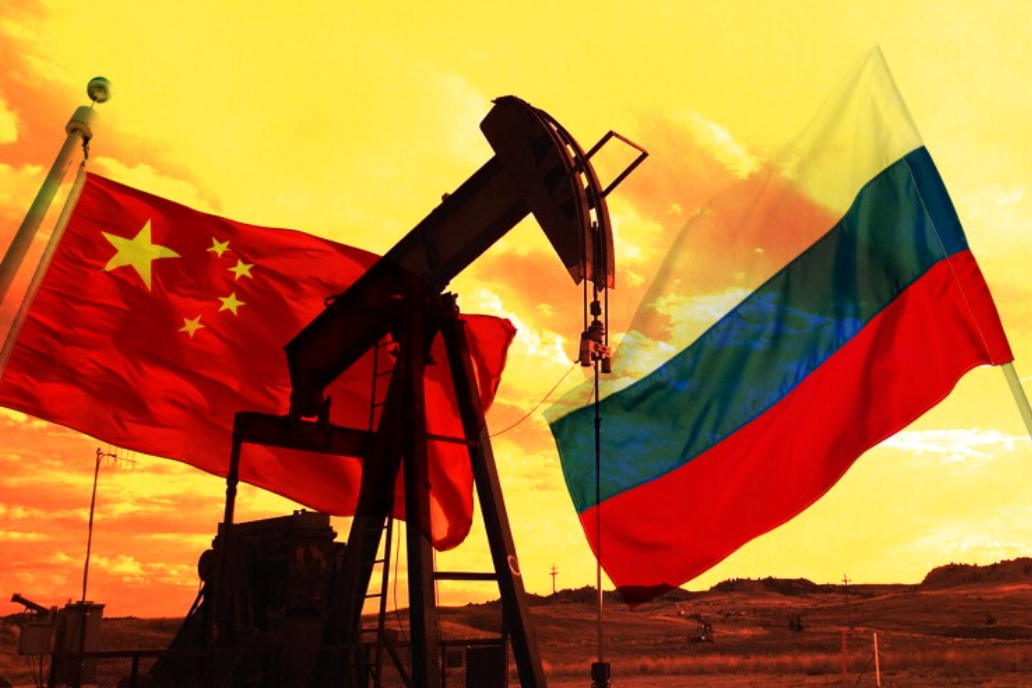
 Global Markets React to Putin China Visit
Global markets are closely watching the latest Putin China visit after reports confirmed that Russian President Vladimir Putin is heading to Beijing only days after high-level discussions between former U.S. President Donald Trump and Chinese President Xi Jinping. The timing has immediately attracted attention across financial markets, geopolitical circles, and energy traders worldwide.
According to CNBC, the Putin China visit comes during a period of heightened uncertainty surrounding global trade relations, the Ukraine war, commodity prices, and China's diplomatic positioning between East and West. Analysts believe Beijing now faces growing pressure to maintain strategic relationships with both Moscow and Washington while avoiding deeper economic fallout.
That balancing act may become increasingly difficult. The Putin China visit has therefore become more than a diplomatic headline. For investors, it represents another signal that geopolitics continues shaping market sentiment almost daily in 2026.
China Faces Increasing Diplomatic Pressure
One of the biggest themes surrounding the Putin China visit is China's increasingly delicate geopolitical position. Beijing has attempted to maintain economic ties with Western nations while simultaneously strengthening cooperation with Russia in areas such as energy, trade, and regional security.
However, recent global tensions have made this strategy harder to sustain without attracting criticism from multiple sides. The latest Putin China visit highlights exactly that challenge. Following the recent Trump-Xi meeting, markets had been searching for clues about whether China might adopt a more moderate international stance to stabilize economic conditions and reduce tensions with the United States.
Instead, Putin's upcoming arrival in Beijing introduces another layer of geopolitical complexity. Analysts say China now faces difficult diplomatic calculations. Supporting Russia too openly could increase friction with Western economies at a time when China continues dealing with slower domestic growth and weaker investor confidence. Yet distancing itself from Moscow may weaken one of Beijing's most strategically important partnerships.
That uncertainty explains why the Putin China visit is being monitored so carefully by financial markets.
Energy Markets Respond to Putin China Visit
The Putin China visit is also drawing attention because of its potential impact on global energy markets. Russia remains one of the world's major energy exporters, while China continues to be among the largest energy consumers globally. Cooperation between both countries has expanded significantly since Western sanctions reshaped global oil and gas flows following the Ukraine conflict.
Energy traders understand the importance of this relationship. During recent years, China increased purchases of discounted Russian oil while Moscow redirected exports away from Europe toward Asian buyers. As a result, any new agreements or policy discussions during the Putin China visit could influence expectations for oil supply, pricing dynamics, and broader commodity flows.
According to market reports, Brent crude prices remained relatively firm during Asian trading sessions as traders assessed geopolitical developments surrounding the visit. Some analysts noted that heightened geopolitical uncertainty often supports energy prices because investors fear potential disruptions to global supply chains.
Gold markets also remained supported. Safe-haven demand tends to strengthen whenever geopolitical tensions escalate or uncertainty surrounding major powers increases. Investors are now responding to diplomatic meetings almost as actively as they react to inflation reports or interest rate decisions. That reflects how interconnected global markets have become.
China's Economic Priorities and the Putin China Visit
Although the geopolitical symbolism surrounding the Putin China visit is significant, China's domestic economic priorities may ultimately shape the direction of future diplomacy. The Chinese economy continues facing several challenges in 2026, including uneven property sector recovery, slower manufacturing momentum, and cautious consumer spending.
Beijing therefore remains highly sensitive to anything that could damage trade activity or investor confidence further. This is where the situation becomes particularly complex:
- China still relies heavily on exports and international investment despite ongoing efforts to strengthen domestic consumption
- Maintaining stable economic relationships with Europe and the United States remains essential for long-term growth prospects
- Russia offers strategic advantages in energy security, regional influence, and political cooperation
The Putin China visit therefore arrives during an important period for Chinese policymakers attempting to stabilize growth while navigating increasingly complicated international relationships. Financial markets recognize this tension clearly. Chinese equities traded cautiously following the latest developments, while investors continued monitoring currency movements and regional trade sentiment for additional clues regarding Beijing's broader direction.
Geopolitical Risk Reshapes Market Dynamics
Another important takeaway from the Putin China visit involves the growing role of geopolitical risk in daily market movements. Not long ago, investors focused primarily on earnings reports, inflation data, and central bank decisions. Those factors still matter enormously.
Yet geopolitical developments now regularly influence commodities, currencies, and equity indexes across multiple regions. The Putin China visit reinforces this trend once again. Market participants increasingly understand that diplomatic relationships between major powers can affect everything from energy prices to technology supply chains and shipping routes. Political strategy and financial markets are becoming more interconnected with each passing year.
"Several institutional analysts noted that the visit may not immediately produce dramatic policy changes. However, symbolism itself can influence investor psychology, especially during periods of fragile market confidence."
That explains why traders continue monitoring headlines so closely. Interestingly, the broader market reaction so far has remained cautious rather than aggressive. Investors appear reluctant to make major directional bets until more details emerge from meetings between Russian and Chinese officials.
What the Putin China Visit Means for Investors
The Putin China visit ultimately matters because it reflects broader shifts taking place within the global political and economic landscape. Relations between major powers are evolving. Trade alliances are changing. Energy flows are being redirected. Financial markets are adapting to a world where diplomacy increasingly affects asset prices and investment strategies.
For global investors, this creates both opportunities and risks:
- Energy markets may remain volatile if geopolitical uncertainty intensifies further
- Safe-haven assets such as gold could continue attracting attention during periods of diplomatic tension
- Companies heavily exposed to international trade or sensitive supply chains may experience sharper market reactions whenever geopolitical developments escalate
The coming weeks may provide greater clarity regarding the direction of China's international strategy following both the Trump-Xi meeting and the Putin China visit. For now, however, markets remain focused on one central question.
The Central Question for Global Markets
Can China continue balancing economic cooperation with the West while deepening strategic ties with Russia without creating broader financial instability? That question may shape global market sentiment far beyond this week alone.
