

市場洞察
Global Markets Slip as Gulf Peace Talks Face Growing Uncertainty
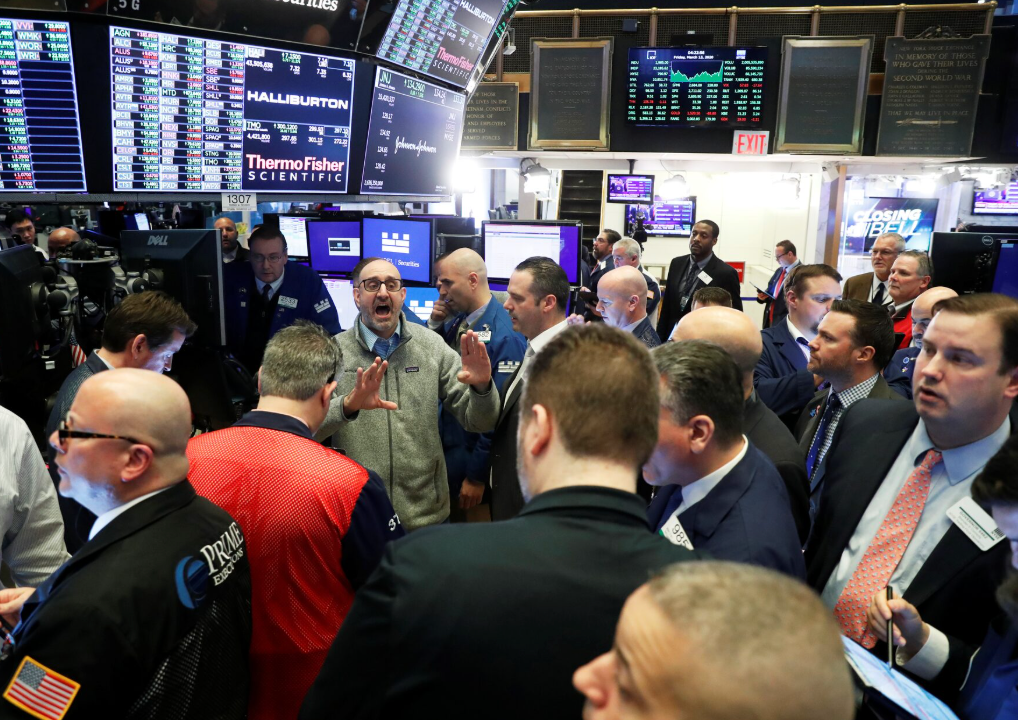
Global Markets React to Diplomatic Uncertainty
Global markets traded cautiously on Monday as uncertainty surrounding Gulf peace negotiations weighed on investor confidence, pushing share futures lower while boosting demand for the US dollar. According to Reuters, the latest market reaction came after reports suggested diplomatic discussions linked to the Gulf region were showing signs of strain, raising concerns that geopolitical tensions could remain elevated for longer than expected.
Investors responded by reducing exposure to risk-sensitive assets and shifting capital toward traditional safe-haven positions. US stock futures edged lower during Asian trading hours, while European market futures also softened. The shift in sentiment reflected broader concerns across global markets as participants reassessed their portfolios in light of mounting geopolitical risks.
Understanding the Impact on Equity Markets
For weeks, investors had hoped that progress in Gulf peace talks could ease geopolitical risks, stabilise energy markets, and improve confidence across global markets. Instead, the latest developments have introduced fresh doubts about whether negotiations can produce a lasting resolution. The disappointment has triggered a notable retrenchment in equity positioning across major regions.
Weaker risk sentiment pressured equity futures across several major regions, with global markets showing particular sensitivity to geopolitical headlines. Technology shares, industrial companies, and export-linked sectors appeared especially vulnerable to concerns about prolonged instability. Stock futures turned notably lower as risk appetite softened, with:
- Wall Street futures slipping modestly
- Asian equities trading mixed under dual pressures
- European futures weakening on prolonged uncertainty concerns
- Commodity-linked currencies declining alongside risk appetite
Currency Markets and the Dollar's Resurgence
Currency markets reacted almost immediately to the shift in geopolitical sentiment. The US dollar strengthened against the euro, yen, and several emerging market currencies as investors moved toward safer assets. The recent rise in dollar strength highlights how quickly investor sentiment can shift during periods of uncertainty affecting global markets.
When markets become uneasy, capital often flows toward assets viewed as relatively stable or liquid. The US dollar continues to benefit from that pattern, especially during moments when global markets experience reduced risk appetite. Analysts noted that dollar strength was further supported by expectations that the Federal Reserve may maintain a cautious stance on interest rates.
Treasury yields also remained firm, suggesting markets continue to favour defensive positioning while waiting for clearer geopolitical direction. The dollar strength narrative also affected commodity-linked currencies such as the Australian dollar and Canadian dollar, both of which tend to react to shifts in sentiment across global markets.
Energy Markets and Economic Implications
Investors are monitoring oil markets closely, as Gulf tensions frequently influence crude oil prices because of the region's critical role in global energy supply chains.
Any sign of disruption can affect transportation costs, inflation expectations, and broader economic forecasts.
This interconnected market response explains why Gulf peace talks are drawing so much attention from participants across global markets.
The issue extends well beyond diplomacy itself. Energy price volatility creates ripple effects throughout economies worldwide, influencing everything from manufacturing costs to consumer purchasing power. According to Reuters analysts, the interconnection between geopolitical events and energy markets remains one of the most significant risk factors affecting global markets in the current environment.
The Dollar Strength Narrative
The recent resurgence of dollar strength reflects fundamental shifts in how global markets assess risk and opportunity. When markets become uneasy, capital often flows toward assets viewed as relatively stable or liquid. The US dollar continues to benefit from that pattern, especially during moments when global markets weakness coincides with geopolitical uncertainty.
Analysts noted that dollar strength was further supported by expectations that the Federal Reserve may maintain a cautious stance on interest rates. Although inflation pressures in the United States have eased somewhat compared to previous years, policymakers remain careful about signaling aggressive monetary easing. That matters because higher relative interest rates tend to support the dollar and attract capital seeking yield in global markets.
Balancing Multiple Market Forces
Financial markets are currently navigating two major forces simultaneously. On one side, geopolitical uncertainty linked to Gulf peace talks is increasing demand for safer assets and supporting dollar strength across global markets. On the other, investors are still trying to evaluate the broader economic outlook, including inflation trends, interest rate expectations, and corporate earnings performance.
This combination has created a more fragile market environment compared to earlier in the year. Traders are now watching for signals from diplomats, central banks, and commodity markets almost simultaneously. Key factors shaping global markets include:
- Diplomatic progress or setbacks in Gulf negotiations
- Federal Reserve interest rate policy decisions and communications
- Economic data releases from major economies
- Crude oil price movements and energy market dynamics
- Corporate earnings reports and guidance revisions
Looking Forward: Market Uncertainty Persists
For now, the stronger dollar reflects a market searching for stability rather than optimism. Equity investors appear willing to remain cautious until there is clearer evidence that Gulf negotiations can move forward without further setbacks. Until then, global markets may continue experiencing periods of uneven trading and heightened sensitivity to geopolitical headlines.
Even relatively small developments can shift sentiment sharply within hours when global markets are in such a fragile state. Some strategists described the current market mood as cautious rather than outright fearful. However, they also acknowledged that volatility can rise quickly if negotiations deteriorate further or if economic data disappoints.
Several fund managers pointed out that global markets had already priced in some degree of optimism surrounding diplomatic efforts in the Gulf. As a result, disappointing headlines naturally triggered a reassessment of short-term expectations. At the same time, investors remain focused on upcoming economic indicators from the United States, Europe, and China, as economic data continues to compete with geopolitical developments for influence over global markets direction.
Conclusion: A Cautious Outlook for Global Markets
That cautious tone is becoming increasingly difficult to ignore across global markets. The intersection of geopolitical risk and economic uncertainty has created conditions where traditional portfolio strategies face renewed scrutiny. Investors navigating global markets must remain flexible and responsive to rapidly changing conditions.
The market environment remains dynamic, with participants seeking clarity on both diplomatic and economic fronts before committing significant new capital. As long as uncertainty persists around Gulf peace talks, global markets are likely to remain sensitive to headlines and prone to sudden shifts in sentiment. According to Reuters market strategists, investors should prepare for continued volatility until clearer geopolitical resolution emerges.
DISCLAIMER: Derivative products carry high risk and may result in the loss of your entire invested capital. Before trading, ensure you fully understand the legal framework, product characteristics, and your broker’s trading rules. Always trade responsibly and with caution.
RISK WARNING: Margin trading with leverage is not suitable for all investors due to its high risk. THERE ARE NO GUARANTEED RETURNS in trading. Beware of any claims promising assured profits. Only use capital you can afford to lose. Before engaging in any transaction, ensure you understand the risks and assess both your experience and risk tolerance.
