

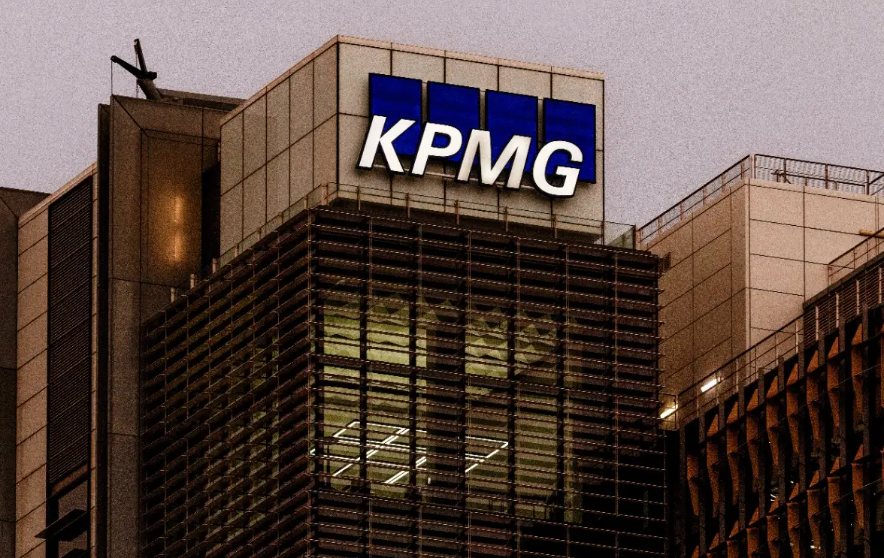
 KPMG Australia Workforce Review Sparks Debate
The KPMG Australia workforce review has drawn significant attention after media reports suggested the professional services firm could reduce its workforce by as many as 1,000 employees. However, KPMG Australia has clarified that no final decision has been made, emphasising that discussions remain part of an ongoing review rather than a confirmed restructuring plan.
The development comes as consulting firms across Australia and other major economies continue adapting to slower client spending, changing business priorities, and growing pressure to improve operational efficiency. According to Reuters, several large professional services firms have undertaken similar workforce assessments in recent months as demand patterns shift.
Although the reported job cuts remain unconfirmed, the KPMG Australia workforce review has become another example of how the global consulting industry is adjusting to a more cautious economic environment.
What Prompted the Reports?
Australian media reported that KPMG Australia was considering eliminating up to 1,000 positions as part of a broader restructuring initiative.
In response, the firm stated that no decisions regarding workforce reductions had been finalised. Management explained that the business is reviewing its operations to ensure the organisation remains competitive while responding to changing market conditions.
A workforce review does not automatically result in large-scale layoffs.
Companies frequently assess staffing levels, business units, investment priorities, and organisational structures before deciding whether changes are necessary. Still, investors and employees are paying close attention because workforce announcements often provide insight into broader business conditions.
Why Consulting Firms Are Facing Greater Pressure
The consulting industry experienced exceptional growth during the years following the pandemic. Governments expanded public spending, businesses accelerated digital transformation projects, and demand for the following services rose sharply:
- Technology consulting
- Cybersecurity
- Sustainability reporting
- Risk management
Over the past year, however, conditions have become more challenging. Many organisations are delaying discretionary projects as higher interest rates, persistent cost pressures, and slower economic growth encourage tighter budget control.
Professional services firms are therefore seeing a shift in client priorities. Rather than pursuing aggressive expansion initiatives, many businesses are focusing on efficiency, cost management, and essential investments. Interestingly, this trend is affecting not only Australia but also major consulting firms across North America, Europe, and Asia.
The KPMG Australia Workforce Review Reflects Broader Industry Trends
The KPMG Australia workforce review is not taking place in isolation. Several global consulting firms have announced restructuring programmes or workforce reductions over the past two years as demand returned to more normal levels after a period of extraordinary growth.
Technology consulting remains an area of investment, particularly projects involving artificial intelligence, cloud infrastructure, automation, and cybersecurity. Meanwhile, traditional advisory services linked to mergers, acquisitions, property transactions, and corporate expansion have experienced softer demand in many markets.
This changing mix of client activity requires firms to regularly reassess where talent is needed most. As a result, workforce reviews have become increasingly common throughout the professional services industry.
Labour Market Signals Remain Important
Employment announcements from major companies often influence market sentiment because they provide another perspective on economic conditions. A large employer reviewing staffing levels may indicate softer business confidence or slower revenue growth.
At the same time, workforce adjustments do not necessarily imply financial weakness. Companies sometimes restructure to improve productivity, invest in higher-growth business segments, or align resources with evolving customer demand.
Let that sink in.
Investors generally analyse these announcements alongside corporate earnings, hiring data, business confidence surveys, and broader economic indicators before drawing conclusions. The KPMG Australia workforce review therefore represents one piece of a much larger economic picture.
What It Means for Australian Businesses
Australia's labour market has remained relatively resilient despite ongoing economic uncertainty. However, businesses across multiple industries continue balancing rising operating costs with the need to remain competitive.
Professional services firms face additional challenges. Clients increasingly expect:
- Faster delivery timelines
- Stronger technology capabilities
- Measurable commercial outcomes
- Carefully managed consulting budgets
Artificial intelligence is also beginning to reshape how advisory work is delivered. Routine administrative tasks, document analysis, data processing, and research functions are becoming more automated, allowing consultants to focus on higher-value strategic services.
That transition may gradually change workforce requirements across the sector, although demand for specialised expertise is expected to remain strong.
Investors Will Continue Monitoring Corporate Restructuring
For investors, announcements surrounding employment decisions often provide valuable signals beyond headline numbers. They can reveal how executives view future demand, expected revenue growth, operating margins, and business confidence.
The KPMG Australia workforce review highlights the importance of separating media speculation from official company statements. While reports suggested substantial job reductions, KPMG Australia has clearly stated that no final workforce decision has been reached.
Markets will now monitor whether the review leads to organisational changes, strategic investment, or operational adjustments over the coming months. Regardless of the eventual outcome, the situation reflects the increasingly cautious approach many large organisations are adopting as economic growth moderates and businesses adapt to a more competitive environment.
For the broader market, the story serves as another reminder that workforce planning has become an important indicator of corporate strategy, business confidence, and long-term economic expectations.
