

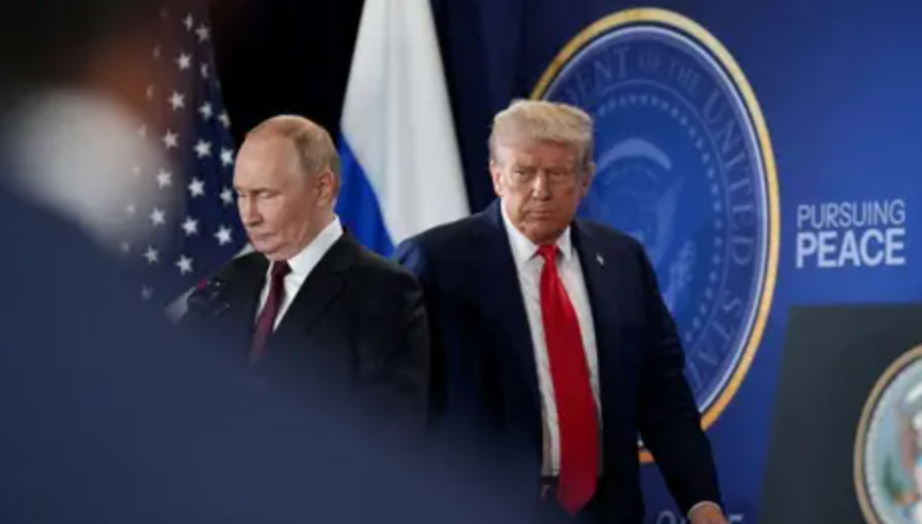
A proposed US sanctions on Russia bill is drawing increasing attention from policymakers, businesses, and financial markets after concerns emerged that some of its provisions could create far-reaching consequences for global trade. While the legislation is primarily intended to increase economic pressure on Russia over the ongoing conflict in Ukraine, critics argue that its tariff measures could also affect countries and companies far beyond Russia itself.
The proposed legislation has gained bipartisan support in the US Senate. However, industry groups, trade organizations, and legal experts are warning that some parts of the bill could unintentionally disrupt international supply chains, raise business costs, and complicate trade relationships with America's allies. As investors continue monitoring geopolitical developments, the US sanctions on Russia proposal has become another important risk factor for global markets.
What Is the New US Sanctions on Russia Bill?
The proposed US sanctions on Russia legislation seeks to strengthen economic penalties against Moscow by targeting countries that continue purchasing Russian energy products. Rather than focusing solely on Russia, the bill would allow the United States to impose tariffs of up to 500% on imports from countries that continue buying Russian oil, natural gas, uranium, and other key commodities.
That figure immediately caught the attention of businesses.
A tariff of this magnitude would represent one of the strongest trade measures proposed in recent decades. Although lawmakers say the objective is to reduce Russia's export revenue, many trade experts believe the scope of the proposal extends well beyond Russian companies.
Interestingly, the legislation could affect major US trading partners if they continue importing Russian energy, creating uncertainty across multiple industries.
Businesses Fear Unintended Consequences
Several US business organizations have expressed concern about the proposed US sanctions on Russia bill.
Groups representing manufacturers, retailers, ports, and agricultural exporters argue that the legislation's broad wording may create uncertainty for companies that rely on global supply chains. Some legal experts also believe businesses could struggle to determine whether imported products indirectly contain Russian materials.
For example, a manufacturer may purchase components produced in another country without knowing whether the raw materials originally came from Russia.
That uncertainty could increase compliance costs while slowing international trade.
According to Reuters, industry representatives are now urging lawmakers to clarify the language before the bill moves forward, reducing the risk of unintended economic disruption.
Why Markets Are Paying Close Attention
Financial markets generally respond quickly whenever major economies introduce new trade restrictions.
The proposed US sanctions on Russia legislation arrives at a time when investors are already balancing several sources of uncertainty, including inflation, interest rate expectations, and geopolitical tensions.
If enacted without significant revisions, higher tariffs could influence:
- Global commodity prices
- Shipping and logistics costs
- Manufacturing expenses
- International supply chains
- Investor confidence
That is one reason why investors often monitor sanctions policy alongside central bank decisions and economic data releases.
Energy Markets Could Feel the Impact
Energy remains at the center of the proposed US sanctions on Russia bill.
Russia continues to export large volumes of crude oil, natural gas, and nuclear fuel despite years of Western sanctions. Countries including China and India have become major buyers of discounted Russian oil, helping Moscow maintain significant export revenue.
If secondary tariffs discourage those purchases, global energy trade flows could shift once again.
Commodity markets have repeatedly demonstrated how quickly geopolitical developments can influence prices. Previous sanctions, shipping disruptions, and conflicts have all contributed to higher volatility across oil and natural gas markets.
Although analysts are divided on whether the proposed legislation would ultimately become law in its current form, energy traders are closely monitoring developments.
Legal Questions Still Remain
Another reason the US sanctions on Russia proposal is attracting attention involves legal uncertainty.
Trade lawyers say implementing tariffs of up to 500% could create complex questions regarding World Trade Organization rules, existing trade agreements, and enforcement procedures.
Some experts have also questioned how US customs authorities would determine whether imported products are connected to Russian-origin materials.
- Clarifying which materials count as Russian-origin
- Establishing enforcement and verification procedures
- Addressing potential conflicts with trade agreements
These practical challenges may result in amendments before the legislation reaches its final form.
Lawmakers supporting the bill argue that stronger economic pressure is necessary to reduce Russia's ability to finance the war in Ukraine. Others believe the legislation should be refined to minimize unintended consequences for businesses and allied economies.
The debate is expected to continue as the proposal advances through Congress.
A Broader Economic Story
The discussion surrounding US sanctions on Russia extends beyond politics.
Global markets have spent the past several years adapting to changing supply chains, higher borrowing costs, inflation, and shifting trade relationships. Another major sanctions package could add further complexity to that environment.
Businesses today rarely operate within a single country. Manufacturers source components from multiple regions, retailers depend on international suppliers, and shipping companies manage global logistics networks. A policy change affecting one part of the system can influence costs throughout the entire chain.
That explains why investors are watching the proposed legislation so closely.
Whether the bill ultimately passes unchanged or undergoes significant revisions, its progress highlights the growing intersection between geopolitics and financial markets. The US sanctions on Russia proposal is no longer viewed solely as a foreign policy measure. It has become an economic issue with the potential to influence trade, inflation, commodity prices, and investor sentiment well beyond Russia's borders.
