

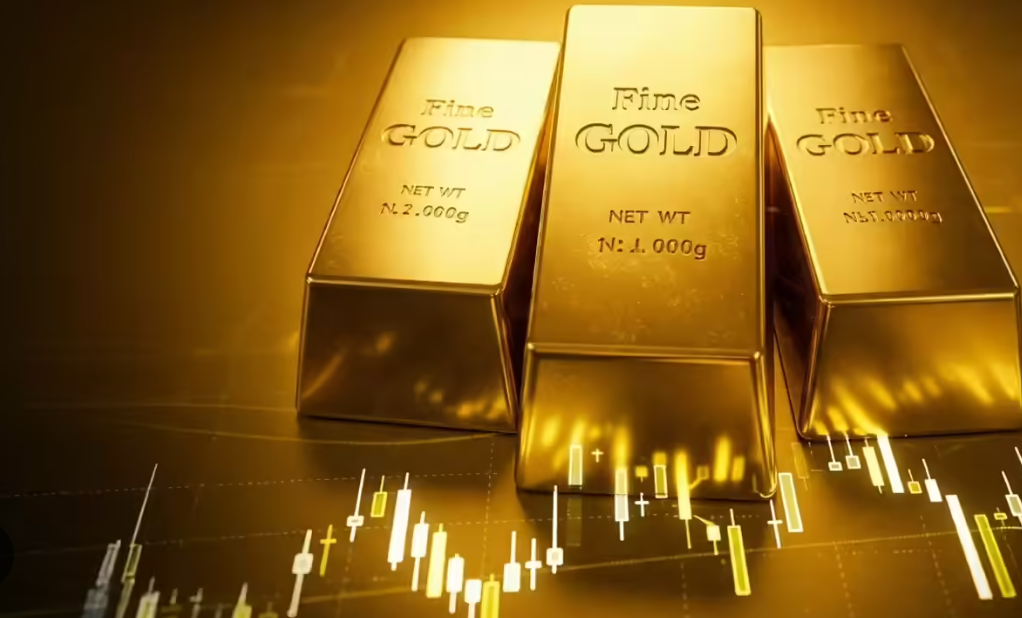
 Gold Prices Hit Worst Month Since 2013
Gold prices have recorded their weakest monthly performance in over a decade, reflecting a sharp shift in market sentiment as geopolitical tensions surrounding Iran continue to unfold. According to CNBC, published on 31 March 2026, gold prices are on track for their worst month since 2013, reversing what had previously been a strong rally earlier in the year.
Interestingly, this decline comes at a time when geopolitical uncertainty would typically support gold prices. Yet, markets are behaving differently. Investors appear to be reassessing traditional safe-haven strategies, particularly as currency movements and interest rate expectations begin to dominate the narrative.
Why Gold Prices Are Falling Despite Rising Tensions
At first glance, the situation may seem counterintuitive. Ongoing conflict involving Iran would usually push gold prices higher, as investors seek stability during uncertain periods. However, recent market dynamics suggest a more complex picture.
A key factor behind the decline in gold prices is the strength of the US dollar. As the dollar gains momentum, gold becomes more expensive for holders of other currencies. This naturally reduces demand and places downward pressure on gold prices.
Moreover, US Treasury yields have remained elevated. Higher yields tend to reduce the appeal of non-yielding assets like gold. Investors are increasingly drawn to fixed-income opportunities that offer returns, especially in a high-interest-rate environment.
Even in the presence of geopolitical risk, financial markets are prioritising yield and currency strength over traditional hedging behaviour.
Market Positioning and Profit-Taking Activity
Another important element influencing gold prices is positioning within the market itself. Over recent months, gold prices had surged significantly, reaching record highs earlier in 2026. This created conditions where many investors were sitting on substantial gains.
As tensions persisted without escalating into broader global disruption, some investors began to lock in profits. This wave of profit-taking contributed to the downward movement in gold prices.
In addition, hedge funds and institutional investors have reportedly reduced their bullish exposure to gold. Key indicators driving this shift include:
- A decline in net long positions in futures markets
- Reduced appetite for safe-haven assets amid stabilising inflation
- Increased allocation toward yield-bearing instruments
- Short-term profit realisation following months of strong gains
These factors together reinforce the idea that sentiment toward gold prices has shifted, at least in the short term.
The Role of Central Banks and Inflation Expectations
Gold prices are also closely linked to inflation expectations and central bank policies. In recent weeks, signals from the Federal Reserve have suggested that interest rates may remain higher for longer than previously anticipated.
Higher interest rates increase the opportunity cost of holding gold. As a result, gold prices often struggle in environments where monetary policy remains tight.
At the same time, inflation concerns have shown signs of stabilising in major economies. While inflation has not disappeared, it is no longer accelerating at the same pace. This reduces the urgency for investors to hold gold as an inflation hedge, further weighing on gold prices.
Geopolitics: A Changing Influence on Gold Prices
The Iran conflict remains a significant factor in global markets, particularly for energy prices and regional stability. However, its direct impact on gold prices appears to be more muted than in previous geopolitical crises.
Part of the explanation lies in market adaptation. Investors have become more selective in how they respond to geopolitical events. Not every conflict triggers a broad shift into safe-haven assets. Instead, markets are assessing the likelihood of wider economic disruption.
So far, the Iran situation, while serious, has not led to systemic shocks in global financial systems. As a result, gold prices have not received the level of support typically associated with geopolitical tensions.
A Shift in Safe-Haven Preferences
Another subtle but important development is the evolving nature of safe-haven assets. While gold remains a key store of value, it is no longer the only option available to investors seeking protection from volatility.
The following safe-haven alternatives have gained traction, diluting direct demand for gold and thereby suppressing gold prices:
- The US dollar, which continues to act as a primary safe haven during periods of uncertainty
- Short-term government bonds, attracting capital due to their yield advantage
- Defensive equities, offering both stability and income potential
This diversification of safe-haven strategies has diluted the traditional role of gold prices during times of crisis.
What This Means for the Gold Market
The recent decline in gold prices does not necessarily signal a long-term trend reversal. Instead, it highlights how multiple forces are interacting within today's market environment.
On one hand, geopolitical risks remain present. On the other, macroeconomic factors such as interest rates, currency strength, and investor positioning are exerting a stronger influence on gold prices than at any point in recent memory.
Going forward, the direction of gold prices will likely depend on several key variables:
- The trajectory of US monetary policy and any pivot signals from the Federal Reserve
- Developments in the Iran conflict and their broader economic implications
- Global inflation trends and their influence on real yields
- Shifts in institutional and retail investor positioning
For now, gold prices are navigating a period of adjustment. The traditional rules still apply, but they are being reshaped by a more complex and interconnected financial landscape.
A Broader Perspective on Market Behaviour
The current situation offers a useful reminder. Financial markets do not always respond in predictable ways. Relationships that once seemed stable can shift, especially when new variables enter the equation.
Gold prices, often seen as a straightforward hedge against uncertainty, are now influenced by a wider set of factors. Currency movements, interest rates, and evolving investor behaviour all play a measurable role in determining where gold prices move next.
According to CNBC, the current trajectory of gold prices reflects not a failure of gold as an asset, but rather a recalibration of how markets weigh competing risks and opportunities.
In that sense, the recent performance of gold prices is less about contradiction and more about evolution. Markets are adapting. So too must expectations surrounding what drives gold prices in an increasingly dynamic global economy.
