

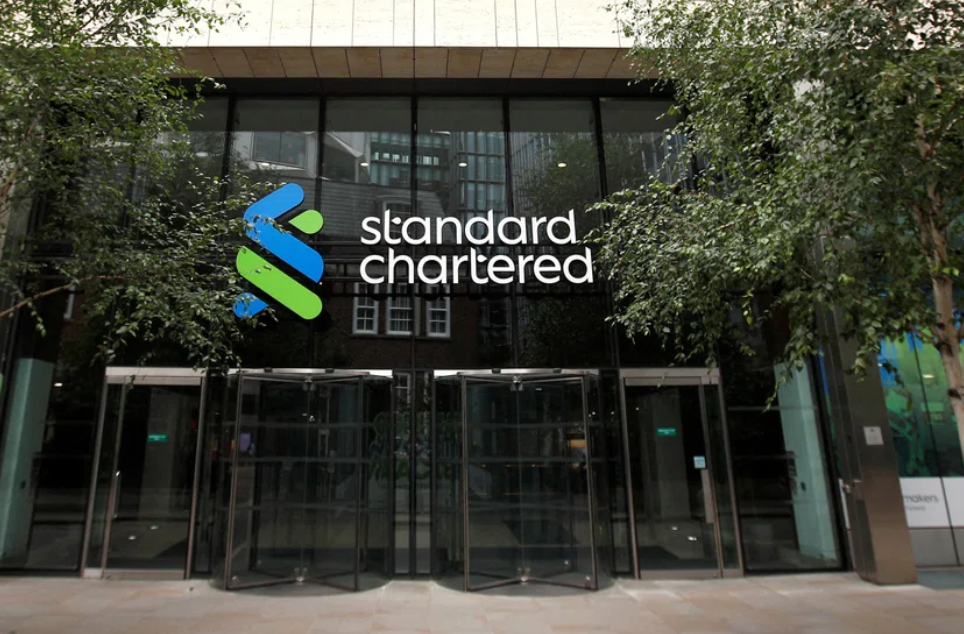
 Standard Chartered Launches $1.5bn Share Buyback After Finance Chief Exit
Standard Chartered Signals Capital Strength
Standard Chartered has unveiled a $1.5 billion share buyback programme, according to a report by the Financial Times published on 25 February 2026. The announcement arrives just weeks after the departure of the bank's finance chief, placing Standard Chartered firmly under the spotlight during a period of leadership transition and shifting investor expectations within the UK banking sector.
Share repurchase programmes often serve as a signal of balance sheet confidence and capital strength. In the case of Standard Chartered, the timing invites scrutiny. A buyback of this scale suggests that management views the bank's shares as attractively valued relative to long-term prospects. Institutions rarely commit billions to repurchases without strong conviction in their capital trajectory.
Standard Chartered appears keen to reassure investors that operational momentum remains intact despite recent leadership adjustments, according to the Financial Times.
Leadership Transition and Market Perception
Leadership changes at major banks often carry symbolic weight. The departure of Standard Chartered's finance chief naturally triggered speculation about strategic continuity and financial oversight. Yet the buyback announcement shifts the narrative decisively.
Rather than retreating into caution, Standard Chartered has opted for a proactive capital return measure. That decision may be interpreted as a deliberate effort to anchor investor confidence during a transitional phase. Markets tend to respond favourably when institutions demonstrate stability amid executive reshuffles.
Share Buybacks Across the Banking Sector
Standard Chartered is not alone in deploying buybacks. Across Europe and the UK, several banks have increased shareholder distributions as higher interest rates boosted net interest margins in recent years. However, the environment is shifting as central banks signal potential policy adjustments amid moderating inflation in some regions.
In that context, Standard Chartered's capital return strategy may be viewed as a recalibration ahead of changing rate dynamics. If interest rates soften more quickly than expected, profitability metrics across the banking sector could compress. Standard Chartered's decision to proceed with a $1.5bn buyback signals that management believes earnings resilience can be maintained even under evolving macroeconomic conditions.
- Higher interest rates have boosted net interest margins for major UK and European banks in recent years.
- Central banks are beginning to signal rate adjustments as inflation moderates in several key regions.
- Standard Chartered's buyback suggests confidence in sustaining profitability through this transition.
Financial Position and Strategic Direction
Standard Chartered has previously outlined ambitions to strengthen its wealth management and cross-border banking capabilities. The buyback announcement does not alter that strategic roadmap. Instead, it reinforces the view that capital generation remains sufficient to support both meaningful shareholder returns and continued business investment.
Analysts will examine upcoming earnings updates for further clarity. Key areas of focus are expected to include:
- Cost discipline and operational efficiency improvements
- Credit quality trends across Standard Chartered's loan book
- Exposure to emerging market volatility, particularly in Asia
- Capital ratio resilience following execution of the buyback
Standard Chartered's loan book composition, particularly in Asia, continues to be a central theme in valuation discussions. Investors will want confirmation that Standard Chartered can maintain regulatory buffers comfortably even after the buyback programme is fully executed.
Investor Reaction and Market Context
Initial market reaction to Standard Chartered's announcement appears measured. Equity investors are balancing optimism about capital returns with caution linked to the recent leadership change and broader banking sector uncertainties. A buyback can provide meaningful short-term support; sustained performance, however, requires consistent earnings delivery over time.
The central question markets are now asking is whether Standard Chartered's $1.5bn repurchase represents a genuine display of financial strength or a tactical reassurance during executive transition. The distinction carries real weight for long-term valuation and investor confidence.
A Broader Reflection on Confidence and Strategy
Standard Chartered's buyback announcement arrives at a moment when global financial markets are recalibrating expectations around growth, inflation, and central bank policy. In such an environment, decisive capital actions can meaningfully shape perception and investor sentiment.
By committing to a significant repurchase programme shortly after the departure of its finance chief, Standard Chartered is sending a clear signal about its capital framework and operational continuity. The bank's leadership appears intent on projecting stability and strategic clarity rather than allowing a period of internal adjustment to cloud the broader investment narrative.
Markets will now watch for confirmation through earnings consistency, asset quality resilience, and disciplined execution. In banking, as in all financial institutions, credibility compounds over time. Standard Chartered's next earnings disclosures will be the true test of whether this bold capital return decision reflects enduring financial strength or short-term reassurance.
