

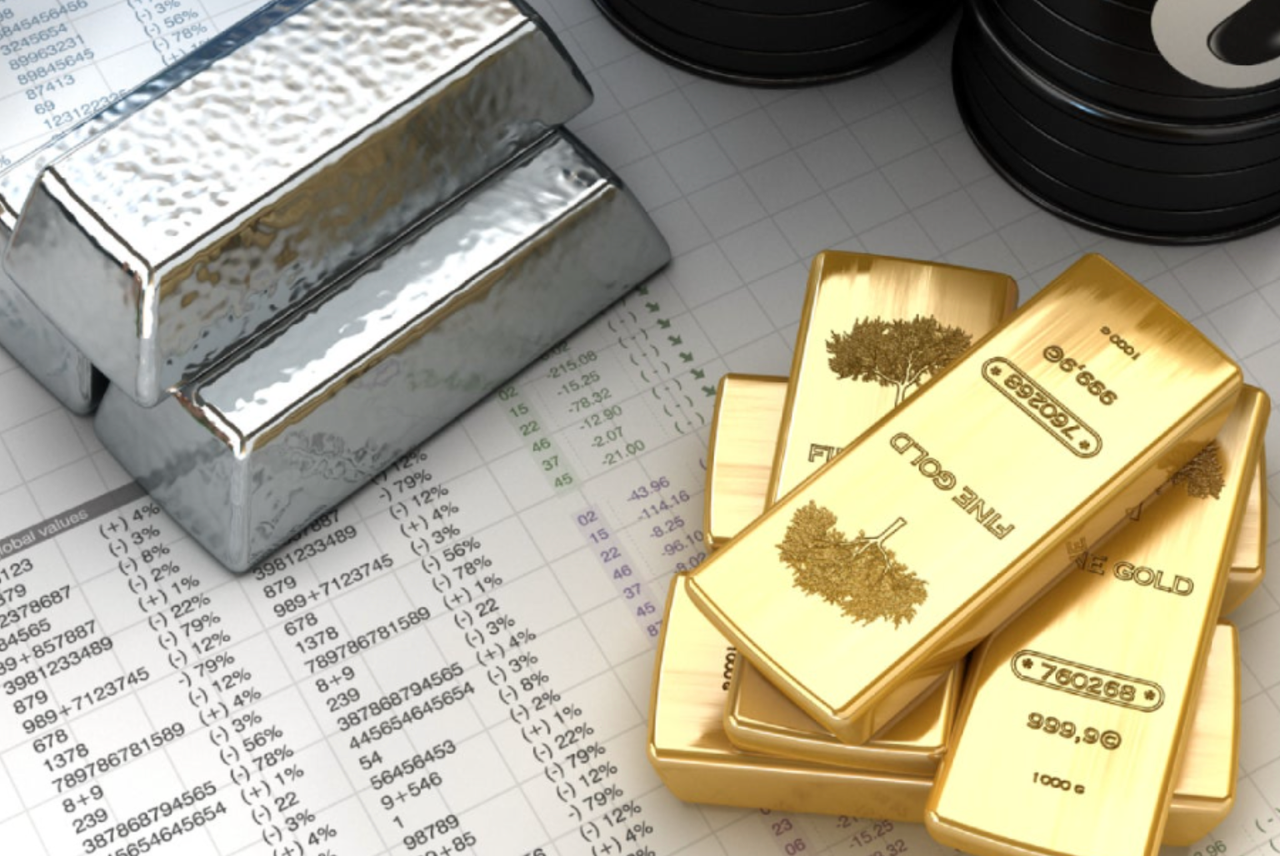
 Gold Futures Reclaim $5,000 Mark
Gold Futures Break Through Psychological Threshold
Gold futures have once again moved decisively above the $5,000 level, marking a notable moment for the commodities market. According to MarketWatch reporting published on 10 February 2026, gold futures for April delivery settled firmly above this psychological threshold, supported by a weaker U.S. dollar and renewed investor demand for defensive assets. The move highlights a broader reassessment of risk across global markets.
The return of gold futures to this level is not a routine fluctuation. It reflects deeper forces shaping capital allocation, particularly as confidence in fiat currencies shows signs of strain. Investors appear increasingly focused on preserving value rather than chasing yield, and gold futures are once again at the center of that conversation.
Dollar Weakness Propels Gold Futures Rally
One of the primary drivers behind the rally in gold futures has been the continued softness in the U.S. dollar. The dollar index has hovered near multi-year lows, reducing the relative cost of gold for international buyers. This currency dynamic has historically provided a tailwind for gold futures, and the current environment is no exception.
The relationship between gold futures and the dollar has become more pronounced as macro uncertainty persists. Several factors are pressuring the greenback:
- Concerns around fiscal sustainability
- Heightened geopolitical risk
- Shifting interest rate expectations
- Reduced confidence in fiat currency stability
As the dollar weakens, gold futures gain renewed appeal as an alternative store of value. Market participants are responding accordingly. Trading volumes in gold futures have picked up, suggesting that institutional interest is returning rather than fading.
Safe-Haven Demand Resurfaces in Gold Futures
Gold futures have long served as a barometer of investor anxiety. The recent move above $5,000 suggests that defensive positioning is gaining traction once again. Equity markets remain volatile, and while risk assets continue to attract capital, there is a growing desire for balance within portfolios.
The resurgence in gold futures is occurring even as global equity indices remain near elevated levels. This combination implies that investors are not exiting risk entirely, but they are hedging more actively than before.
Central bank activity has also played a role in supporting gold futures. Continued gold purchases by several monetary authorities have reinforced the perception that gold futures remain relevant in a shifting monetary landscape. Such demand adds structural support to prices over time.
Inflation Hedge Drives Long-Term Gold Futures Positioning
Inflation remains a central concern for markets, even as headline figures fluctuate. Gold futures are often viewed as a long-term hedge against purchasing power erosion. While inflation has moderated in some regions, underlying pressures tied to supply chains, energy markets, and fiscal policy remain unresolved.
As a result, longer-term investors appear increasingly comfortable maintaining exposure to gold futures. This positioning is less about short-term price swings and more about preserving capital over extended cycles. In that sense, the current rally reflects strategic intent rather than speculative excess.
Technical Analysis and Market Psychology
From a technical perspective, reclaiming the $5,000 level carries significance for gold futures. Psychological price points often influence trader behavior, and gold futures moving above this threshold may attract additional momentum-driven flows. That said, volatility should not be discounted.
Short-term pullbacks remain possible, particularly if macro data surprises or central bank messaging shifts. Still, the broader structure appears constructive. Buyers have demonstrated a willingness to step in on dips, reinforcing the notion that gold futures are being accumulated rather than traded opportunistically.
This behavior suggests a market that is increasingly comfortable with higher price regimes for gold futures.
Implications for Broader Commodities Markets
The strength in gold futures may also have implications for the broader commodities complex. Precious metals often set the tone for defensive commodities, and their performance can influence sentiment toward related assets such as silver.
At the same time, gold futures reclaiming key levels serves as a reminder that commodities remain sensitive to macro narratives. Currency trends, policy decisions, and geopolitical developments continue to shape price action across the sector.
For now, gold futures appear to be benefiting from a convergence of supportive factors rather than a single catalyst.
Market Psychology Shift Reflected in Gold Futures
The return of gold futures above $5,000 underscores a shift in market psychology. Risk appetite has not disappeared, but caution is clearly resurfacing. Investors are recalibrating portfolios to account for uncertainty that feels less temporary and more structural.
Gold futures are once again serving their traditional role—not as a speculative trade, but as a signal. A signal that confidence, while intact, is being tested. The sustained interest in gold futures reflects a market environment where preservation of wealth has become as important as wealth generation.
As global markets navigate persistent uncertainty, gold futures remain a critical component of diversified investment strategies and a key indicator of underlying market sentiment.
