

بینشهای بازار
Hormuz Oil Supply Crisis Puts Pressure on Asia as Supply Gets Tight
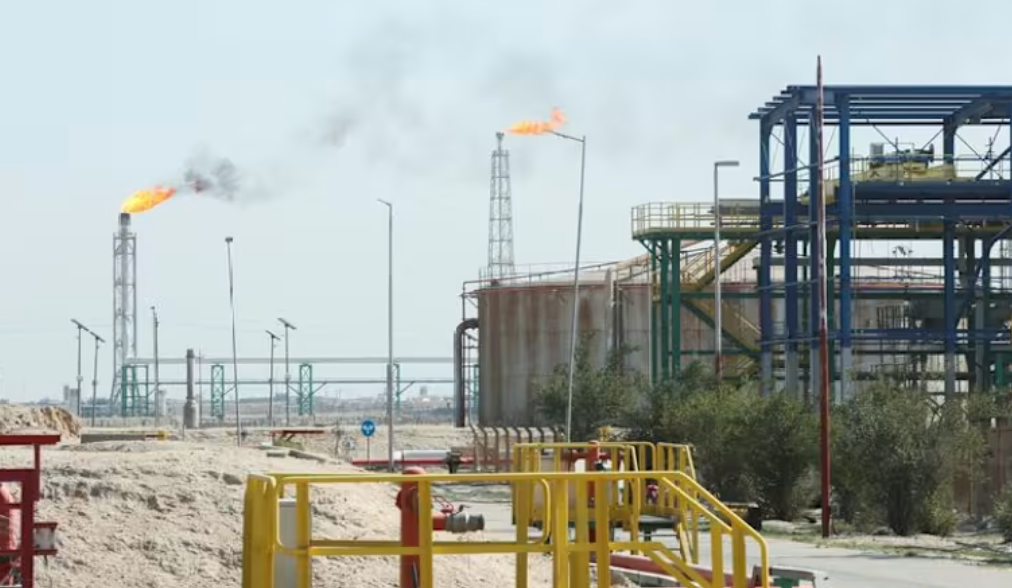 Oil Supply Crisis: Hormuz Impact on Asia
The Growing Hormuz Oil Supply Crisis
The oil supply crisis centered on the Strait of Hormuz has intensified, placing Asia's energy markets under growing strain as alternative supply options become increasingly limited. Reports published on April 22, 2026, indicate that disruptions linked to the Strait of Hormuz are now affecting major oil buyers across Asia, with ripple effects spreading through global markets. According to Bloomberg, the current situation represents a significant challenge to energy stability.
At first glance, the situation may appear familiar. Supply disruption leads to rising prices. Yet the current oil supply crisis carries a sharper edge. This time, the shortage of viable alternatives is amplifying the pressure. That distinction matters significantly in understanding market dynamics.
Interestingly, the market response has not been uniform. While oil prices have moved higher, underlying volatility suggests that traders are still reassessing the scale of the disruption and its potential duration. The oil supply crisis has created an environment of cautious optimism tempered by genuine concern.
Why the Oil Supply Crisis Matters for Global Energy
The oil supply crisis is rooted in geography. The Strait of Hormuz remains one of the most critical energy chokepoints in the world, handling a substantial share of global oil exports. When flows are restricted, the impact is immediate and far-reaching. According to Reuters, approximately one-third of seaborne traded oil passes through this strategic waterway.
Asia, as the largest importing region, feels this pressure most directly. Countries such as China, Japan, South Korea, and India rely heavily on Middle Eastern crude. When shipments slow or halt, the search for alternatives begins. This oil supply crisis directly threatens the energy security of some of the world's largest economies.
Let that sink in. Replacing such volumes is not straightforward. Alternative routes exist, yet capacity is limited. Other suppliers can step in, though often at higher costs and longer delivery times. This is where the oil supply crisis becomes more than a short-term disruption. It evolves into a structural concern.
Asia's Challenge to Secure Alternative Supplies During the Oil Supply Crisis
The challenge facing Asia during the oil supply crisis is twofold. First, securing replacement barrels. Second, doing so without significantly increasing costs. Some refiners have turned to suppliers in the United States, West Africa, and Latin America. These sources offer diversification, yet logistical constraints remain.
Shipping distances are longer. Freight rates are higher. Delivery timelines are less predictable. The oil supply crisis has made these logistical challenges more acute than ever before. Meanwhile, competition for available cargoes has intensified. Buyers are bidding more aggressively to secure supply, pushing prices upward.
The result is a tightening market where flexibility becomes increasingly valuable. There is also the question of quality. Not all crude oil is interchangeable. Refineries are designed to process specific grades, which limits substitution options during this oil supply crisis.
The oil supply crisis has revealed structural vulnerabilities in global energy markets that extend far beyond temporary supply interruptions.
Oil Prices and Market Reaction to the Oil Supply Crisis
The oil supply crisis has already influenced oil prices significantly. Brent and WTI benchmarks have edged higher as supply concerns build. However, price movements have been measured rather than explosive. Why the restraint? Markets are balancing immediate disruption against expectations of eventual stabilization. Strategic reserves, production adjustments, and diplomatic developments all play a role in shaping sentiment during this oil supply crisis.
According to CNBC, traders are carefully monitoring developments on multiple fronts. Gold has also entered the conversation, supported by its traditional role during geopolitical uncertainty. At the same time, equity markets have shown signs of caution, particularly in sectors sensitive to energy costs.
Currency markets add another layer of complexity to the oil supply crisis dynamics. Oil-importing economies in Asia may face pressure on their currencies if energy costs rise further. Conversely, energy-exporting nations could see temporary support from elevated commodity prices.
Energy Security and Policy Responses to the Oil Supply Crisis
The oil supply crisis is prompting governments to revisit energy security strategies. Strategic petroleum reserves are under scrutiny. Some countries may consider releasing stockpiles to ease short-term pressure. According to the Financial Times, government coordination has become critical in managing the oil supply crisis effectively.
Longer-term considerations are also emerging. Diversification of supply sources, investment in alternative energy, and infrastructure development are likely to gain renewed attention. Interestingly, this oil supply crisis highlights a broader trend. Energy security is no longer viewed solely through the lens of supply availability. Resilience, flexibility, and adaptability are becoming equally important.
Central banks are also watching closely during the oil supply crisis. Rising energy costs can influence inflation expectations, which in turn affect monetary policy decisions. The ripple effect extends beyond energy markets into the broader financial system.
Broader Economic Impact of the Oil Supply Crisis
The oil supply crisis carries implications beyond the energy sector. Higher oil prices can influence transportation costs, manufacturing expenses, and ultimately consumer prices. For Asia, where industrial activity is closely tied to energy consumption, the stakes are particularly high.
Sustained increases in oil prices could weigh on growth prospects, especially in import-dependent economies. The oil supply crisis threatens to slow economic expansion across the region. Global trade flows may also adjust. Shipping routes could shift. Supply chains may adapt. Yet such changes take time, and markets tend to react faster than infrastructure can evolve.
- Oil supply crisis impacts transportation costs
- Energy prices influence manufacturing expenses
- Consumer prices reflect elevated commodity costs
- Economic growth prospects face headwinds
- Trade flows adapt to market conditions
There is also a psychological element. Uncertainty itself can influence investment decisions, leading to cautious behavior across financial markets during the oil supply crisis.
Key Factors Shaping the Oil Supply Crisis Outcome
Several critical factors will determine how the oil supply crisis evolves over coming weeks. The duration of supply disruptions remains paramount. The availability of alternative sources influences price trajectories. Geopolitical developments can shift market expectations. Strategic policy responses affect market stability.
The following elements warrant close monitoring:
- Duration of the oil supply crisis and any supply disruptions
- Effectiveness of strategic reserves deployment
- Progress on diplomatic resolution efforts
- Alternative supply source availability and costs
- Market sentiment and trader positioning
Each of these variables interacts with others, creating complex dynamics that shape outcomes during the oil supply crisis.
A Critical Moment Requiring Sustained Attention
The oil supply crisis serves as a reminder of how interconnected global systems remain. A disruption in one region can cascade across continents, affecting prices, policies, and expectations. Markets are currently in a phase of assessment regarding the oil supply crisis.
Traders are weighing risks, monitoring developments, and adjusting positions accordingly. The key variable remains duration. Short disruptions can be managed. Prolonged instability presents a more complex challenge. The oil supply crisis will likely shape energy markets for months to come.
For now, attention remains firmly fixed on the Strait of Hormuz and its surrounding developments. The outcome will shape not only oil markets but also the broader economic landscape in the weeks ahead. The oil supply crisis represents a test of global energy resilience and policy coordination capabilities.
DISCLAIMER: Derivative products carry high risk and may result in the loss of your entire invested capital. Before trading, ensure you fully understand the legal framework, product characteristics, and your broker’s trading rules. Always trade responsibly and with caution.
RISK WARNING: Margin trading with leverage is not suitable for all investors due to its high risk. THERE ARE NO GUARANTEED RETURNS in trading. Beware of any claims promising assured profits. Only use capital you can afford to lose. Before engaging in any transaction, ensure you understand the risks and assess both your experience and risk tolerance.
