

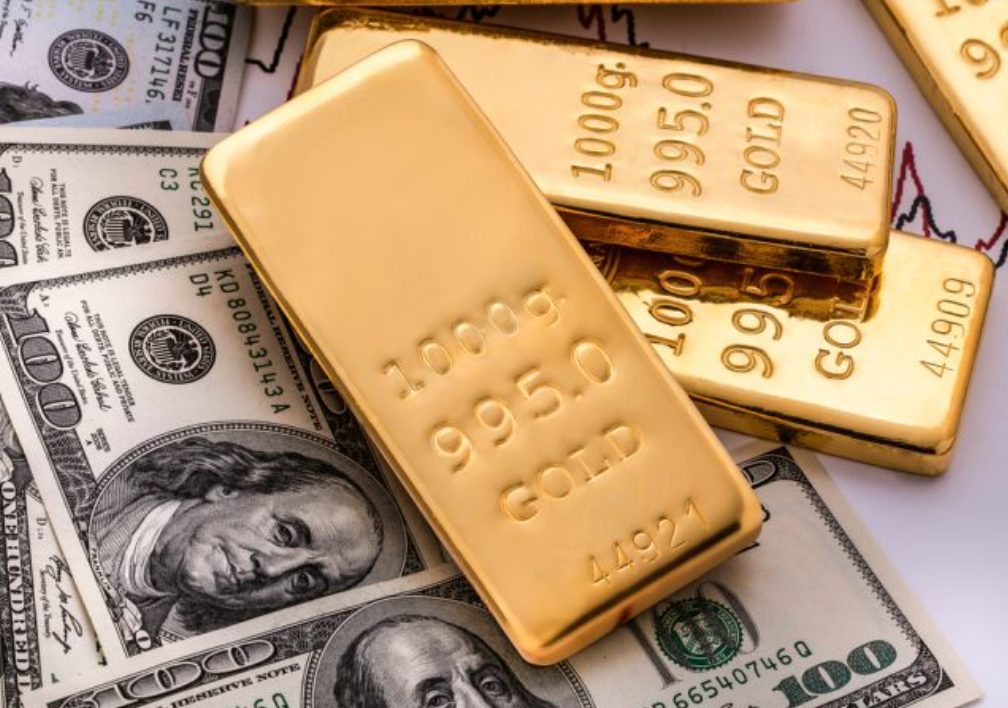
 Gold Steady as Dollar Weakens: Market Update
Gold markets showed limited movement on 17 March 2026, with gold steady in early trading as the US dollar softened slightly. The precious metal has recently faced a complex mix of forces. On one side, weaker currency conditions tend to support bullion prices. On the other, cautious investor sentiment and evolving monetary policy expectations continue to shape the outlook.
According to recent coverage from Yahoo Finance, traders remain focused on signals from global economic data and central bank commentary. In this environment, gold steady price behaviour reflects a market waiting for clearer direction rather than reacting to a single catalyst.
Interestingly, the stability seen in bullion prices highlights a broader theme currently present across financial markets. Investors appear to be balancing concerns about economic growth with expectations around interest rates and inflation trends.
Dollar Weakness Provides Mild Support
The primary factor behind the gold steady movement appears to be a softer US dollar. The dollar index, which tracks the greenback against a basket of major currencies, eased modestly during recent trading sessions.
A weaker dollar typically makes gold cheaper for buyers holding other currencies. As a result, global demand can increase, helping to keep gold steady or even push prices higher. Market participants often view this relationship as one of the key drivers of short-term bullion movements.
At the same time, the impact has not been dramatic. Traders are aware that currency fluctuations alone rarely determine the long-term trend for gold. Instead, they often interact with other macroeconomic variables such as bond yields, inflation expectations, and geopolitical developments.
Investors Monitor Interest Rate Signals
Another important influence keeping gold steady is the ongoing debate surrounding interest rates. Central banks, particularly the US Federal Reserve, remain at the centre of investor attention.
Higher interest rates tend to reduce the appeal of gold. The reason is straightforward:
- Gold does not provide yield, unlike bonds or savings instruments.
- When interest rates rise, holding gold becomes less attractive from an income perspective.
- Conversely, when rate expectations ease, bullion often finds renewed support.
Yet the situation in 2026 remains nuanced. Inflation has moderated in several major economies, but policymakers remain cautious. Any indication that the Federal Reserve may slow down tightening measures could reinforce gold steady momentum or potentially support further gains.
Market analysts therefore continue to examine economic releases such as employment data, inflation readings, and consumer spending indicators. Each of these reports has the potential to shift expectations and influence how long gold steady conditions might persist.
Safe Haven Demand Remains in Focus
Gold has long been recognised as a safe haven asset. During periods of uncertainty, investors frequently turn to the metal as a store of value. In recent months, global markets have faced several sources of instability:
- Geopolitical tensions in key regions
- Energy market volatility affecting production costs
- Uneven economic recovery patterns across major economies
Within that context, gold steady price action may actually signal underlying resilience. Rather than falling sharply amid market volatility, the metal has managed to maintain relatively stable levels.
This dynamic suggests that a base level of demand continues to exist. Portfolio managers, hedge funds, and even central banks often maintain exposure to gold as part of broader diversification strategies.
Central bank purchases of gold have remained significant in recent years. Emerging market economies have steadily increased their bullion reserves as part of efforts to diversify away from traditional currency holdings.
According to Bloomberg, these structural demand trends provide another reason analysts believe gold steady price patterns could persist in the near term. Institutional accumulation has acted as a consistent floor beneath bullion prices even during periods of investor uncertainty.
Market Outlook and Key Data Ahead
Looking ahead, several factors may determine whether gold steady conditions evolve into stronger price momentum. Economic data releases scheduled over the coming weeks will play a central role.
- Inflation reports from the United States and Europe
- Employment statistics influencing Federal Reserve guidance
- Central bank policy statements shaping rate expectations
- Bond yield movements affecting gold's relative attractiveness
Bond yields also remain a critical variable. When yields rise sharply, gold prices often face downward pressure. Conversely, declining yields tend to support bullion demand. Commodity analysts therefore continue to track these indicators closely.
Short-term volatility cannot be ruled out. However, the current gold steady environment suggests that traders are waiting for confirmation before committing to stronger directional bets.
For now, the market appears to be in a holding pattern. Gold has neither surged dramatically nor retreated significantly. Instead, the precious metal remains anchored by a delicate balance of currency movements, economic expectations, and safe haven demand.
Market Context and Analyst Perspective
The present phase of gold steady pricing reflects broader investor caution. Currency movements, interest rate expectations, and geopolitical developments remain intertwined forces shaping the global commodity landscape.
According to Bloomberg, analysts emphasise the importance of monitoring both macroeconomic indicators and central bank communication. These signals will likely determine whether the gold steady trend evolves into a stronger bullish or bearish phase in the months ahead.
The resilience of bullion prices at current levels is interpreted by many market observers as a sign that structural demand factors remain firmly in place. Until a decisive catalyst emerges, gold steady behaviour is expected to characterise near-term trading conditions.
