

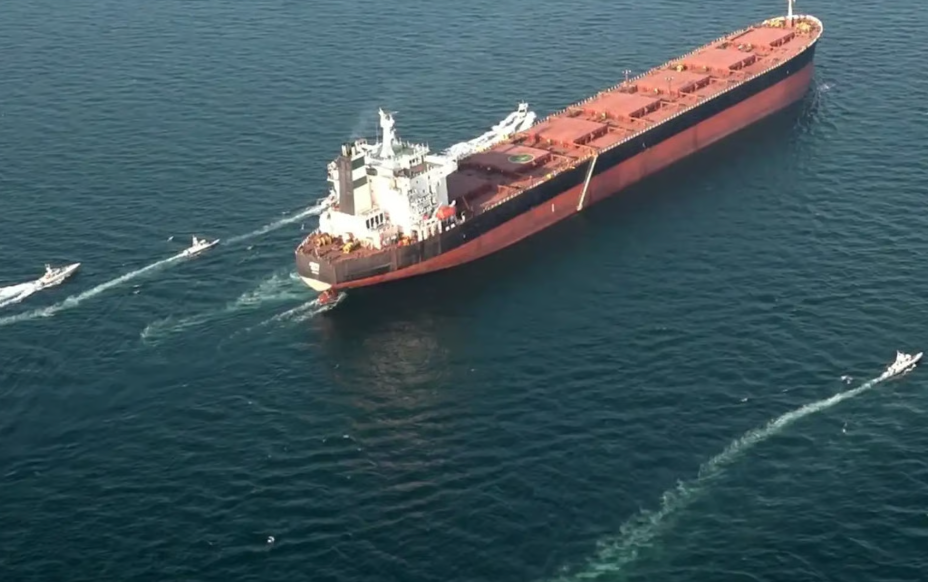
The movement of Japan-linked ships through the Strait of Hormuz has once again drawn the attention of global markets after several vessels reportedly travelled in convoy while following routes close to Iran's coastline. The operation reflects the heightened caution adopted by shipping companies following weeks of geopolitical tensions across the Middle East, where maritime security remains a critical concern for energy markets.
According to industry reports cited by Insurance Journal, Japan-linked commercial vessels recently coordinated their transit through one of the world's busiest oil shipping lanes under enhanced safety arrangements. Although the passage was completed without major incidents, the development highlights the continuing sensitivity surrounding global energy transportation.
Interestingly, shipping patterns have become almost as closely watched as crude oil inventories. Investors increasingly recognise that even small operational changes in major shipping routes can influence market sentiment.
Why Japan-Linked Ships Are Travelling in Convoys
The recent convoy involving Japan-linked ships reflects growing efforts by shipping operators to minimise risk while navigating the Strait of Hormuz.
Following recent military tensions involving Iran and Israel, commercial shipping companies have reassessed their operational procedures. Many operators are adopting additional safety measures, including:
- Coordinated vessel movements
- Revised sailing schedules
- Alternative routing where practical
According to the report, several Japan-linked ships travelled near Iranian territorial waters as part of a carefully coordinated convoy designed to reduce security risks during transit.
Although such measures are uncommon during normal market conditions, they become increasingly important whenever geopolitical uncertainty rises.
Why the Strait of Hormuz Matters
The Strait of Hormuz remains one of the world's most strategically important maritime corridors.
Roughly one-fifth of global oil consumption passes through this narrow waterway, linking major oil-producing countries in the Gulf with customers across Asia, Europe, and other international markets.
Any disruption, whether caused by military conflict, political tensions, or shipping incidents, can quickly influence global energy prices. The latest movements by Japan-linked ships serve as another reminder that investors continue monitoring developments in the region even after immediate military tensions have eased.
Let that sink in. Oil markets do not require a complete supply interruption to become nervous. The possibility of disruption alone can influence pricing expectations.
Maritime Safety Remains a Priority
Shipping companies have become increasingly cautious when operating in higher-risk regions.
The convoy involving Japan-linked ships demonstrates how commercial operators are balancing business continuity with crew safety and cargo protection.
Marine insurers, shipping associations, and government agencies continue issuing updated guidance for vessels operating near the Strait of Hormuz.
Impact on Global Oil Markets
The movement of Japan-linked ships has broader implications because Japan remains one of the world's largest energy importers.
Stable shipping routes are essential for ensuring uninterrupted deliveries of crude oil, liquefied natural gas, and refined petroleum products. If maritime risks increase significantly, freight costs could rise, adding further pressure to global energy prices.
At present, oil markets remain focused on balancing several competing factors:
- OPEC+ continues increasing production targets
- Geopolitical developments continue introducing uncertainty into global supply chains
This combination creates an environment where traders monitor both physical oil production and transportation logistics with equal attention.
Insurance Costs and Supply Chains
The recent transit by Japan-linked ships also highlights the role of marine insurance.
Periods of heightened geopolitical tension often result in higher war risk premiums for vessels entering sensitive regions. These additional costs are ultimately absorbed by shipping companies, cargo owners, or energy buyers.
Insurance markets therefore become an important part of the overall supply chain equation. Higher transportation expenses can gradually affect commodity pricing, particularly if elevated risk conditions persist for extended periods.
Although the recent convoy completed its journey safely, insurers continue evaluating the regional security environment carefully.
Investors Continue Monitoring Geopolitical Risks
Financial markets generally react quickly to developments involving major shipping routes.
The latest voyage by Japan-linked ships arrives shortly after investors had begun reassessing geopolitical risks following temporary improvements in regional stability.
Currency markets, energy equities, and commodity futures often respond whenever concerns emerge regarding the security of critical trade routes.
At the same time, investors recognise that actual supply disruptions remain limited. This distinction is important.
Market sentiment can change rapidly based on headlines, while underlying physical oil flows may continue largely uninterrupted. Understanding that difference helps explain why oil prices sometimes move sharply even when production volumes remain unchanged.
A Reminder of Global Supply Chain Fragility
The latest journey involving Japan-linked ships illustrates how closely financial markets now monitor maritime logistics alongside traditional economic indicators.
Shipping companies have demonstrated their ability to adapt operational procedures during periods of geopolitical uncertainty. Coordinated convoys, enhanced security measures, and revised sailing routes help reduce immediate risks while allowing international trade to continue.
Even so, the Strait of Hormuz remains one of the world's most closely watched energy corridors. As long as geopolitical tensions remain part of the regional landscape, investors will continue following developments involving commercial shipping with considerable interest.
For commodity markets, the safe passage of vessels is more than a transportation story. It remains a critical factor influencing energy security, supply chain resilience, and broader market confidence.
