

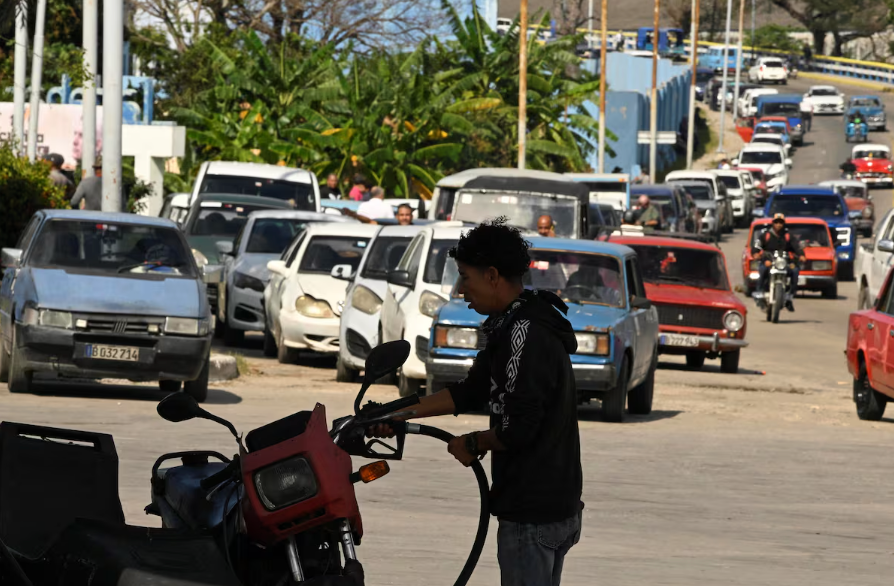
 Cuba Fuel Shortage Reaches Critical Levels
Cuba is facing one of its most severe energy shortages in recent years after government officials confirmed the country has effectively run out of diesel and fuel oil supplies. The Cuba fuel shortage announcement immediately drew international attention because it highlights the growing pressure smaller economies face within an increasingly fragile global energy environment. Energy markets, already dealing with geopolitical uncertainty and supply chain concerns, are now watching closely to see how the situation develops across the Caribbean region.
According to Reuters, Cuban Energy Minister Vicente de la O Levy stated that the country no longer has sufficient diesel and fuel oil reserves to maintain stable nationwide operations. The remarks underscored the seriousness of the current Cuba fuel shortage and raised concerns about electricity generation, transportation, and industrial activity across the island.
Global Context and Energy Market Impact
The latest developments arrive at a time when global oil markets are already experiencing heightened volatility. Oil traders have spent much of 2026 responding to geopolitical risks, changing trade flows, sanctions, and weakening global demand forecasts. The Cuba fuel shortage now adds another example of how political tensions and energy supply restrictions can quickly evolve into broader economic crises.
Interestingly, this crisis reflects a larger pattern emerging across global energy markets. Energy security has once again become a central concern for many governments, with countries increasingly aware that fuel access can quickly become tied to political disputes and shifting global alliances.
Economic Consequences of the Crisis
For Cuba, the issue goes beyond temporary shortages. Fuel imports are critical for the country's power generation infrastructure, public transportation system, and manufacturing operations. Without stable diesel and fuel oil supplies, daily economic activity becomes increasingly difficult to sustain. Blackouts, transportation delays, and industrial slowdowns could become more widespread if supplies are not restored soon.
The Cuba fuel shortage impacts an economy of more than 11 million people now confronting severe energy limitations at a time when global fuel markets remain highly unpredictable. Some analysts believe prolonged shortages could eventually affect tourism activity, one of Cuba's most important economic sectors, as fuel shortages often lead to transportation disruptions and logistical difficulties.
US Sanctions and Policy Implications
The Cuban government has blamed US sanctions and oil restrictions for worsening the situation. Officials argued that financial and logistical obstacles linked to US policy have significantly reduced Cuba's ability to secure reliable fuel shipments from international suppliers. This perspective underscores how the Cuba fuel shortage connects to broader diplomatic tensions between the nations.
"The Cuba fuel shortage reflects not only immediate supply challenges but also deeper structural issues within the country's economy and energy infrastructure," according to energy sector analysts examining the crisis.
Structural Weaknesses and Infrastructure Challenges
Analysts noted that the Cuba fuel shortage also reflects deeper structural weaknesses within the country's economy and energy infrastructure. Cuba has long relied on imported fuel to support domestic electricity production. However, reduced support from key partners, combined with financial strain and aging infrastructure, has made the system increasingly vulnerable to external shocks.
Several energy experts believe the current crisis may force Cuba to intensify negotiations with alternative fuel suppliers. Countries such as Venezuela and Russia have historically played important roles in supporting Cuba's energy needs, although recent supply flows have reportedly remained inconsistent.
International Negotiations and Future Solutions
For now, Cuban authorities are reportedly working to secure additional fuel shipments while implementing emergency measures to stabilize essential services. However, uncertainty remains high regarding how quickly normal supply conditions can return. Key areas of focus include:
- Securing fuel shipments from alternative suppliers
- Implementing emergency conservation measures across sectors
- Negotiating diplomatic resolutions with international partners
- Stabilizing essential services during the crisis period
Market and Geopolitical Implications
The broader market reaction has been relatively cautious so far, partly because Cuba represents a smaller share of global oil demand. However, the situation still matters from a geopolitical and humanitarian perspective. Commodity traders are closely monitoring whether additional disruptions across the region could influence shipping activity, regional fuel availability, or diplomatic tensions related to the Cuba fuel shortage.
Currency markets and emerging market investors are also paying attention to developments. Prolonged energy instability in developing economies can sometimes increase broader regional financial risks, especially when combined with inflationary pressures and limited foreign reserves.
Interconnected Global Energy Systems
Energy economists noted that the Cuba fuel shortage serves as another reminder of how interconnected global commodity markets have become. Even localized energy disruptions can carry broader implications for regional stability, investor confidence, and supply chain reliability.
Ongoing Developments and What's Next
The situation continues evolving rapidly, and markets will likely remain attentive to further announcements regarding fuel deliveries, international negotiations, and the broader geopolitical environment surrounding Cuba's energy sector. The Cuba fuel shortage remains a critical concern for policymakers, investors, and humanitarian organizations monitoring the situation.
As the crisis unfolds, the international community watches to see whether diplomatic channels, alternative trade agreements, or structural reforms can help resolve this pressing energy challenge facing the Caribbean nation.
