

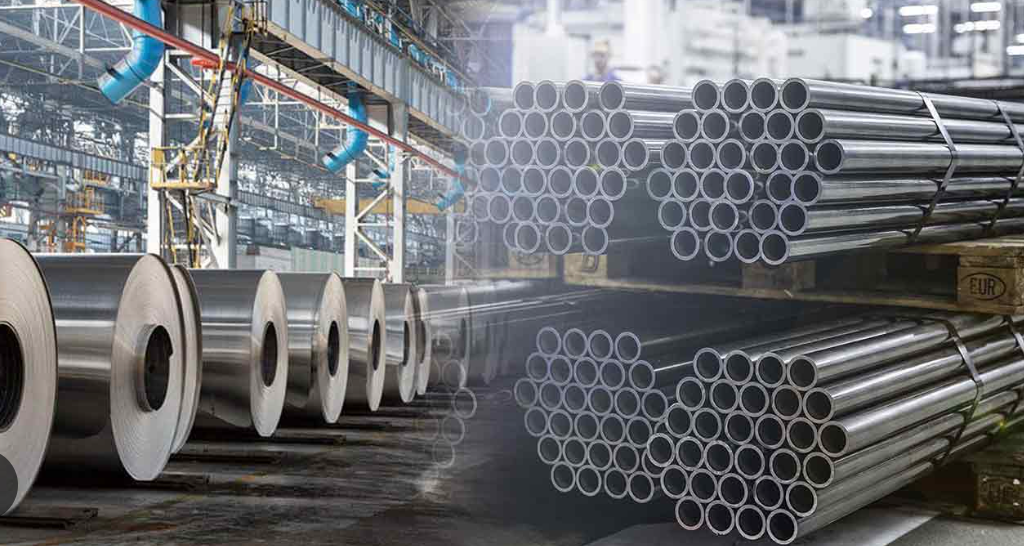
 Aluminium Market Stays Strong Despite Middle East Tensions
The global aluminium market is under pressure. Yet it is holding firm.
Recent developments linked to escalating tensions in the Middle East have sent ripples across commodity markets. Aluminium, a metal deeply tied to energy costs and industrial demand, has found itself at the center of attention. Reports from Yahoo Finance highlight how the global aluminium market has been shaken, but not broken.
Interestingly, this resilience tells a broader story about how modern supply chains adapt under stress.
Initial Shock Waves Across the Aluminium Market
When geopolitical tensions intensify, commodities react quickly. Aluminium is no exception. The global aluminium market experienced immediate volatility as concerns over energy supply disruptions surfaced.
Why does energy matter so much here?
Aluminium production is highly energy-intensive. Smelters rely heavily on stable electricity supplies, often sourced from regions vulnerable to geopolitical risks. As tensions in the Middle East escalated, fears emerged that energy prices could rise again.
As a result, the global aluminium market saw price fluctuations. Traders moved cautiously. Some positioned for supply shortages, while others anticipated demand adjustments.
Yet the reaction, while noticeable, remained controlled.
Supply Chains Show Unexpected Strength
One of the most striking aspects of the current situation is how the global aluminium market continues to function despite disruptions.
Supply chains have evolved. Over the past few years, producers and consumers have diversified sourcing strategies. This has reduced reliance on any single region, even one as critical as the Middle East.
A region once capable of triggering severe global supply shocks is now only part of a more complex network.
Producers in regions such as China, Australia, and Canada have maintained output levels. At the same time, recycling efforts have increased, providing an additional buffer against raw material shortages.
This combination has helped stabilize the global aluminium market, even as uncertainty lingers.
Demand Remains a Key Balancing Factor
Supply is only one side of the equation. Demand plays an equally important role.
The global aluminium market continues to benefit from steady demand across sectors such as:
- Construction
- Automotive
- Renewable energy
Lightweight materials remain essential for electric vehicles. Infrastructure projects continue in key economies.
However, there are nuances.
Some analysts suggest that demand growth may moderate if global economic conditions weaken. Rising interest rates, slower industrial activity, and cautious corporate spending could limit upside momentum.
Even so, the current balance between supply and demand has prevented sharp price spikes. The global aluminium market remains stable, though sensitive to new developments.
Energy Costs and Their Influence on Aluminium Prices
Energy prices remain a central variable. Aluminium smelting consumes vast amounts of electricity, making production costs highly sensitive to energy fluctuations.
As tensions in the Middle East influence oil and gas markets, the impact filters through to metals. Higher energy costs can lead to reduced output, particularly in regions where margins are already tight.
Yet, the global aluminium market has adapted. Some producers have secured long-term energy contracts. Others have shifted towards renewable energy sources, reducing exposure to fossil fuel volatility.
This transition, while gradual, is reshaping the cost structure of aluminium production.
Market Sentiment Reflects Cautious Optimism
Investor sentiment toward the global aluminium market appears measured.
There is recognition of the risks:
- Geopolitical uncertainty has not disappeared
- Supply disruptions remain a possibility
- Energy markets could shift rapidly
At the same time, there is confidence in the system's resilience. The ability of the global aluminium market to absorb shocks without severe dislocation is noteworthy.
A Market Defined by Adaptation
The current environment highlights a broader theme. Markets today are not static. They evolve, adjust, and respond to new realities.
The global aluminium market demonstrates this clearly. Faced with geopolitical tensions, energy uncertainties, and shifting demand patterns, it continues to operate with a degree of stability that might have seemed unlikely in previous decades.
Still, risks remain embedded beneath the surface. Any escalation in conflict could quickly alter the landscape. Conversely, de-escalation could reinforce current stability.
For now, the balance holds.
The global aluminium market remains resilient. And in a world of constant change, that resilience may prove to be its most valuable asset.
