

Market Insights
China Considers Cutting Tariffs on $30 Billion Worth of US Goods
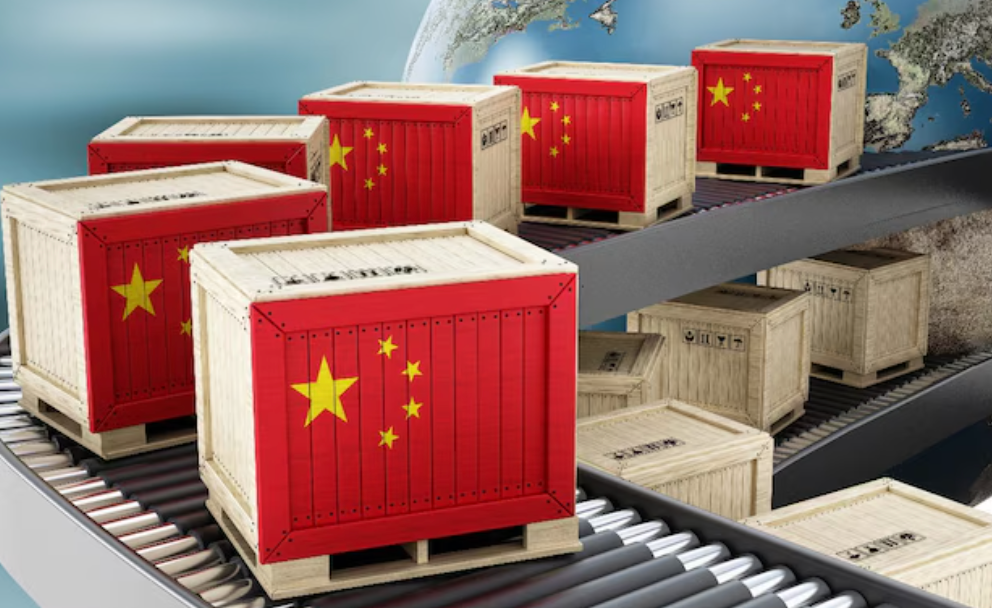 China Tariff Cuts: Beijing Seeks Public Feedback
China is seeking public feedback on proposed China tariff cuts covering approximately $30 billion worth of US imports. While the measure has not yet been finalized, it signals that Beijing is exploring ways to improve trade conditions between the world's two largest economies.
The proposed China tariff cuts come at a time when governments are looking for practical measures to support economic growth amid slowing global demand and continued geopolitical uncertainty. Although tariffs have played a central role in US-China trade policy over recent years, both sides have increasingly shown interest in reducing some barriers where economic benefits outweigh political costs.
For businesses and investors, the latest proposal could represent another sign that trade relations are gradually becoming more stable. According to Reuters, the consultation reflects Beijing's broader effort to stabilize commercial ties with Washington.
What Are the Proposed China Tariff Cuts?
According to the proposal, Chinese authorities are gathering opinions from businesses and other stakeholders before deciding whether to proceed with China tariff cuts affecting roughly $30 billion in US goods.
The consultation process is significant because it allows industries that would be directly affected to provide feedback before any policy changes are implemented.
Interestingly, public consultations are commonly used when proposed trade measures could have broad economic consequences. Importers, manufacturers, exporters, and industry associations often contribute views that help policymakers assess the likely impact on businesses and consumers.
Although details of the final tariff reductions remain under discussion, the proposal suggests Beijing is willing to explore selective adjustments rather than broad changes across all imported goods.
Why Tariffs Matter
Tariffs are taxes imposed on imported products.
Higher tariffs increase costs for importers, which can eventually lead to higher prices for manufacturers, retailers, and consumers. Lower tariffs generally reduce import costs, improve supply chain efficiency, and encourage greater cross-border trade.
The proposed China tariff cuts could therefore benefit businesses that rely on American products as raw materials, industrial components, agricultural goods, or specialized equipment.
Reduced trade costs may also improve competitiveness for Chinese manufacturers that depend on imported inputs. That possibility explains why financial markets continue monitoring every development involving US-China trade policy.
Trade Relations Have Gradually Improved
Trade relations between Washington and Beijing have experienced several periods of heightened tension over the past decade.
Tariffs were introduced across hundreds of billions of dollars in goods, affecting industries ranging from technology and agriculture to manufacturing and consumer products.
Since then, both governments have sought selective areas where cooperation remains possible despite broader strategic differences. The proposed China tariff cuts reflect that pragmatic approach.
Rather than attempting to resolve every outstanding trade dispute simultaneously, policymakers appear focused on measures that could deliver immediate economic benefits while broader negotiations continue.
What Could This Mean for Businesses?
Companies operating across international supply chains often value stability as much as lower costs.
Manufacturers need confidence when planning production schedules, sourcing materials, and negotiating long-term contracts with suppliers.
Even relatively targeted China tariff cuts could help reduce uncertainty for businesses involved in cross-border trade.
Several sectors could benefit if the proposal moves forward:
- Industrial manufacturing
- Agricultural imports
- Consumer goods
- Automotive components
- Chemical products
- Machinery and equipment
Businesses importing affected US products into China may experience lower operating costs, potentially improving profit margins over time.
Investors Are Watching Closely
Financial markets tend to react positively when trade tensions ease.
Lower tariffs often encourage stronger trade flows, improve corporate earnings expectations, and support global economic activity.
However, investors also recognize that the current proposal remains under consultation.
Authorities could modify the scope, timing, or product coverage after reviewing responses from businesses and industry groups. That means markets are likely to remain cautious until official policy announcements are released.
The Broader Impact on Global Trade
The importance of US-China trade extends well beyond the two countries themselves.
Many multinational companies operate production networks that span multiple continents. Components manufactured in one country are frequently assembled in another before reaching customers worldwide.
Changes to tariffs therefore influence global supply chains, shipping activity, commodity demand, and investment decisions.
Should the proposed China tariff cuts be implemented, businesses may gain greater flexibility when sourcing products across international markets.
The move could also contribute to improved business sentiment during a period when global economic growth remains uneven.
What Comes Next?
The consultation period will allow Chinese authorities to collect industry feedback before making a final decision.
Investors will likely monitor several key developments:
- The final list of products covered by the tariff reductions
- The implementation timeline
- Responses from US trade officials
- Any additional bilateral trade discussions
- Potential reciprocal measures between both countries
Each announcement has the potential to influence market sentiment, particularly in sectors heavily exposed to international trade.
A Step Toward Greater Trade Stability
The proposed China tariff cuts may not resolve every challenge facing US-China economic relations, but they represent another indication that policymakers remain open to reducing selected trade barriers where mutual benefits exist.
Businesses continue seeking greater certainty as they navigate evolving supply chains, while investors remain focused on policies that can support economic growth and improve corporate confidence.
Whether the proposal proceeds unchanged or undergoes revisions after consultation, the direction of travel appears increasingly clear. Practical cooperation on trade remains possible, and even targeted tariff reductions can help improve conditions for companies operating across global markets.
DISCLAIMER: Derivative products carry high risk and may result in the loss of your entire invested capital. Before trading, ensure you fully understand the legal framework, product characteristics, and your broker’s trading rules. Always trade responsibly and with caution.
RISK WARNING: Margin trading with leverage is not suitable for all investors due to its high risk. THERE ARE NO GUARANTEED RETURNS in trading. Beware of any claims promising assured profits. Only use capital you can afford to lose. Before engaging in any transaction, ensure you understand the risks and assess both your experience and risk tolerance.
