

Market Insights
Oil Prices Surge as Trump Declares Iran Deal 'Over' and Supply Concerns Return
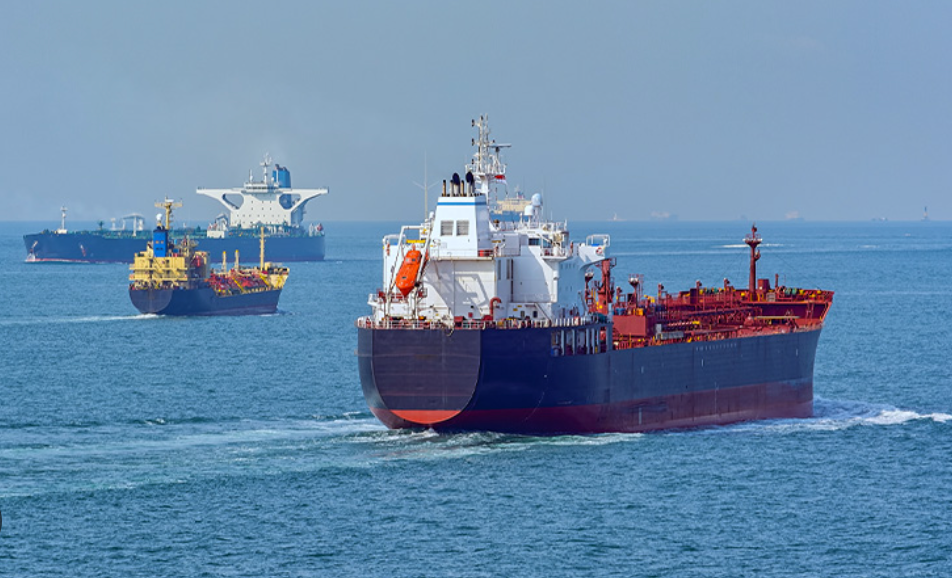 Oil Prices Surge After Trump's Iran Comments
Oil prices recorded one of their strongest daily gains in recent weeks after former US President Donald Trump declared that any potential deal with Iran was "over," reigniting concerns about global crude supplies. The remarks quickly shifted market sentiment, sending both Brent crude and West Texas Intermediate (WTI) sharply higher as traders reassessed the geopolitical outlook.
According to CNA, oil prices climbed more than 5% following Trump's comments, reflecting renewed fears that diplomatic efforts involving Iran may have reached another dead end. The market reaction highlights how quickly geopolitical developments can influence energy markets, particularly when one of the world's major oil-producing nations is involved.
Interestingly, the move came after several weeks during which traders had been weighing the possibility of increased Iranian exports entering global markets. That expectation has now become far less certain.
Why Oil Prices Reacted So Quickly
Financial markets often respond immediately when developments threaten future energy supplies. Iran holds some of the world's largest proven crude oil reserves, and any change in sanctions policy or diplomatic negotiations can significantly affect global supply expectations.
For months, some investors believed renewed negotiations could eventually allow Iran to increase crude exports, easing pressure on global supply and helping stabilise oil prices. Trump's latest remarks altered that narrative almost instantly.
If negotiations remain stalled, the prospect of additional Iranian oil reaching international markets becomes increasingly uncertain. Traders reacted by pricing in a tighter supply outlook, pushing oil prices significantly higher during the trading session.
Geopolitical Risk Returns to the Forefront
Geopolitical risk has always been one of the strongest drivers of oil prices. The Middle East remains central to global energy production, and even small changes in diplomatic relations can have widespread implications for commodity markets.
Whenever uncertainty increases, traders often build a risk premium into crude oil prices, reflecting the possibility of restricted future supply.
Physical oil production may remain unchanged today, yet expectations about tomorrow can move markets dramatically. That is precisely what happened following Trump's comments regarding Iran.
Brent and WTI Respond to Supply Concerns
Both international crude benchmarks moved sharply higher. Brent crude, the global pricing benchmark, gained more than 5%, while WTI crude also posted strong advances as investors adjusted their expectations.
The rise in oil prices reflected growing concern that future supply growth could become more limited if diplomatic negotiations fail to progress.
- Global oil consumption has remained relatively resilient despite economic uncertainties
- Production policies from major exporters continue to shape supply expectations
- Any reduction in expected supply can quickly tighten market conditions
That combination helped accelerate the rally across energy markets.
Energy Companies Could Benefit From Higher Oil Prices
Higher oil prices often improve revenue expectations for energy producers. Integrated oil companies, exploration firms, and oilfield service providers generally benefit when crude prices remain elevated, particularly if higher prices are sustained over several months.
Investors therefore monitored shares of major energy companies closely following the sharp move in crude markets.
At the same time, higher oil prices can create challenges elsewhere. Transportation companies, airlines, manufacturers, and businesses with high fuel costs may experience increased operating expenses. Consumers can also feel the impact through higher fuel prices and transportation costs.
Inflation Expectations May Also Shift
Another important consequence of rising oil prices involves inflation. Energy costs affect almost every sector of the global economy, and higher crude prices often translate into increased transportation, logistics, manufacturing, and production expenses.
If those higher costs persist, inflationary pressures may strengthen once again. Central banks closely monitor commodity markets because sustained increases in oil prices can complicate monetary policy decisions.
- Rising energy costs feed into transportation and logistics expenses
- Manufacturers may pass higher costs on to consumers
- Central banks may grow cautious about future interest rate reductions
Investors Continue Watching Diplomatic Developments
Although Trump's remarks triggered the immediate market reaction, investors recognise that geopolitical situations can change rapidly. Future diplomatic discussions, official government responses, sanctions policy, and developments involving Iran will all influence market expectations.
At the same time, traders continue monitoring production decisions by OPEC+, global inventory data, US shale production, and worldwide demand forecasts. Each of these variables contributes to the direction of oil prices over both the short and longer term.
For now, uncertainty remains one of the defining characteristics of the market.
Markets Face Another Test
The latest surge in oil prices serves as another reminder that energy markets remain highly responsive to geopolitical developments. Comments from political leaders, changes in diplomatic negotiations, and expectations surrounding future supply continue influencing market sentiment alongside traditional economic indicators.
Whether oil prices continue climbing will depend on how negotiations evolve, how producers respond to changing market conditions, and whether global demand remains resilient. Until greater clarity emerges, investors are likely to keep a close watch on geopolitical headlines, recognising that even a single development can quickly reshape expectations across the global energy market.
DISCLAIMER: Derivative products carry high risk and may result in the loss of your entire invested capital. Before trading, ensure you fully understand the legal framework, product characteristics, and your broker’s trading rules. Always trade responsibly and with caution.
RISK WARNING: Margin trading with leverage is not suitable for all investors due to its high risk. THERE ARE NO GUARANTEED RETURNS in trading. Beware of any claims promising assured profits. Only use capital you can afford to lose. Before engaging in any transaction, ensure you understand the risks and assess both your experience and risk tolerance.
