

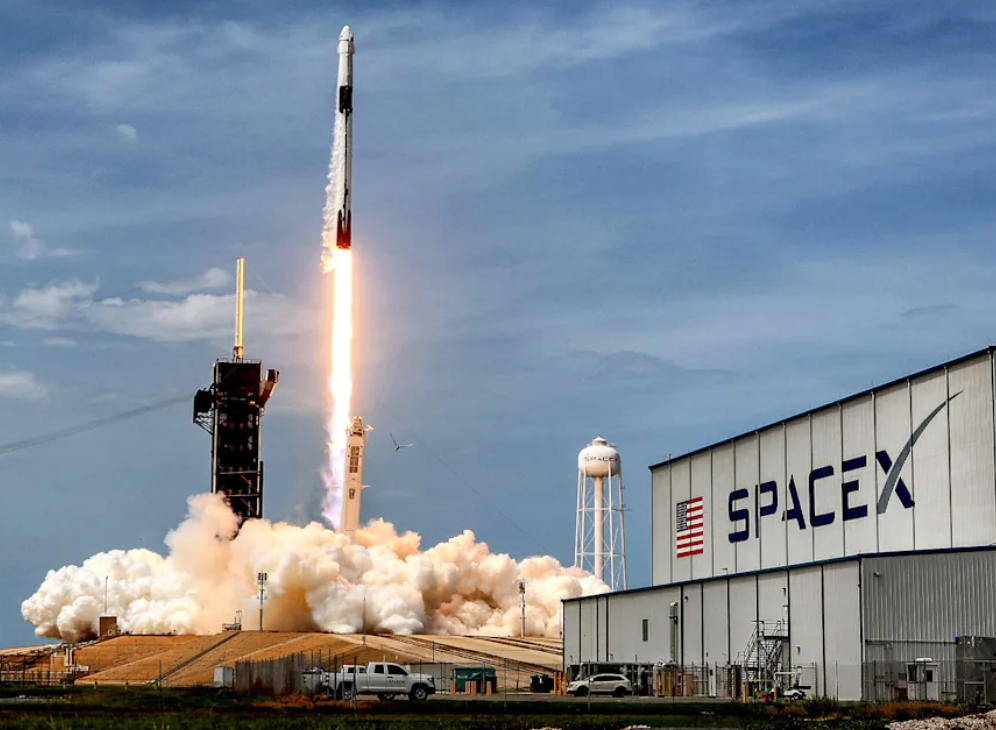
 SpaceX Stock Enters New Era of Investor Scrutiny
SpaceX stock is entering a new phase as investors shift from early optimism to long-term execution, valuation, and future growth prospects. The conversation surrounding SpaceX stock is changing. For years, excitement surrounding the world's most valuable private aerospace company was driven by rapid technological breakthroughs, ambitious missions, and headline-grabbing valuations. That early enthusiasm helped fuel demand in secondary private markets, where investors eagerly sought limited opportunities to gain exposure.
Now, market observers believe SpaceX stock has entered a different chapter. According to AOL, investors are beginning to evaluate SpaceX stock with greater attention to execution, long-term cash generation, and valuation discipline rather than relying purely on optimism. The transition reflects a broader pattern seen in high-growth technology companies as they mature and expectations become increasingly demanding.
Why SpaceX Stock Is Entering a Different Stage
Private market investing often follows a familiar cycle. During the early stages, investors reward disruptive innovation and bold visions. Strong narratives frequently drive demand, especially when a company consistently achieves technical milestones that competitors struggle to match. For SpaceX stock, that period lasted several years.
The company transformed commercial space launches, dramatically reduced launch costs through reusable rockets, expanded its Starlink satellite internet business, and continued advancing its Starship programme. These achievements helped establish SpaceX as one of the most closely watched private companies globally.
However, every growth story eventually reaches a point where expectations become extremely high. At that stage, investors begin asking different questions, such as:
- Can revenue continue expanding at the same pace?
- Will profit margins improve over time?
- How sustainable are current valuations?
- Which business segments will generate the strongest long-term returns?
Those questions are increasingly shaping discussions around SpaceX stock.
Starlink Continues to Support the SpaceX Growth Story
A significant part of the SpaceX stock investment thesis remains closely linked to Starlink. The satellite broadband network has expanded rapidly across multiple regions, providing internet services to consumers, businesses, governments, aviation operators, and maritime industries. Industry analysts continue to view Starlink as one of SpaceX's most important recurring revenue generators.
Unlike launch services, which depend on project schedules and contracts, subscription-based connectivity provides a more predictable source of income. That recurring revenue has become increasingly valuable from an investor's perspective.
As Starlink continues adding subscribers while improving network capabilities, it strengthens the long-term financial profile supporting SpaceX stock.
Nevertheless, expansion also requires continued investment in satellite deployment, infrastructure, and future technology upgrades. Investors therefore remain focused on whether revenue growth continues to outpace capital spending.
Valuation Expectations Become More Important
One of the biggest themes surrounding SpaceX stock today involves valuation. Recent private funding rounds have pushed SpaceX's estimated valuation to record levels, making it one of the world's most valuable privately held companies.
That success naturally raises expectations. When valuations climb significantly, future performance must continue delivering strong evidence that projected growth remains achievable. Investors become less willing to pay higher prices simply because of exciting headlines. Instead, they increasingly examine measurable business fundamentals.
This evolution reflects broader behaviour across technology investing. Several high-profile technology firms experienced similar transitions after periods of rapid expansion. Initial excitement eventually gave way to closer scrutiny of earnings potential, operational efficiency, and sustainable competitive advantages. For SpaceX stock, this represents a normal stage in the lifecycle of a rapidly growing company.
Space Industry Trends Continue Supporting Long-Term Demand
Despite changing investor attitudes, the broader space economy continues expanding. Government agencies remain committed to increased space exploration, national security initiatives, satellite communications, and lunar programmes. Commercial demand for launch services also continues growing as more businesses rely on satellite infrastructure.
At the same time, countries around the world are investing heavily in next-generation space capabilities. These long-term trends continue providing structural support for companies operating within the aerospace sector.
SpaceX remains one of the industry's dominant participants, benefiting from years of engineering development, operational experience, and an extensive launch record. That leadership position continues supporting confidence in SpaceX stock, even as investors adopt a more disciplined valuation approach.
Private Market Investors Face Unique Challenges
Unlike publicly listed companies, SpaceX stock is not freely traded on major exchanges. Most investors gain exposure through secondary private market transactions or specialised investment vehicles, where pricing can vary significantly depending on supply and demand.
Limited liquidity introduces additional uncertainty. Private valuations may not adjust as quickly as public markets, meaning investors often have fewer opportunities to buy or sell positions. As a result, investment decisions typically require a longer time horizon.
This characteristic reinforces why many analysts believe patience has become increasingly important when evaluating SpaceX stock. Rather than reacting to short-term headlines, investors are paying closer attention to execution over several years.
What Investors Are Watching Next
Several milestones could influence sentiment surrounding SpaceX stock over the coming quarters:
- Progress in Starship testing, particularly as the vehicle moves closer to supporting commercial missions and future lunar exploration programmes.
- Continued expansion of Starlink's subscriber base, which could further strengthen recurring revenue generation.
- Future fundraising activity and valuation adjustments.
- Commercial launch demand and government contracts.
- International regulatory developments affecting satellite services.
Taken together, these factors may determine whether current expectations remain justified.
For now, the market appears to be entering a more thoughtful phase. The excitement surrounding technological innovation certainly remains. Yet investors increasingly expect financial performance and operational execution to match that innovation. That combination will likely shape how SpaceX stock is valued throughout the remainder of 2026 and beyond.
