

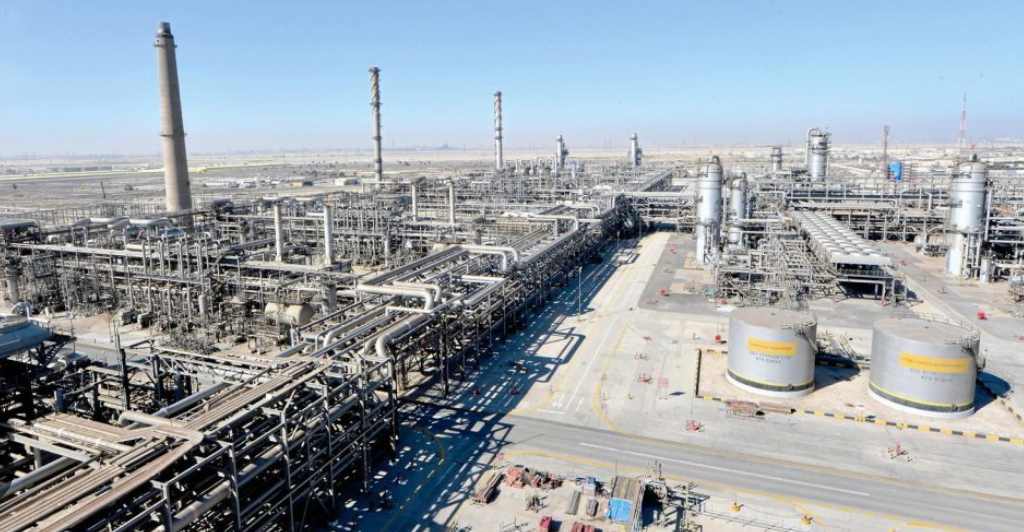
 Oil Prices Surge Amid US-Iran Tensions
Oil prices moved sharply higher on May 8, 2026, after renewed hostilities between the United States and Iran reignited concerns about global energy supply stability. Traders reacted quickly as geopolitical risks surrounding the Middle East once again returned to the center of financial markets.
Brent crude and West Texas Intermediate futures both recorded gains during Asian and early European trading sessions. The move came after reports linked to escalating military tensions and growing fears over potential disruptions near key oil shipping routes, particularly around the Strait of Hormuz.
Interestingly, this latest rally highlights how sensitive commodity markets remain to geopolitical developments. Even before any confirmed supply interruption occurs, traders often begin pricing in future risks almost immediately. A single escalation headline can shift billions of dollars across global markets within hours, demonstrating the acute vulnerability of oil prices to external shocks.
Oil Prices Climb as Traders React to Rising Tensions
According to Reuters, oil prices rose after renewed US-Iran hostilities raised fears that crude exports from the region could face disruptions. The Middle East remains one of the most important oil-producing regions globally, making any military development highly relevant for energy traders.
Brent crude futures climbed above recent trading levels while WTI crude also advanced as investors monitored developments closely. Analysts noted that traders were particularly focused on shipping security and the possibility of tighter supply conditions if tensions continue escalating. The sensitivity of oil prices to geopolitical events underscores the market's vulnerability to Middle Eastern political instability.
The Strait of Hormuz remains central to these concerns. Nearly one-fifth of global oil consumption passes through this narrow maritime route. Any threat to shipping activity there typically creates immediate volatility in oil prices.
Market participants also pointed to increased demand for safe-haven assets such as gold and the US dollar during the trading session. That combination often appears when geopolitical uncertainty intensifies and investors seek protection from volatile commodity markets.
Why the Strait of Hormuz Matters to Global Oil Markets
The Strait of Hormuz is not simply another shipping lane. It is one of the most strategically important energy corridors in the world. Major oil exporters including Saudi Arabia, Iraq, Kuwait, and the United Arab Emirates rely heavily on this route to transport crude to international markets.
When tensions involving Iran increase, concerns about potential shipping disruptions tend to rise quickly. Financial markets remember previous incidents involving tanker seizures, military stand-offs, and attacks on energy infrastructure in the region. This historical context explains why traders respond so dramatically to new geopolitical developments affecting oil prices.
"Oil prices often react even before physical supply is affected. Traders are essentially pricing in future uncertainty."
Some analysts believe the latest price movement reflects precautionary positioning rather than immediate panic. Others argue that the geopolitical premium in oil prices could continue expanding if diplomatic tensions worsen over the coming days. Either way, volatility has clearly returned to the energy market with renewed intensity.
Energy Stocks and Commodity Markets Also React
The rise in oil prices also influenced broader financial markets. Energy-related stocks recorded gains in several regions as investors anticipated stronger revenues for major oil producers if crude prices remain elevated. Companies linked to oil exploration, refining, and energy services experienced renewed buying interest.
Meanwhile, airline stocks and transportation-related sectors faced pressure due to concerns over rising fuel costs. The interconnection between oil prices and various economic sectors demonstrates the pervasive influence of energy markets on the broader economy.
There is another critical layer worth watching here: inflation expectations. Higher oil prices can feed directly into transportation costs, manufacturing expenses, and consumer prices worldwide. Central banks that were already navigating uncertain inflation trends may now face additional complications if energy costs continue rising, potentially altering monetary policy decisions.
Analysts Warn of Continued Volatility
Several market strategists have warned that oil prices may remain volatile as long as geopolitical uncertainty persists between the United States and Iran. The following factors could influence near-term movements:
- Additional supply risk developments in the Middle East region
- Diplomatic efforts aimed at reducing international tensions
- Physical supply flows remaining unaffected by political developments
- Technical support and resistance levels in crude futures markets
Some analysts believe Brent crude could test higher resistance levels if additional supply risks emerge. This balance between fear and reality often defines commodity trading during geopolitical crises. For now, traders are paying close attention to military developments, diplomatic statements, and shipping activity across the Middle East.
Any new headline could trigger another sharp move in oil prices. At the same time, broader market fundamentals continue to matter. Global demand trends, OPEC+ production decisions, and economic growth forecasts are still influencing the long-term direction of the oil market. The geopolitical factor has simply become impossible to ignore again.
Market Sentiment Remains Highly Sensitive
Financial markets entered May with growing optimism surrounding economic stabilization and easing inflation pressures in several regions. However, renewed geopolitical tensions have quickly shifted investor sentiment regarding energy commodities and oil prices.
Oil prices are now reflecting more than just supply and demand data. They are also capturing uncertainty, fear, and risk perception across global markets. That dynamic creates a challenging environment for traders and investors alike. Sudden price swings can emerge rapidly, especially when geopolitical headlines dominate market attention.
For energy traders, volatility may create opportunities. For businesses dependent on fuel costs, however, rising oil prices could increase operational pressure in the weeks ahead. Key considerations include:
- Whether tensions between the United States and Iran escalate further
- Whether diplomatic channels stabilize the geopolitical situation
- How persistent the geopolitical premium remains in commodity valuations
- Whether global economic growth supports sustained demand for crude oil
Markets will continue watching every development carefully as oil prices remain hostage to Middle Eastern political dynamics.
