

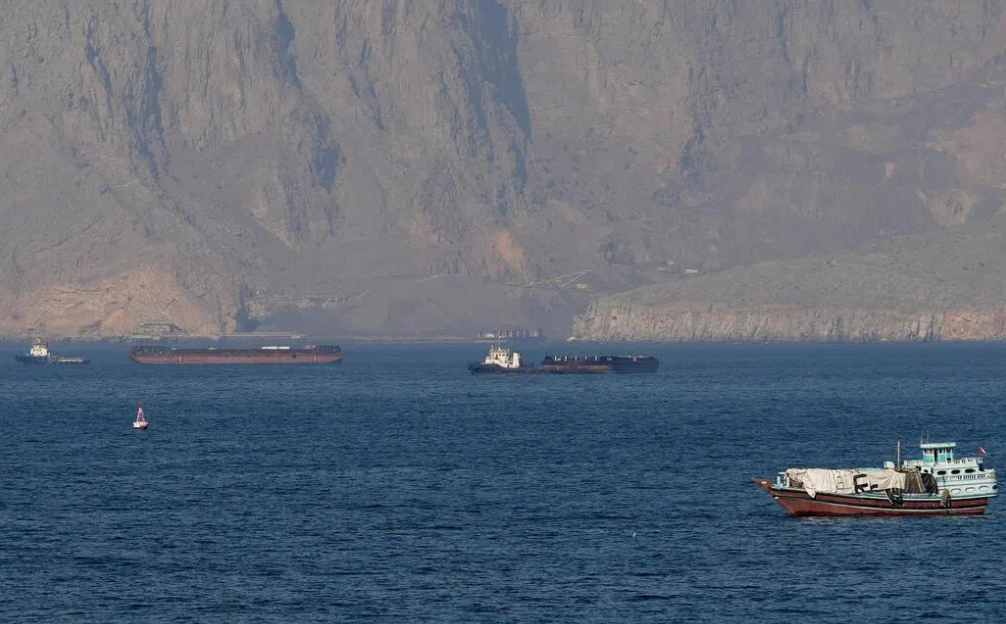
 Iran Strait of Hormuz Transit System
The introduction of the Iran Strait of Hormuz transit system has quickly become a focal point for global markets. Authorities in Iran announced a new mechanism designed to regulate vessel movement through the strategically vital Strait of Hormuz. The move comes at a time when geopolitical tensions and energy security concerns remain closely intertwined.
Interestingly, this development arrives amid heightened scrutiny of shipping routes that handle a significant portion of the world's oil supply. The Strait of Hormuz alone accounts for a substantial share of global crude shipments. Any procedural change in this narrow passage has the potential to ripple across financial markets worldwide.
Understanding the Iran Strait of Hormuz Transit System
The newly introduced Strait of Hormuz transit system is intended to create a more structured framework for vessels passing through the region. According to official statements, the system aims to enhance coordination, improve monitoring, and reduce operational risks within the waterway.
While the specifics of implementation remain under observation, the core idea appears straightforward. Ships transiting the Strait of Hormuz would follow updated protocols, potentially involving communication procedures and designated routing measures. Such adjustments are often presented as safety enhancements, yet they inevitably carry broader implications for global commerce.
Control over shipping lanes is closely linked to both economic influence and geopolitical leverage. This is why the Strait of Hormuz continues to command international attention from policymakers and market observers alike.
Implications for Oil Markets and Energy Flows
The Iran Strait of Hormuz transit system has immediate relevance for oil markets. A large proportion of global crude exports, particularly from the Middle East, flows through this passage. According to Middle East Monitor, even minor disruptions or perceived risks can influence pricing dynamics significantly.
Oil traders are already familiar with the sensitivity of the region. Price fluctuations often follow headlines related to security concerns or policy changes affecting the Strait of Hormuz. In this context, the introduction of a new transit system may add another layer of uncertainty to an already sensitive market.
Key factors that markets monitor include:
- Operational delays caused by new transit protocols
- Changes in shipping efficiency through the Strait of Hormuz
- Insurance premium adjustments for vessels
- Supply chain disruptions in energy sectors
Short-term reactions may remain measured. However, sustained attention is likely if the system leads to operational delays or changes in shipping efficiency. Markets tend to respond not only to actual disruptions but also to perceived risks in critical infrastructure.
Geopolitical Considerations and Strategic Significance
Beyond immediate market reactions, the Iran Strait of Hormuz transit system carries substantial geopolitical weight. The Strait itself is one of the most strategically important maritime chokepoints in the world. Control, or even partial influence, over such a route has long been a point of contention among regional and global powers.
This development may also be interpreted within a broader strategic context. Iran's decision to formalize vessel transit procedures could signal an effort to assert greater oversight in its surrounding waters. At the same time, it raises questions about how other nations will respond to changes in the Strait of Hormuz management framework.
The Strait of Hormuz remains critical infrastructure for global energy security, with approximately 20 percent of the world's petroleum passing through its waters daily.
Key geopolitical dimensions include:
- Regional power dynamics and influence over maritime routes
- International cooperation frameworks for the Strait of Hormuz
- Naval presence and security arrangements
- Trade relationships and economic interdependence
Market Sentiment and Investor Interpretation
Investor sentiment surrounding the Iran Strait of Hormuz transit system remains cautious but attentive. Financial markets are assessing whether the move represents a technical adjustment or a shift with longer-term implications for global trade.
Currency markets, particularly those linked to oil-exporting economies, may react if the situation evolves further. Equity markets could also see sector-specific responses, especially in energy and shipping industries that depend on unimpeded access through the Strait of Hormuz.
Investors often look beyond the immediate headline and consider potential scenarios. Critical questions include:
- Will shipping costs rise due to new protocols in the Strait of Hormuz?
- Could insurance premiums for vessels increase substantially?
- Might global supply chains face delays or disruptions?
- How will energy prices respond to operational changes?
Strategic Implications for Global Trade
The introduction of the Strait of Hormuz transit system represents more than a procedural adjustment. According to Middle East Monitor, regulatory changes in critical maritime infrastructure rarely occur in isolation. The Iran Strait of Hormuz system development reflects broader tensions between national sovereignty and international maritime norms.
Global shipping companies will need to adapt to new requirements for vessels transiting the Strait of Hormuz. This could involve additional documentation, communication protocols, or routing adjustments. The cumulative effect on shipping efficiency through the Strait of Hormuz remains uncertain.
International maritime organizations and trading partners are monitoring the situation closely. The implementation of the Strait of Hormuz transit system may set precedent for how other nations manage critical chokepoints in international waters.
Future Outlook and Continued Monitoring
For now, the situation surrounding the Iran Strait of Hormuz transit system remains stable. Yet, the underlying dynamics suggest that attention will not fade quickly. Markets are likely to continue monitoring developments closely, as each update carries potential implications for global energy security.
The Strait of Hormuz continues to hold a central role in global commerce and energy markets. Any adjustment within it tends to resonate far beyond its waters, affecting everything from oil prices to shipping costs to international relations.
Long-term stability depends on cooperation between regional actors and the international community. Efforts to formalize procedures through mechanisms like the Iran Strait of Hormuz transit system could enhance predictability or, conversely, introduce new friction points depending on implementation and acceptance by major trading partners.
Stakeholders—from energy companies to financial institutions to government agencies—will remain vigilant. The Strait of Hormuz and its management practices will continue to shape global energy markets for years to come.
