

Market Insights
Oil Prices Jump Above $100 as Iran War Raises Global Supply Fears
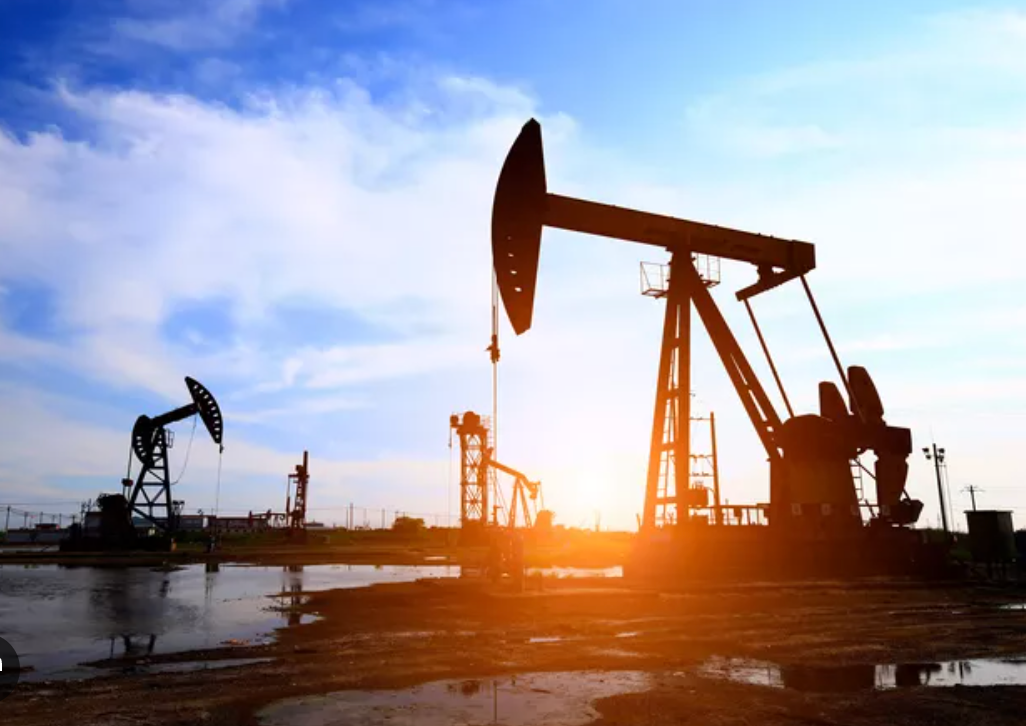 Oil Prices Surge Past $100 on Iran Crisis
Oil prices surged sharply this week, breaking the symbolic $100-per-barrel level as tensions in Iran intensified and fears of supply disruptions spread through global energy markets. The sudden move in oil prices marks one of the most dramatic commodity reactions seen in recent months. Investors are closely watching developments in the Middle East, where geopolitical instability often translates into immediate volatility in energy markets.
According to Yahoo Finance, oil prices climbed rapidly after the conflict in Iran escalated, raising concerns that regional energy infrastructure or shipping routes could be affected. For global markets that still rely heavily on crude oil supply from the Middle East, the implications are significant.
The latest surge in oil prices arrives at a time when markets had been expecting relatively stable energy conditions this year. The sudden shift highlights how quickly geopolitical risks can reshape commodity pricing.
Why Oil Prices React Quickly to Middle East Conflicts
Oil prices are particularly sensitive to geopolitical developments in the Middle East because the region remains one of the world's most important energy hubs. Iran alone holds some of the largest proven oil reserves globally, while nearby shipping lanes such as the Strait of Hormuz handle a substantial portion of global oil trade.
When tensions rise in this region, traders immediately price in potential supply disruptions. Even the possibility of reduced exports can send oil prices higher. Recent military developments involving Iran have triggered precisely that kind of market response.
Energy traders are concerned that further escalation could disrupt oil production facilities or shipping routes. The vulnerability of these chokepoints makes oil prices unusually reactive to any sign of conflict in the region.
Oil Prices Break the $100 Psychological Level
The $100 level carries strong psychological importance in energy markets. It represents a threshold that often triggers additional speculative trading and hedging activity among institutional investors. As oil prices moved past this level, trading volumes increased noticeably.
Many traders see the $100 mark as a signal that supply concerns are intensifying. Others view it as a reminder of previous energy shocks, particularly during periods of geopolitical turmoil. According to CNN, both Brent crude and West Texas Intermediate experienced strong upward momentum following the latest headlines from the region.
- Brent crude surpassed the $100-per-barrel threshold for the first time in recent months
- West Texas Intermediate followed with parallel upward momentum
- Trading volumes spiked as the psychological barrier was broken
- Institutional investors accelerated hedging activity in response to rising oil prices
Oil prices above $100 also revive memories of the energy volatility experienced in earlier global crises. During those periods, energy costs became a central driver of inflation and economic uncertainty worldwide.
The Inflation Question Returns
Rising oil prices rarely affect only the energy sector. The broader economic consequences can be significant. Higher oil prices increase transportation costs, raise manufacturing expenses, and eventually feed into consumer prices.
Airlines, shipping companies, and logistics firms tend to feel the pressure first, but the ripple effect spreads across entire economies. For central banks that have spent the past two years attempting to stabilize inflation, the resurgence of high oil prices complicates the outlook.
- Energy costs rise directly at the pump and in utility bills
- Transportation and logistics costs increase, affecting supply chains
- Manufacturing input costs rise, reducing corporate margins
- Consumer prices climb as businesses pass on higher costs
- Central banks face renewed pressure to maintain restrictive monetary policy
If oil prices remain above $100 for an extended period, policymakers may face renewed challenges in controlling price growth. Financial markets have already begun adjusting expectations. According to Reuters, some analysts believe sustained high oil prices could delay potential interest rate cuts in major economies.
Energy Markets Brace for Further Volatility
Commodity markets are now entering a period of heightened uncertainty. The trajectory of oil prices will depend heavily on how the geopolitical situation evolves. If tensions in Iran continue to escalate, oil prices may remain elevated or move even higher.
On the other hand, any diplomatic breakthrough or stabilization in the region could quickly ease supply concerns and bring oil prices back toward previous levels. Energy traders are therefore paying close attention to both political developments and physical supply indicators.
Another important factor involves global strategic reserves. Governments may consider releasing additional emergency oil supplies if prices rise too sharply. Such interventions have been used in the past to calm markets during supply disruptions. For now, however, oil prices remain firmly driven by geopolitical risk rather than traditional supply and demand fundamentals.
A Reminder of Oil's Influence on Global Markets
The recent surge in oil prices serves as a powerful reminder of how closely energy markets remain tied to global political events. Despite the growth of renewable energy and technological advances in energy production, crude oil continues to play a central role in the world economy.
When supply concerns emerge in key producing regions, the effects ripple through financial markets, currencies, and inflation expectations. According to Bloomberg, currency markets in oil-importing nations have already begun reflecting the pressure created by elevated oil prices.
For investors and policymakers alike, the latest movement in oil prices underscores an enduring reality: energy markets rarely move in isolation. Instead, they reflect the complex intersection of geopolitics, economics, and market psychology.
As developments in Iran continue to unfold, the trajectory of oil prices will remain one of the most closely watched indicators in global financial markets. The current episode reinforces that for as long as the global economy depends on crude oil, oil prices will serve as both a barometer of stability and a driver of economic outcomes worldwide.
DISCLAIMER: Derivative products carry high risk and may result in the loss of your entire invested capital. Before trading, ensure you fully understand the legal framework, product characteristics, and your broker’s trading rules. Always trade responsibly and with caution.
RISK WARNING: Margin trading with leverage is not suitable for all investors due to its high risk. THERE ARE NO GUARANTEED RETURNS in trading. Beware of any claims promising assured profits. Only use capital you can afford to lose. Before engaging in any transaction, ensure you understand the risks and assess both your experience and risk tolerance.
