

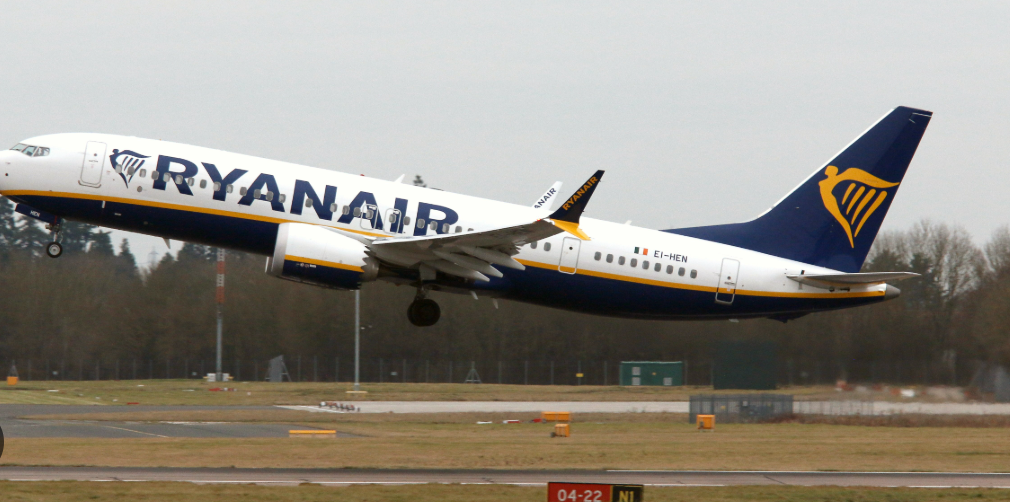
Ryanair profit came under pressure after Europe's largest low-cost airline reported weaker earnings, as rising fuel prices and lower passenger demand linked to the conflict in the Middle East weighed on its latest financial results.
The airline said the recent escalation involving Iran and the United States affected consumer confidence, while higher oil prices pushed aviation fuel costs higher. Together, these developments created fresh challenges for airlines that had been expecting a strong summer travel season.
The announcement highlights how geopolitical events can quickly influence industries far beyond the conflict zone. For airlines, fuel remains one of the largest operating expenses, while passenger confidence can change rapidly when international tensions increase.
Ryanair Profit Hit by Higher Fuel Costs
According to Reuters, the recent rise in oil prices following the conflict in the Middle East increased the cost of jet fuel, putting pressure on operating margins.
Fuel accounts for a significant share of airline expenses. Even relatively small increases in crude oil prices can translate into millions of euros in additional operating costs over the course of a year.
Following the latest military exchanges between the United States and Iran, Brent crude climbed above $90 per barrel, raising concerns across the aviation industry. Higher crude prices eventually filter through to jet fuel, making flights more expensive to operate.
For Ryanair, the timing is particularly challenging because airlines typically increase flight schedules during the busy summer travel period. Instead of benefiting solely from stronger seasonal demand, carriers are now managing rising operating expenses.
Passenger Demand Softens
The decline in Ryanair profit was not driven by fuel costs alone.
The airline also reported that uncertainty surrounding the conflict discouraged some travellers from booking holidays, particularly for destinations closer to affected regions.
Travel demand often reacts quickly to geopolitical developments. While many European destinations remain unaffected by the conflict itself, consumer confidence can weaken when international headlines become dominated by military tensions. Some travellers choose to delay holidays, while others change destinations altogether.
That uncertainty has become another headwind for Ryanair during one of its busiest periods of the year.
The Airline Industry Faces Multiple Pressures
The latest Ryanair profit report reflects broader challenges facing the aviation sector. Beyond higher fuel prices, airlines continue dealing with several compounding cost pressures, including:
- Persistent inflation across operating markets
- Rising labour costs
- Aircraft delivery delays
- Supply chain disruptions affecting maintenance and spare parts
Aircraft manufacturers have experienced production bottlenecks in recent years, limiting fleet expansion for several carriers. At the same time, airport charges and staffing expenses remain elevated across many European markets.
These pressures leave airlines with difficult decisions. Some choose to absorb higher costs in order to remain competitive, while others increase ticket prices to protect profitability. Either approach carries risks, particularly in a price-sensitive market where consumers have many travel options.
For low-cost carriers like Ryanair, maintaining affordable fares while protecting margins requires careful cost management.
Investors Focus on Profit Margins
The weaker Ryanair profit figures are likely to attract close attention from investors.
Airline shares often respond strongly to changes in fuel prices because energy costs have a direct impact on profitability. Investors also monitor booking trends carefully, particularly during the summer travel season when airlines generate a large share of annual earnings.
If oil prices remain elevated, analysts may revise earnings forecasts for airlines across Europe. At the same time, any improvement in geopolitical conditions could quickly ease pressure on fuel markets and restore traveller confidence.
The aviation sector therefore remains highly sensitive to external events that are largely beyond management's control.
Could Ticket Prices Rise?
One question now facing travellers is whether airlines will pass higher fuel costs on to customers.
Historically, airlines have introduced fuel surcharges or gradually increased fares when energy prices remain elevated for an extended period. However, competitive pressure often limits how much carriers can charge.
Ryanair has built its business around offering low fares, making aggressive ticket price increases more difficult than for premium airlines.
Every additional dollar added to the price of crude oil eventually affects multiple parts of the travel industry, from airline profitability to holiday costs and even airport retail spending.
Much will depend on how long energy prices remain elevated and whether passenger demand continues recovering during the remainder of the summer season.
Market Sentiment Remains Sensitive
Financial markets have reacted cautiously to the latest developments.
Oil prices have risen as investors assess potential supply disruptions in the Middle East, while airline stocks have faced renewed pressure because of concerns over fuel expenses and travel demand.
The situation remains highly fluid. If geopolitical tensions ease, fuel prices could retreat and support a recovery in airline profitability. On the other hand, any further escalation could extend the current period of volatility across both energy and aviation markets.
According to BBC, analysts will continue monitoring crude oil prices, passenger booking data, and airline guidance over the coming weeks for clearer indications of how the industry is navigating the latest challenges.
A Delicate Balance for Airlines
The latest Ryanair profit results illustrate how closely the airline industry is connected to developments in the global economy.
Higher fuel prices, softer travel demand, and ongoing geopolitical uncertainty have created a more challenging operating environment despite the peak holiday season. Although Ryanair remains one of Europe's strongest low-cost carriers, the latest earnings demonstrate that even industry leaders are not immune to external shocks.
For investors, the coming months will depend on three key factors:
- Whether oil prices stabilise
- Whether consumer confidence improves
- Whether international tensions begin to ease
Until then, airline stocks are likely to remain closely tied to developments far beyond the aviation sector.
