

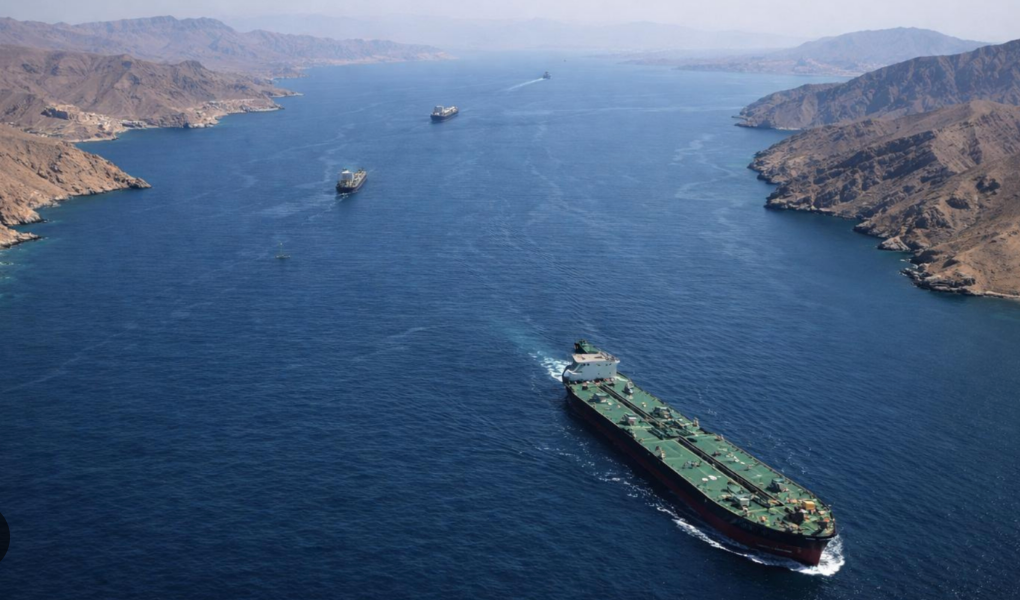
 Oil Prices Surge Amid US-Iran Strait Tensions
Oil prices moved sharply higher on April 6, 2026, following escalating geopolitical tensions between the United States and Iran. The catalyst was a stark warning from President Donald Trump, who urged Iran to reopen the Strait of Hormuz or face severe consequences. Markets reacted quickly. Traders, already sensitive to supply risks, pushed oil prices upward amid fears of disruption in one of the world's most critical energy corridors.
This reaction was not merely about rhetoric. It reflected how fragile global supply chains remain when geopolitical flashpoints intensify. A single chokepoint can influence oil prices worldwide within hours.
A single chokepoint can influence oil prices worldwide within hours, illustrating just how exposed global energy markets remain to geopolitical risk.
Oil Prices Surge on Strategic Risk Concerns
The immediate response in oil prices highlights the critical importance of the Strait of Hormuz. Roughly 20% of the world's oil supply passes through this narrow waterway. Any threat to its accessibility tends to send oil prices higher without delay.
Brent crude and West Texas Intermediate both recorded gains as traders priced in potential supply constraints. The market's reaction was swift and decisive. Even without an actual blockade, the mere possibility of disruption was enough to lift oil prices significantly.
Short-term traders often respond to headlines. However, institutional investors tend to look deeper. In this case, the rise in oil prices reflects a broader reassessment of geopolitical risk premiums embedded in energy markets.
Why the Strait of Hormuz Matters to Oil Prices
The Strait of Hormuz is not just another shipping lane. It is the backbone of global oil transportation. Countries across the Middle East rely heavily on this route to export crude oil to Asia, Europe, and beyond.
When tensions escalate in this region, oil prices typically react due to the potential impact on supply continuity. A disruption, even a temporary one, could lead to immediate shortages in global markets and further pressure on already elevated oil prices.
Energy-importing nations are particularly exposed to swings in oil prices. The most vulnerable include:
- China, which imports a significant portion of its crude through the strait
- India, heavily reliant on Middle Eastern oil for domestic energy needs
- Japan, whose industrial economy is deeply tied to stable oil supply chains
This amplifies the broader economic implications. Higher oil prices can ripple across industries, influencing transportation costs, manufacturing output, and even food prices at the consumer level.
Market Reaction Extends Beyond Oil Prices
The surge in oil prices did not occur in isolation. Equity markets showed signs of caution, while safe-haven assets such as gold experienced mixed movements. Currency markets also reacted, with the US dollar strengthening slightly as investors sought stability amid growing uncertainty.
This interconnected response highlights how oil prices act as a leading indicator of broader market sentiment. Rising oil prices often signal increased uncertainty, prompting investors to reassess risk exposure across asset classes.
At the same time, inflation concerns resurfaced. Higher oil prices can translate into increased energy costs, which may feed into consumer price indices globally. Central banks, already navigating complex economic conditions, may need to reconsider their policy trajectories if oil prices remain elevated over an extended period.
Geopolitical Signals and Market Psychology
Trump's statement introduced a sense of urgency into the situation. The reference to a specific timeline added immediate pressure, making the scenario more concrete in the eyes of market participants.
Psychology plays a significant role in determining oil prices. They are not driven solely by physical supply and demand. They are also influenced by expectations, sentiment, and the perception of risk. When those perceptions shift, oil prices can move well ahead of any actual physical disruption.
Markets often react more strongly to uncertainty than to confirmed events. The current rise in oil prices reflects this dynamic precisely. Traders are positioning themselves ahead of potential developments rather than waiting for concrete supply disruptions to materialise.
- Initial geopolitical statement triggers sentiment-driven buying
- Risk premium is priced into Brent crude and WTI futures
- Institutional investors reassess broader portfolio exposure
- Inflationary expectations adjust to reflect sustained higher oil prices
What Could Happen Next for Oil Prices
The trajectory of oil prices will depend largely on how the situation unfolds over the coming days and weeks. If tensions ease and the Strait of Hormuz remains fully operational, oil prices may stabilise or partially retrace their recent gains.
On the other hand, any further escalation could push oil prices even higher. A prolonged disruption would likely carry far-reaching consequences for global energy markets and broader economic stability.
There is also the question of strategic reserves. Governments may intervene by releasing reserves to stabilise oil prices if supply disruptions occur. However, such measures are typically short-term solutions and do not address the underlying geopolitical instability driving oil prices upward.
In the longer term, sustained high oil prices could accelerate the global transition toward alternative energy sources. Yet for now, the world economy remains deeply dependent on crude oil, and any disruption to that supply continues to carry outsized consequences.
A Market Watching Closely
Oil prices have once again demonstrated their sensitivity to geopolitical developments. The situation surrounding the Strait of Hormuz serves as a sharp reminder of how interconnected global markets truly are, and how quickly oil prices can shift when strategic chokepoints are called into question.
Investors, policymakers, and traders are now closely monitoring every development. Every statement, every diplomatic signal, and every military movement carries weight in the context of oil prices. The coming days will be critical in determining whether oil prices continue their upward trajectory or begin to stabilise.
According to CNBC, energy market strategists are advising clients to maintain a cautious stance until clearer signals emerge from the diplomatic standoff between Washington and Tehran.
For now, caution dominates. And given the stakes involved, that caution is entirely warranted.
