

Market Insights
Oil Prices Extend Gains as US-Iran Strikes Raise Hormuz Supply Risks
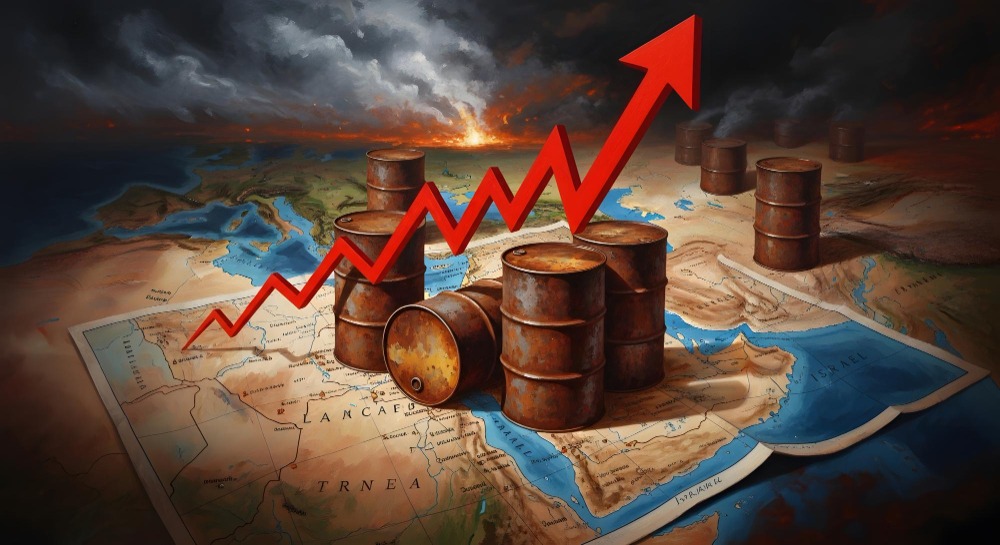 Oil Prices Extend Gains as US-Iran Strikes Raise Hormuz Supply Risks
Oil prices continued climbing as renewed attacks involving the United States and Iran raised concerns that supply disruptions from the Middle East could last longer than initially expected.
The latest escalation focused investor attention on shipping activity through the Strait of Hormuz, one of the world's most strategically important energy corridors.
Brent crude moved above $96 per barrel, while US West Texas Intermediate traded above $92 per barrel as markets added further geopolitical risk premiums to crude prices. Brent and WTI both recorded significant gains during the previous week amid concerns over reduced oil flows through the region.
The developments underline a critical reality for energy markets: physical supply does not need to disappear entirely for prices to rise sharply. The risk of future disruption can be enough to change trading behaviour, shipping decisions and expectations across the global energy market.
Strait of Hormuz Returns to the Centre of the Oil Market
The Strait of Hormuz remains one of the world's most important oil shipping routes.
Historically, around one-fifth of global oil supply has passed through the waterway, making any disruption to shipping activity immediately significant for global energy markets.
Recent attacks involving vessels have increased uncertainty around commercial shipping and heightened concerns that commercial tankers could increasingly become part of the broader geopolitical confrontation.
Shipping activity through the Strait of Hormuz has also declined, adding further concern about the potential impact on global energy flows.
Oil Markets Price in Prolonged Disruption
The latest rise in crude prices reflects more than the immediate military developments. Traders are increasingly assessing how long the disruption could last.
A prolonged reduction in shipping activity could affect:
- Crude oil exports
- Refinery supply chains
- Tanker availability
- Shipping insurance costs
- Global energy inventories
- Consumer fuel prices
The longer uncertainty continues, the greater the risk that higher oil prices begin affecting broader inflation.
Why Rising Oil Prices Matter for Global Markets
Higher oil prices can quickly influence the global economy.
Energy costs are embedded throughout transportation, manufacturing and consumer supply chains. A sustained increase in crude prices can therefore affect everything from airline expenses to food prices.
The potential consequences include:
- Higher transportation and logistics costs
- Increased manufacturing expenses
- Rising consumer inflation
- Pressure on corporate profit margins
- More restrictive central-bank policy expectations
Central Banks Face a More Difficult Inflation Outlook
The timing of the oil-price increase is particularly important. Global central banks remain focused on controlling inflation while supporting economic growth, and higher energy costs could complicate that process.
If crude prices remain elevated, markets may begin reassessing whether interest rates can decline as quickly as previously expected.
Energy Stocks Could Remain Supported
Rising crude prices can provide support for energy-sector companies. Oil producers generally benefit from higher selling prices, although the impact depends on production costs, hedging strategies and broader market conditions.
However, other sectors may face greater pressure. Industries with high fuel consumption, including airlines, transportation and logistics companies, could experience higher operating costs if crude prices remain elevated.
What Could Move Oil Prices Next?
- Whether further attacks involving commercial or energy-related vessels occur
- Changes in shipping activity through the Strait of Hormuz
- Additional restrictions or designated zones affecting maritime traffic
- Production decisions from OPEC+ and other major oil-producing countries
- Diplomatic efforts aimed at reducing tensions
A reduction in geopolitical tensions could remove part of the current risk premium. However, further attacks or additional declines in shipping traffic could push prices higher.
A Market Increasingly Driven by Geopolitical Risk
The latest oil rally demonstrates how quickly geopolitical developments can reshape commodity markets.
Brent and WTI are now reflecting not only current supply conditions but also expectations regarding future disruption. The key issue for investors is whether the Strait of Hormuz situation develops into a prolonged disruption to energy flows.
For now, reduced shipping activity and renewed attacks have increased the geopolitical risk premium across oil markets. As long as uncertainty remains elevated, crude prices are likely to remain highly sensitive to developments involving shipping activity, military tensions and diplomatic negotiations.
DISCLAIMER: Derivative products carry high risk and may result in the loss of your entire invested capital. Before trading, ensure you fully understand the legal framework, product characteristics, and your broker’s trading rules. Always trade responsibly and with caution.
RISK WARNING: Margin trading with leverage is not suitable for all investors due to its high risk. THERE ARE NO GUARANTEED RETURNS in trading. Beware of any claims promising assured profits. Only use capital you can afford to lose. Before engaging in any transaction, ensure you understand the risks and assess both your experience and risk tolerance.
