

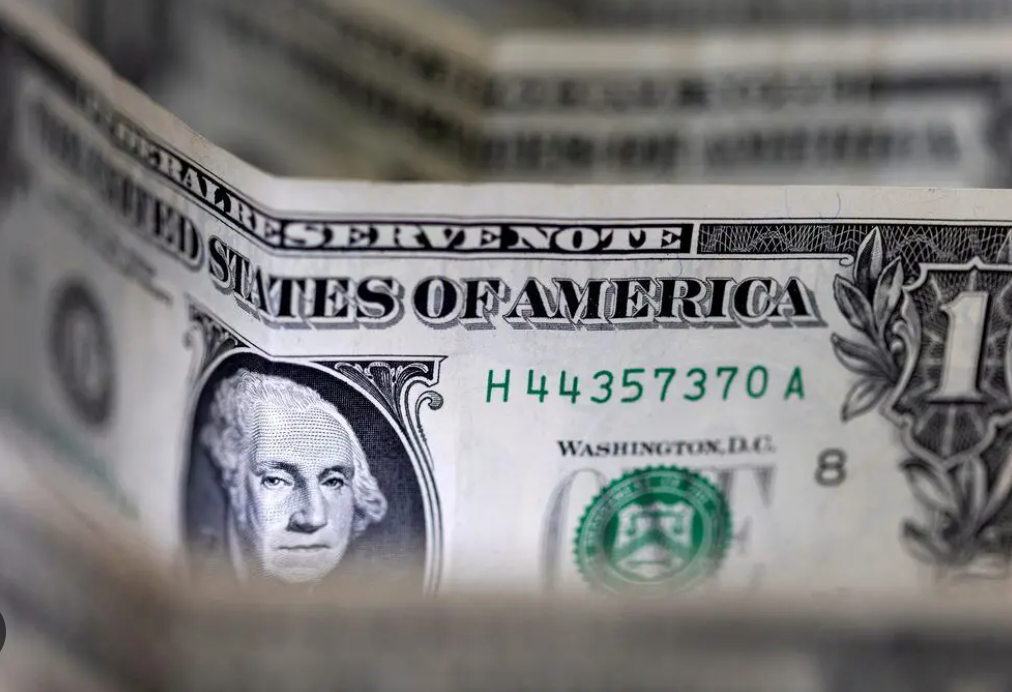
 US Dollar Subdued by Ceasefire Talks
Market Opens with Cautious US Dollar Sentiment
Global markets opened Tuesday with a measured tone, as the US Dollar subdued trend continues to dominate currency trading discussions. Investors are closely tracking developments around ongoing ceasefire talks tied to geopolitical tensions, which are shaping sentiment across forex markets.
The reaction has not been dramatic. Instead, the movement in the US Dollar has been restrained. That alone tells a story. When markets face uncertainty, sharp moves are often expected. Yet this time, traders appear to be waiting rather than reacting aggressively. The dollar subdued environment reflects that hesitation, creating a unique dynamic in currency markets where the US Dollar lacks the typical volatility seen during periods of geopolitical stress.
Ceasefire Talks Keep Traders on Edge
At the center of the current market narrative lies the uncertainty surrounding ceasefire negotiations. According to Economic Times, reports indicate that discussions are ongoing, though no firm resolution has been reached. As a result, traders are reluctant to take strong directional positions in major currency pairs involving the US Dollar.
The US Dollar, typically seen as a safe-haven asset, would normally gain traction during geopolitical stress. However, the dollar subdued pattern suggests that markets are pricing in the possibility of de-escalation, even if cautiously. Markets are not reacting to what has happened. They are reacting to what might happen next. This forward-looking behavior has kept volatility contained, particularly in major US Dollar currency pairs.
US Dollar strength during uncertain times reflects investor psychology, yet current market behavior suggests a different calculus altogether.
Yen Weakness Adds Another Layer to Dollar Dynamics
While the US Dollar remains subdued, the Japanese yen has come under pressure. The divergence is notable. On one side, a cautious US Dollar. On the other, a weakening yen influenced by domestic monetary policy expectations. This relative positioning has redefined how traders perceive the US Dollar in the current market landscape.
The stance of the Bank of Japan continues to play a critical role here. Signals suggesting a delay in policy normalization have weighed on the yen, pushing pairs like USD/JPY higher. This dynamic reinforces the broader dollar subdued narrative. The US Dollar is not necessarily strong on its own merits. Instead, relative weakness in other currencies is shaping the market structure.
In practical terms, this creates a complex environment. Currency movements are no longer driven by a single dominant factor. They are influenced by overlapping forces, including geopolitics and central bank positioning, all of which affect the US Dollar trajectory.
Market Sentiment Remains Fragile Amid US Dollar Caution
Beyond currencies, broader financial markets are also reflecting this cautious mood. Equity futures have shown limited direction, while bond yields remain sensitive to shifts in inflation expectations and geopolitical headlines. Gold, another traditional safe-haven asset, has experienced mixed performance, further underscoring the complexity of the US Dollar outlook.
The US Dollar subdued condition fits neatly into this wider picture. It signals a market that is neither fully risk-on nor fully risk-off. Instead, participants are balancing probabilities. A ceasefire could ease tensions and weaken the US Dollar. Escalation could quickly reverse that scenario, strengthening the US Dollar as a haven asset. This dual possibility is keeping traders on the sidelines, creating the persistent dollar subdued environment.
According to Economic Times, market participants continue to monitor central bank communications and geopolitical developments for clues about the US Dollar direction.
Key Factors Influencing US Dollar Movement
From a structural perspective, the US Dollar subdued phase may not last indefinitely. Markets tend to break out of such consolidation periods once clarity emerges. Several critical factors will determine the US Dollar trajectory:
- Ceasefire Outcomes: Any concrete development in ceasefire negotiations could shift sentiment sharply, leading to a weaker US Dollar as risk appetite improves.
- Federal Reserve Policy: Changes in central bank communication, particularly from the Federal Reserve, could amplify the US Dollar movements beyond current levels.
- Bank of Japan Decisions: Diverging policy paths between the US Dollar-influencing Federal Reserve and the Bank of Japan will shape currency pair dynamics.
- Inflation Data: Economic reports affecting inflation expectations will influence the US Dollar positioning among institutional investors.
For now, however, the forex market remains in a holding pattern. Volumes are steady. Volatility is contained. And the dollar subdued narrative continues to define short-term US Dollar price action across major trading sessions.
What Lies Ahead for the US Dollar
The current landscape reflects a broader theme seen across global markets in 2026. Uncertainty is not new. What is different is how markets are processing it. Rather than reacting instantly, there is a tendency to pause. To evaluate. To wait for confirmation. That approach explains why the US Dollar subdued trend persists despite ongoing geopolitical risks.
Traders are not ignoring the risks to the US Dollar. They are choosing to remain flexible until clearer signals emerge. This strategic patience has defined the behavior of sophisticated market participants who typically drive US Dollar movements.
According to Economic Times, as ceasefire talks progress, the next phase for the US Dollar will likely depend on outcomes rather than expectations. Until then, cautious positioning may continue to dominate, keeping the US Dollar in its current subdued state.
Implications for Investors and the US Dollar Outlook
For investors holding positions that depend on US Dollar strength or weakness, the current environment presents unique challenges. The US Dollar subdued pattern means that traditional hedging strategies may require adjustment.
- Monitor central bank communications for shifts in the US Dollar policy stance.
- Track geopolitical developments that could trigger sharp US Dollar reversals.
- Assess the US Dollar positioning relative to emerging market currencies.
- Evaluate the US Dollar implications of interest rate differentials across major economies.
The US Dollar market remains resilient despite the subdued trend. However, the lack of directional conviction suggests that a significant move could come once clarity emerges. Whether the US Dollar strengthens or weakens will depend on which geopolitical and monetary policy scenarios unfold in the coming weeks.
