

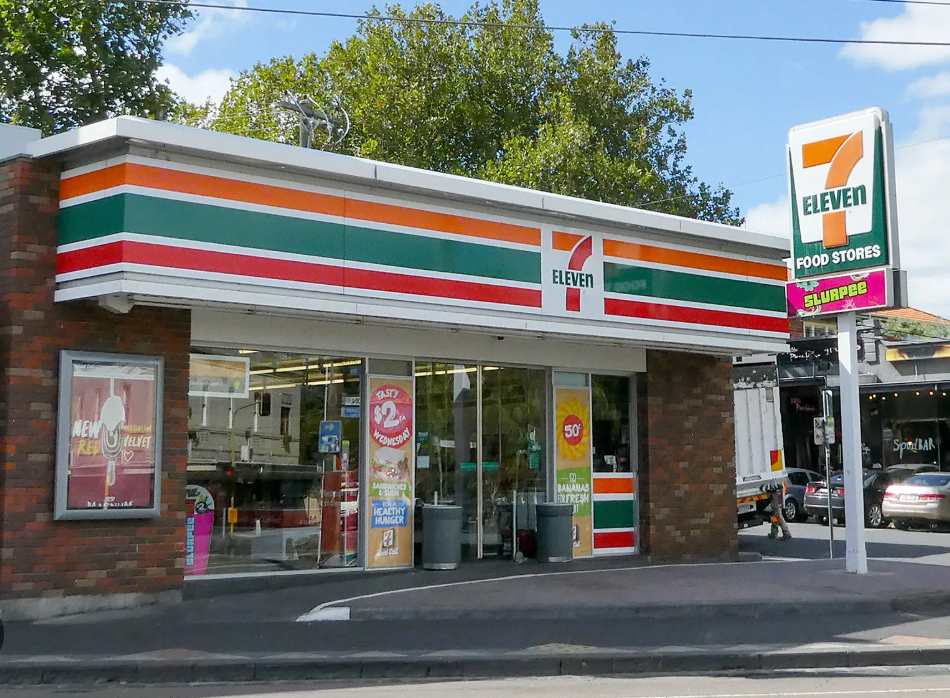
 7-Eleven Store Closures: Understanding the Retail Restructuring
The announcement of widespread 7-Eleven store closures is drawing attention across the retail sector. Convenience store giant 7-Eleven has revealed plans to shut down 645 locations across North America this year, marking one of the most significant restructuring moves in recent memory. According to Global News, the decision reflects changing consumer behavior and ongoing adjustments within the retail landscape.
Why 7-Eleven Store Closures Are Happening
At first glance, the scale of these 7-Eleven closures may seem surprising. After all, convenience stores have long been considered resilient, even during economic downturns. However, several structural changes are reshaping the industry.
The strategic factors behind 7-Eleven store closures include:
- Declining foot traffic in certain urban and suburban locations
- Rising operational costs, including rent and labor expenses
- Increased competition from supermarkets and online delivery platforms
Interestingly, not all stores are affected equally. The 7-Eleven closures are largely focused on underperforming locations. This suggests a strategic realignment rather than a broad-based decline. The goal behind these 7-Eleven store closures is not contraction alone, but optimization. The company is refining its footprint to match current demand patterns.
Changing Consumer Habits and Retail Trends
The wave of 7-Eleven store closures reflects evolving consumer preferences. Today's shoppers are behaving differently compared to just a few years ago. Several trends are influencing this shift in how consumers interact with convenience retailers.
Key consumer behavior changes affecting 7-Eleven include:
- Greater reliance on online ordering and delivery services
- Preference for larger retail formats offering more variety
- Increased price sensitivity amid inflation concerns
Convenience remains important. However, the definition of convenience is changing. Fast delivery, digital payments, and broader product selection are becoming central to consumer expectations. As a result, traditional convenience store models are being tested. The 7-Eleven closures serve as a clear signal that adaptation is necessary in the modern retail environment.
Financial Pressures Behind the Decision
Cost pressures are another key factor driving 7-Eleven store closures. Operating a large network of physical stores comes with significant overhead that has become increasingly difficult to manage. These financial challenges are not unique to 7-Eleven, but the company's response demonstrates decisive action.
Major expenses contributing to the restructuring include:
- Rent in high-traffic areas
- Wage increases for workers
- Supply chain and procurement costs
In this environment, maintaining profitability across every location becomes challenging. Closing underperforming outlets allows companies to reallocate resources more effectively. Moreover, these 7-Eleven store closures may help improve overall margins. Fewer stores, when strategically positioned, can deliver stronger financial performance than a larger but less efficient network.
What This Means for the Retail Sector
The implications of these 7-Eleven store closures extend beyond a single company. They highlight broader trends shaping the retail industry at large. Other retailers are likely facing similar pressures and evaluating their own store networks.
Broader retail sector implications include:
- The need to optimize store networks for efficiency
- The challenge of balancing physical and digital channels
- The importance of adapting to changing consumer expectations
In many ways, the 7-Eleven closures mirror a wider transformation. Physical retail is not disappearing, but it is evolving. Companies that successfully integrate digital and physical experiences are more likely to remain competitive. Those that fail to adapt may face similar restructuring decisions.
Market Reaction and Investor Perspective
From a market standpoint, the announcement of 7-Eleven store closures can be interpreted in multiple ways. On one hand, closures may raise concerns about weakening demand. On the other, they can signal proactive management and strategic discipline focused on long-term success.
Investors often look beyond headline numbers. The focus tends to be on long-term positioning and operational efficiency.
In this case, the 7-Eleven closures could be seen as a move to strengthen the company's operational efficiency. By concentrating on high-performing locations, the company may improve profitability over time. Still, uncertainty remains. Retail is highly sensitive to economic conditions, and shifts in consumer behavior can be difficult to predict.
A Retail Landscape in Transition
The announcement of 7-Eleven store closures underscores a simple reality: the retail environment is changing, and companies must evolve to stay relevant. Convenience stores are not immune to disruption. Digital innovation, shifting preferences, and economic pressures are reshaping the competitive landscape.
As the year progresses, attention will likely remain on how effectively these changes are implemented. The success of these 7-Eleven store closures will ultimately be measured by improved performance and sustained relevance in a rapidly evolving industry. The convenience store sector will continue to watch how 7-Eleven navigates this transition and whether the strategy delivers the anticipated results.
