

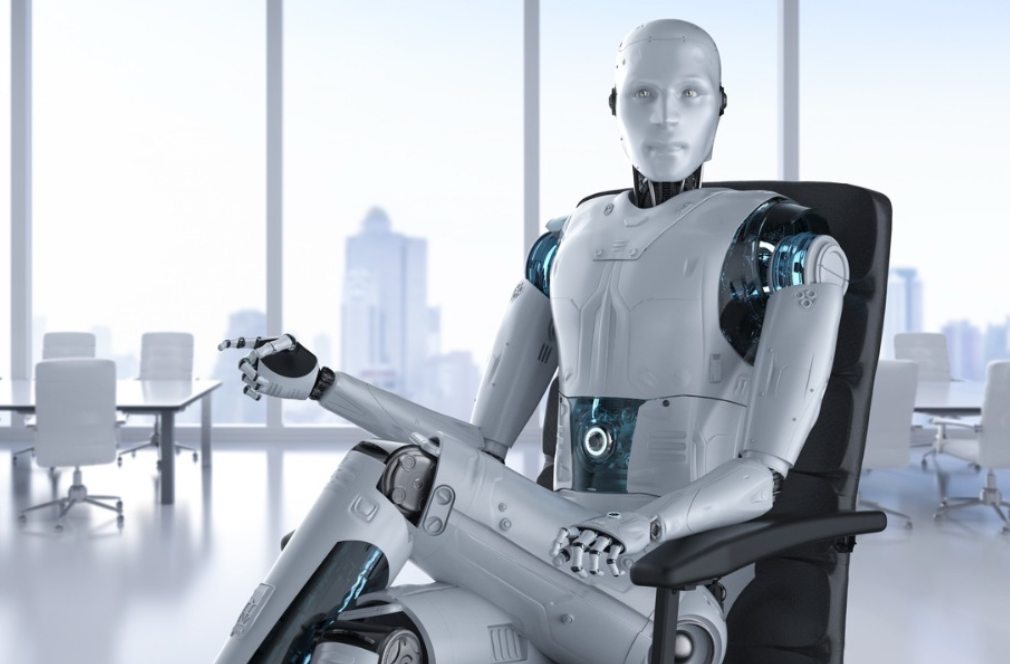
 New Boss at Work: AI Takes the Lead
The concept of a new boss at work may soon look very different from what employees are used to today. Instead of a human supervisor making daily decisions, some companies are experimenting with artificial intelligence systems that monitor performance, assign tasks, and evaluate productivity.
Recent reporting from global media outlets highlights a growing trend in which AI technology is moving beyond simple automation and into leadership functions. The idea may sound futuristic. Yet for some workplaces, the new boss at work is already beginning to take shape.
Interestingly, advances in machine learning and data analytics have made it possible for AI systems to manage workflows with remarkable efficiency. Algorithms that once handled repetitive tasks are now being considered for roles traditionally performed by managers.
How AI Is Becoming the New Boss at Work
Artificial intelligence has gradually expanded its role within modern organizations. Initially used for data processing or customer service chatbots, AI systems are now being integrated into decision-making processes across industries.
In several technology-driven companies, algorithms already analyze employee productivity, track deadlines, and suggest task allocations. Some platforms even generate performance evaluations using behavioral data collected from workplace tools.
This evolution introduces the possibility of AI acting as a new boss at work. Rather than relying on a human manager to oversee operations, companies can deploy systems that monitor activity continuously and adjust tasks in real time.
- Continuous performance monitoring without fatigue
- Real-time task allocation and workflow adjustment
- Data-driven performance evaluations replacing human reviews
- Automated identification of productivity bottlenecks
Proponents argue that such systems reduce bias and increase efficiency. Machines can process enormous volumes of data, identify patterns, and optimize workflows faster than human supervisors. Interestingly, many businesses believe this could transform management structures entirely.
The Economic Incentive Behind AI Management
The rise of the new boss at work concept is closely tied to economic incentives. Companies are constantly searching for ways to improve productivity while controlling operational costs.
Human management structures often involve multiple layers of supervision. Each layer introduces administrative costs and potential inefficiencies. AI management systems promise to streamline those structures.
Technology analysts note that automated management tools can operate around the clock without fatigue. They also generate detailed analytics that companies can use to evaluate performance trends.
Instead of a quarterly performance review led by a human manager, employees may find their progress tracked continuously by algorithms acting as the new boss at work. Such changes could significantly reshape organizational hierarchies.
- Reduced administrative overhead across management layers
- Continuous operational monitoring without additional staffing costs
- Detailed analytics replacing resource-intensive review processes
- Scalable supervision that grows with the organization
Concerns From Workers and Experts
Despite the potential benefits, the emergence of a new boss at work powered by artificial intelligence has sparked concern among labor groups and workplace experts.
One issue involves transparency. When an algorithm assigns tasks or evaluates performance, employees may not fully understand how those decisions are made. If workers cannot challenge or question those decisions, trust in the system may decline.
There is also the question of accountability. Human managers can be held responsible for decisions that affect employees. With AI systems acting as the new boss at work, responsibility becomes harder to define.
Technology ethicists warn that excessive reliance on automated management could lead to unintended consequences. For example, algorithms trained on biased data might reinforce existing inequalities within organizations. Interestingly, regulators and policymakers have begun discussing these challenges as AI adoption accelerates.
Impact on the Future of Work
The idea of a new boss at work reflects a broader transformation in the global labor market. Automation and digital technologies continue to redefine how businesses operate and how employees interact with their workplace.
Industries such as logistics, technology, and finance are already experimenting with advanced management software. In some cases, these systems coordinate scheduling, evaluate employee performance, and optimize team productivity simultaneously.
From a market perspective, companies involved in artificial intelligence development have attracted significant investor interest. Technology firms building AI infrastructure, cloud computing platforms, and data analytics tools are expanding rapidly.
- Logistics companies using AI to schedule and route delivery workers
- Financial institutions deploying algorithms to monitor compliance and productivity
- Technology firms integrating AI project management into daily operations
- Retail organizations using automated systems to manage staffing levels
Financial markets closely monitor these developments because the shift toward automated decision-making could reshape multiple sectors. Interestingly, the rise of the new boss at work concept illustrates how artificial intelligence is evolving from a supporting tool into a strategic management resource.
A Workplace Transformation Underway
The conversation surrounding the new boss at work ultimately highlights a fundamental question facing modern economies. How far should artificial intelligence be allowed to extend into human decision-making?
Some organizations see AI management as a natural step in digital transformation. Others remain cautious, emphasizing the importance of maintaining human oversight in leadership roles.
What appears increasingly clear is that workplace technology will continue advancing. Artificial intelligence systems are becoming more capable, more integrated, and more influential in business operations.
For employees and employers alike, the possibility of a new boss at work may soon move from theoretical debate to everyday reality. Navigating that shift will require thoughtful policy, transparent technology, and ongoing dialogue between workers, businesses, and the systems designed to serve them.
