

 EU Reforms Gain Urgency Amid US Tensions
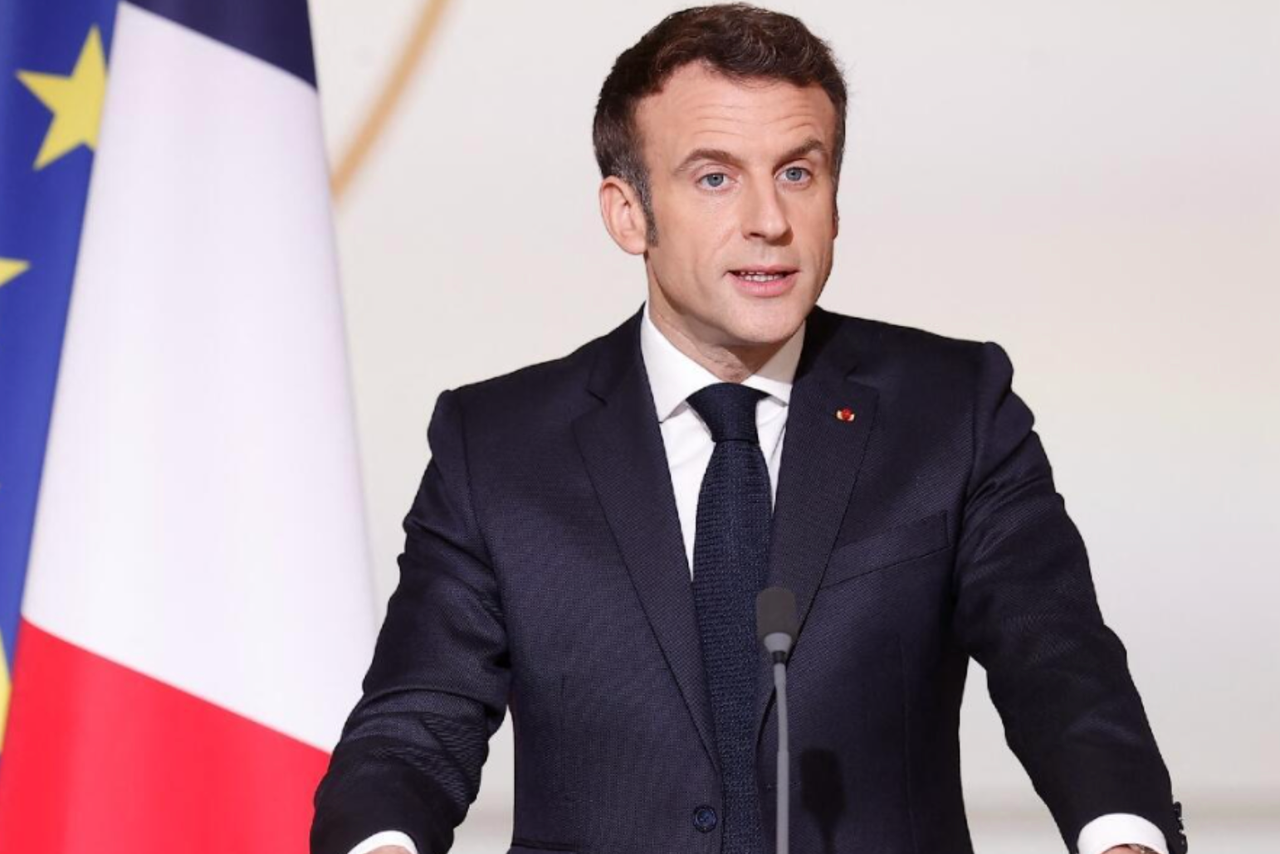
EU reforms have returned to the forefront of global market discussions following comments from Emmanuel Macron, who warned that economic friction between the European Union and the United States could intensify in the years ahead. Speaking amid growing debate over Europe's competitiveness and fiscal structure, Macron urged EU leaders to seize what he described as a decisive moment to push through long-delayed reforms.
The remarks, reported by Reuters on 11 February 2026, arrive at a time when global economic alliances are under pressure. Trade policy, industrial subsidies, and currency dominance are once again shaping cross-border relations. For investors and policymakers alike, EU reforms now carry broader implications beyond internal governance.
Macron's Warning and the Case for EU Reforms
Macron's message was direct. Europe risks falling behind if it continues to rely on fragmented fiscal policies and slow decision-making. According to the French president, renewed economic friction with the United States should serve as a catalyst for EU reforms rather than a source of paralysis.
Interestingly, Macron framed the situation as a strategic test. US industrial policies, including subsidies tied to domestic production and defence spending, have altered competitive dynamics. European firms face tougher conditions, while capital increasingly gravitates toward markets with unified fiscal backing.
EU reforms, in this context, are not limited to regulation. They extend to funding mechanisms, debt issuance, and the bloc's ability to respond collectively to economic shocks.
Joint Borrowing and Fiscal Integration Back in Debate
One of the most sensitive aspects of EU reforms involves joint borrowing. Macron revived calls for collective debt issuance, arguing that the European Union must develop tools comparable to those used by the United States during periods of economic stress.
Joint borrowing remains politically contentious, especially among fiscally conservative member states. Yet the argument has gained traction as Europe confronts slower growth, rising defence needs, and technological competition.
According to Financial Times, market participants have noted that fragmented fiscal responses weaken the euro's global standing. EU reforms aimed at deeper fiscal integration could address this imbalance, although consensus remains elusive.
Currency Power and Strategic Autonomy
Macron's comments also touched on currency influence. The US dollar continues to dominate global trade and financial flows, offering Washington strategic leverage. EU reforms that strengthen euro-based financing structures could gradually reduce this dependence.
From a market perspective, this discussion matters. Currency dynamics influence capital allocation, bond yields, and cross-border investment. A stronger, more unified European fiscal framework could support the euro's long-term credibility.
At the same time, policymakers face trade-offs. Rapid EU reforms may unsettle bond markets in the short term, especially if investors question political cohesion.
Implications for European Markets
European equity and bond markets are closely watching how this debate evolves. EU reforms tied to joint borrowing or industrial policy could reshape sector performance, particularly in defence, infrastructure, and technology.
Financial institutions may benefit from deeper capital markets integration. Export-oriented firms, meanwhile, remain sensitive to US trade policy and subsidy competition.
According to Bloomberg, analysts have pointed out that uncertainty itself carries a cost. Delayed EU reforms prolong ambiguity, discouraging long-term investment planning across the region.
Sectors most affected by potential EU reforms include:
- Defence - Increased spending coordination and joint procurement
- Infrastructure - Collective financing for pan-European projects
- Technology - Industrial subsidies to compete with US and Asian rivals
- Financial services - Capital markets union initiatives
Global Context and Investor Sentiment
Beyond Europe, Macron's warning underscores a broader shift in the global economic order. Trade relationships are increasingly shaped by national security considerations and industrial resilience. Traditional alliances are being recalibrated.
For global investors, EU reforms represent both risk and opportunity. Structural changes could unlock growth potential, yet political resistance remains a hurdle. The outcome will influence capital flows, currency trends, and relative market valuations.
EU reforms, therefore, are no longer an internal European matter. They sit squarely within the global macro narrative.
Investment strategists are monitoring several key indicators:
- Political cohesion among member states on fiscal policy
- Progress toward joint debt issuance frameworks
- Euro bond yield spreads and currency strength
- Industrial competitiveness versus US and Asian markets
A Broader Economic Crossroads
The renewed focus on EU reforms highlights a moment of strategic choice for Europe. External pressure from the United States has sharpened the debate, forcing leaders to confront long-standing divisions.
According to Reuters, whether this moment leads to meaningful reform or renewed stalemate will shape Europe's economic trajectory well beyond 2026. Markets will continue to assess not just policy proposals, but the political resolve behind them.
The success or failure of EU reforms will determine whether Europe can maintain its position as a major economic power or faces continued fragmentation in an increasingly multipolar world.
