

Market Insights
Yuan Hits Multi-Year High Ahead of US-China Summit
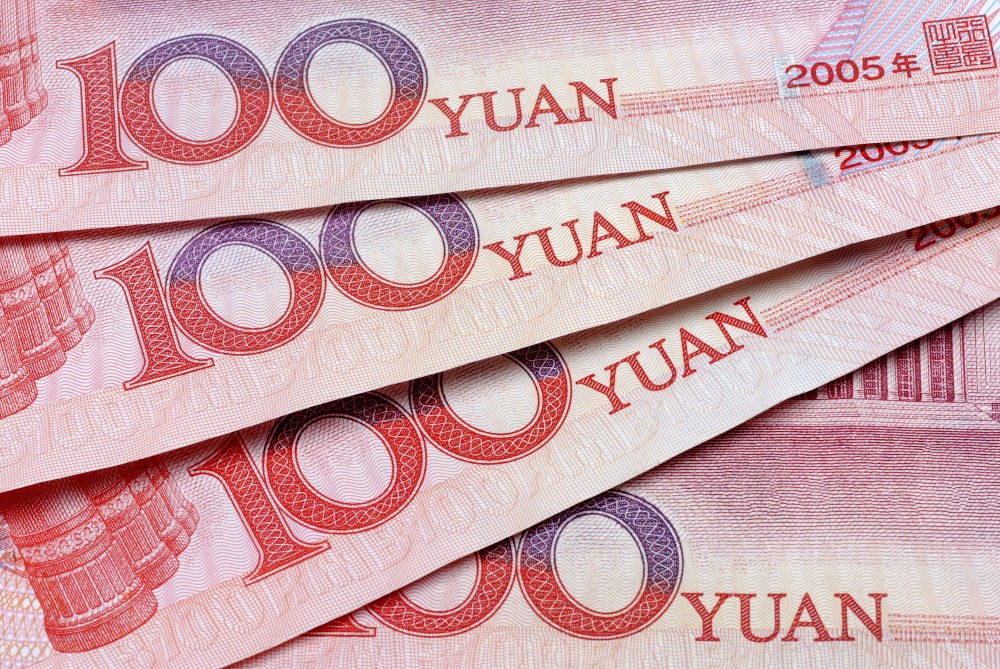
Yuan Hits Multi-Year High Ahead of US-China Summit
The Chinese yuan has moved into the spotlight ahead of a closely watched meeting between U.S. President Donald Trump and Chinese President Xi Jinping, with the currency reaching its strongest level against the U.S. dollar in more than three and a half years.
The onshore yuan strengthened to around 6.6950 per dollar, its strongest level since January 2023, while the offshore yuan also traded near multi-year highs.
The move comes as investors prepare for Xi's September 23–25 state visit to the United States, where the two leaders are expected to discuss trade relations, artificial intelligence, supply chains and broader geopolitical issues.
PBOC Gives the Yuan More Room to Move
The PBOC set its daily midpoint at 6.7487 per dollar, the strongest official fixing since February 2023.
For much of the past year, China's central bank had generally set its daily guidance weaker than market expectations, which traders interpreted as an effort to limit the pace of yuan appreciation.
That pattern has recently changed.
The stronger fixing suggests that policymakers are allowing the currency to trade with greater upward momentum as the U.S.-China summit approaches.
However, this does not necessarily mean that China is beginning a long-term policy of aggressively supporting a stronger yuan.
The recent appreciation may partly reflect efforts to maintain currency stability around the summit rather than a fundamental shift in China's exchange-rate strategy.
Why the Yuan Is Strengthening Now
Several forces are contributing to the yuan's recent performance.
One is the changing tone around U.S.-China economic relations.
U.S. Treasury Secretary Scott Bessent and Chinese Vice Premier He Lifeng recently completed talks in New York, creating a framework for the Trump-Xi meeting.
Investors are watching for developments around trade relations, technology restrictions, supply chains and artificial intelligence.
The possibility of extending the existing trade truce has also improved sentiment toward Chinese assets.
The market response has been visible across several Asian markets, with Chinese technology stocks and Hong Kong equities benefiting from improved risk appetite.
Trade Relations Remain a Major Market Driver
The upcoming summit is important for financial markets because trade policy affects more than tariffs.
- Global supply chains
- Semiconductor exports
- Manufacturing investment
- Commodity demand
- Corporate earnings
- Cross-border capital flows
- Currency expectations
A more stable trade relationship could reduce some uncertainty for companies operating across the two economies.
On the other hand, renewed disagreements over tariffs, technology restrictions or strategic industries could quickly increase volatility.
AI Becomes Part of the US-China Economic Story
Artificial intelligence is another area attracting attention ahead of the meeting.
The technology sector has become increasingly important to both economies, particularly in areas such as advanced computing, semiconductors, data centres and AI models.
At the same time, restrictions on advanced semiconductor technology remain a sensitive part of U.S.-China economic relations.
Any language around AI cooperation, technology access or semiconductor trade could therefore affect both technology stocks and currencies.
The Dollar Adds Another Variable
The yuan's appreciation has occurred even as the U.S. dollar remains relatively firm.
The Dollar Index was around 100.4 on Tuesday, close to a seven-week high, as traders increased expectations for another Federal Reserve rate increase in October.
This creates an interesting dynamic.
The yuan is strengthening despite a relatively firm dollar because investors are also responding to China's policy signals and expectations surrounding the U.S.-China relationship.
If U.S. yields and the dollar continue to rise, however, the yuan could face renewed pressure.
USDCNH Becomes a Key Market Gauge
For traders, USDCNH could become one of the most useful instruments to monitor around the summit.
A sustained decline in USDCNH would indicate continued yuan strength.
A rebound in the pair could signal that investors are becoming more cautious about the summit or reassessing U.S.-China policy expectations.
The onshore-offshore spread could also provide useful information.
What Could Happen Next?
Scenario 1: Trade Expectations Improve
If the summit produces signals of continued trade stability or progress on selected areas, investor confidence in Chinese assets could strengthen.
The yuan could remain supported while Chinese equities and technology shares receive additional attention.
Scenario 2: Limited Progress
If the meeting produces mainly diplomatic dialogue without major policy changes, markets could return their focus to monetary policy, economic data and existing trade arrangements.
The yuan could consolidate after its recent gains.
Scenario 3: Trade Tensions Re-emerge
If disagreements over tariffs, AI or semiconductor restrictions intensify, risk sentiment could deteriorate.
The yuan could come under pressure while investors move toward the dollar and other defensive assets.
What Traders Should Watch
- USDCNH
- USDCNY
- PBOC daily fixing
- U.S.-China summit statements
- Trade and tariff announcements
- Semiconductor policy developments
- AI cooperation or restrictions
- Chinese technology stocks
- Hong Kong equities
- U.S. Treasury yields
- U.S. Dollar Index
Market Outlook
The yuan's move to a multi-year high highlights how currency markets are increasingly responding to policy expectations surrounding the world's two largest economies.
The September 23–25 summit brings trade, technology, supply chains and geopolitical issues into focus, while China's recent currency guidance suggests policymakers are currently more comfortable with gradual yuan appreciation.
For traders, the key question is whether the yuan's strength represents a temporary period of policy-managed stability or the beginning of a more sustained shift in currency dynamics.
The answer will depend not only on the summit itself, but also on subsequent developments in trade policy, U.S.-China yield differentials, China's domestic economy and PBOC policy.
DISCLAIMER: Derivative products carry high risk and may result in the loss of your entire invested capital. Before trading, ensure you fully understand the legal framework, product characteristics, and your broker’s trading rules. Always trade responsibly and with caution.
RISK WARNING: Margin trading with leverage is not suitable for all investors due to its high risk. THERE ARE NO GUARANTEED RETURNS in trading. Beware of any claims promising assured profits. Only use capital you can afford to lose. Before engaging in any transaction, ensure you understand the risks and assess both your experience and risk tolerance.
