

رؤى السوق
Oil Surges Above $100 as Saudi Attacks Deepen Global Supply Risks
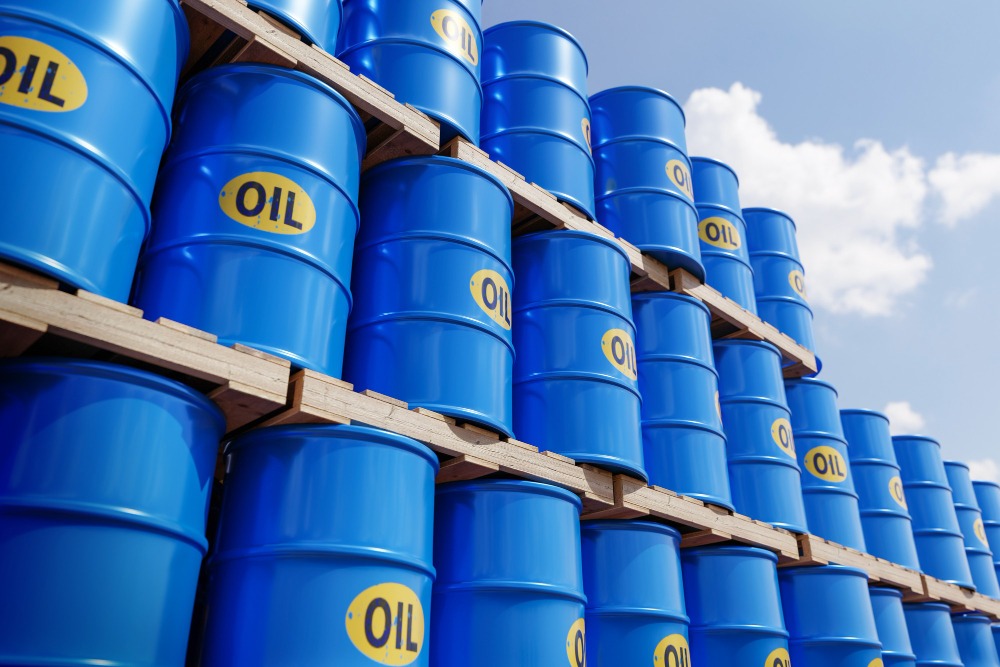
Oil Surges Above $100 as Saudi Attacks Deepen Global Supply Risks
Oil prices continued to climb on September 15 as renewed attacks on Saudi Arabian energy infrastructure and disruptions around key Gulf shipping routes intensified concerns over global crude supplies.
Brent crude rose to around $106.93 per barrel, while U.S. West Texas Intermediate (WTI) traded near $102.65, keeping both benchmarks firmly above the $100 threshold. The latest move came after attacks left Saudi Arabia's East-West pipeline offline, adding another layer of uncertainty to an already fragile energy-supply environment.
The renewed oil rally is no longer simply an energy-market story. Higher crude prices are feeding directly into inflation expectations, bond yields, currencies and central-bank decisions, creating a broader cross-asset challenge for investors.
Saudi Pipeline Disruption Adds to Supply Concerns
A major catalyst behind the latest move is the disruption to Saudi Arabia's East-West pipeline following attacks on energy infrastructure.
The pipeline is strategically important because it allows Saudi crude to be transported toward the Red Sea and helps bypass the Strait of Hormuz. Under normal conditions, it can reroute around 4 million barrels per day, equivalent to roughly 4% of global oil supply.
With the pipeline offline and shipping risks remaining elevated in the Gulf, investors are increasingly focused on how long the disruption could last and whether further attacks could affect additional production or transportation infrastructure.
At the same time, vessel traffic through the Strait of Hormuz has declined significantly amid escalating security concerns. Any prolonged reduction in shipping flows through the waterway could add a substantial geopolitical risk premium to crude prices.
Why the $100 Oil Threshold Matters
Oil trading above $100 is significant because crude is an input cost across a wide range of economic activities.
Higher energy prices can increase transportation expenses, manufacturing costs and household spending. If businesses pass these higher costs through to consumers, headline inflation can accelerate.
The risk becomes more complicated when higher oil prices occur alongside already elevated inflation expectations.
Instead of an isolated commodity rally, markets begin to price a potential energy-driven inflation cycle:
Geopolitical tensions → Supply disruption → Higher oil prices → Higher inflation expectations → Higher bond yields → Tighter monetary-policy expectations
This transmission mechanism is now one of the most important factors shaping the market outlook.
Oil Puts Central Banks in a Difficult Position
The timing of the oil surge is particularly important because major central banks are already facing critical policy decisions.
The U.S. Federal Reserve is widely expected to raise interest rates at its September 15–16 meeting. Reuters' latest economist poll showed 85% of economists expecting a 25-basis-point increase, while futures markets were pricing an even stronger probability of a move.
However, higher oil prices create an additional inflation problem for policymakers.
If energy prices remain elevated, inflation could prove more persistent than expected. That could encourage central banks to maintain restrictive policies for longer, even if higher borrowing costs begin weighing on economic growth.
This creates a difficult balance between controlling inflation and avoiding unnecessary pressure on economic activity.
Asia Faces Greater Energy-Import Pressure
Asian markets are particularly sensitive to a prolonged oil shock because many major economies in the region are significant energy importers.
Higher crude prices can increase import bills, pressure current-account balances and weigh on currencies. Countries with substantial energy subsidies may also face greater fiscal pressure if governments attempt to shield consumers from rising fuel costs.
India, for example, is already seeing pressure on the rupee from elevated oil prices and higher U.S. Treasury yields. The combination of expensive energy imports and a stronger dollar can create additional pressure on emerging-market currencies.
For equities, the impact is more mixed.
Energy producers and related companies may benefit from higher crude prices, while airlines, transportation companies, manufacturers and other energy-intensive businesses could face higher operating costs.
Bonds and the Dollar Become Part of the Oil Story
The oil rally is also influencing fixed-income markets.
Higher energy prices can reinforce inflation expectations, which in turn can push government bond yields higher as investors demand greater compensation for inflation risk.
The U.S. 10-year Treasury yield moved above 5%, its highest level since October 2023, according to Reuters.
Higher U.S. yields have also supported the dollar. The U.S. Dollar Index recently approached a two-week high as investors combined safe-haven demand with expectations for further Federal Reserve tightening.
For gold, the picture is more complicated. Geopolitical tensions can support demand for safe-haven assets, but higher yields and a stronger dollar can increase the opportunity cost of holding non-yielding gold.
What Could Happen Next?
The direction of crude prices will depend heavily on whether supply disruptions remain temporary or become structural.
Scenario 1: Disruptions Persist
If attacks continue and the Saudi pipeline remains offline for an extended period, the geopolitical risk premium could remain elevated.
In this scenario, Brent and WTI could remain above $100, while inflation expectations and bond yields face additional upward pressure.
Scenario 2: Supply Risks Ease
If diplomatic efforts progress, shipping conditions improve and damaged infrastructure returns to operation, part of the geopolitical premium could unwind.
Crude prices could then retrace from elevated levels as traders reassess the actual physical supply impact.
Scenario 3: Conflict Broadens
A broader disruption involving additional Gulf infrastructure or the Strait of Hormuz would represent the highest-risk scenario for global markets.
Under such circumstances, crude could move sharply higher, while equity markets, emerging-market currencies and long-duration bonds could face greater volatility.
What Traders Should Watch
Several indicators will be particularly important in the coming sessions:
- Brent and WTI price momentum
- Saudi oil production and pipeline-repair updates
- Shipping activity through the Strait of Hormuz
- Further attacks on Gulf energy infrastructure
- OPEC+ supply policy
- U.S. inflation expectations
- U.S. Treasury yields and the dollar
- Central-bank responses to energy-driven inflation
Market Outlook
The latest oil rally shows how quickly geopolitical risk can move from the commodity market into the broader financial system.
With crude remaining above $100, investors are no longer watching oil simply as a measure of energy demand. It has become an important indicator for inflation, monetary policy, currencies, bonds and equity valuations.
For traders, the key question is therefore not simply whether oil can rise further. It is whether the current supply disruption remains temporary or develops into a prolonged shock.
As long as uncertainty around Gulf energy infrastructure and shipping routes remains elevated, volatility across global markets is likely to remain a central theme.
DISCLAIMER: Derivative products carry high risk and may result in the loss of your entire invested capital. Before trading, ensure you fully understand the legal framework, product characteristics, and your broker’s trading rules. Always trade responsibly and with caution.
RISK WARNING: Margin trading with leverage is not suitable for all investors due to its high risk. THERE ARE NO GUARANTEED RETURNS in trading. Beware of any claims promising assured profits. Only use capital you can afford to lose. Before engaging in any transaction, ensure you understand the risks and assess both your experience and risk tolerance.
