

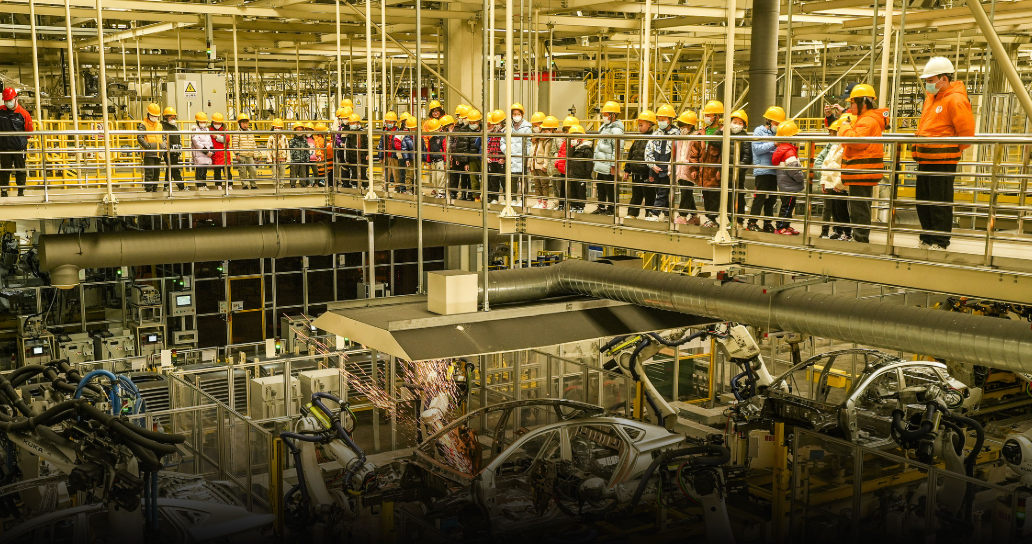
 China Factory Activity Unexpectedly Contracts in July
China factory activity unexpectedly returned to contraction in July, marking a fresh setback for the world's second-largest economy. The latest manufacturing data suggests that both domestic and overseas demand weakened more quickly than economists had anticipated, raising new questions about China's economic momentum during the second half of 2026.
The official Manufacturing Purchasing Managers' Index (PMI) fell to 49.2 in July from 50.3 in June. Since any reading below 50 indicates contraction, the latest result points to declining China factory activity after only one month of expansion. Economists had broadly expected activity to remain around the neutral 50 level, making the decline a notable surprise.
According to Reuters, the drop in China factory activity matters well beyond China's own borders. As the world's largest manufacturing hub and a major consumer of commodities, changes in China's industrial output often influence currencies, equity markets, supply chains, and global trade sentiment.
Why Did China Factory Activity Decline?
Several factors combined to weaken China factory activity during July.
The biggest concern came from falling new orders. Both domestic and export demand softened, indicating manufacturers received fewer orders from businesses and consumers. Higher production costs, slower household spending, and cautious business investment continued to weigh on industrial output.
- Weaker new orders, both domestic and export-driven
- Higher production costs squeezing manufacturer margins
- Cautious business investment amid uncertain demand
- Slower production as factories anticipate softer demand ahead
Export orders also weakened despite earlier resilience in overseas shipments. Global demand has become more uneven as many economies continue adjusting to higher interest rates and slower economic growth. Chinese manufacturers are increasingly finding it harder to offset sluggish domestic consumption with exports alone.
Manufacturing PMI Sends an Important Signal
The Manufacturing Purchasing Managers' Index is one of the earliest indicators released each month. Investors closely monitor it because it provides a snapshot of business conditions before broader economic data becomes available.
A PMI reading above 50 signals expansion, while anything below that threshold reflects contraction in China factory activity.
July's reading of 49.2 represents the weakest official manufacturing PMI in five months. It also follows recent signs that China's broader economic recovery remains uneven despite targeted policy support earlier this year.
The weakness was not limited to manufacturing. China's non-manufacturing PMI, which covers services and construction, also slipped below expectations, while the composite PMI moved back into contraction territory. Taken together, these figures suggest economic activity slowed across several sectors rather than being isolated to factories alone.
Domestic Demand Remains the Biggest Challenge
Although exports have helped support China's economy during parts of 2026, domestic demand continues to be the primary weakness behind softer China factory activity.
Consumer confidence remains fragile. Property market challenges have reduced household wealth, while businesses remain cautious about expanding investment amid uncertain economic conditions. That combination has limited spending across many parts of the economy.
Manufacturers therefore face pressure from both sides. Domestic buyers are purchasing less, while overseas demand has also become less predictable.
Even with China maintaining its position as a global manufacturing powerhouse, sustained factory growth ultimately depends on stable demand both at home and abroad.
Markets Watch for Further Policy Support
The weaker China factory activity data is likely to increase expectations that Beijing could introduce additional measures to support economic growth.
Earlier this week, China's top policymakers acknowledged that the economy continues facing significant challenges, including weak domestic demand and external uncertainties. Officials reiterated their commitment to boosting consumption and encouraging investment, although no major stimulus package was announced immediately.
That leaves investors watching upcoming policy meetings and economic releases closely.
- Monitor upcoming private-sector PMI surveys for confirmation of the trend
- Watch for signals of fiscal or monetary stimulus from Beijing
- Track retail sales and industrial production data for broader context
If manufacturing continues to weaken over the coming months, authorities may face increasing pressure to introduce stronger support. However, policymakers also remain cautious about adding excessive stimulus that could worsen debt levels or create longer-term financial risks.
Global Markets Could Feel the Impact
China factory activity often has implications far beyond its own economy.
Commodity-exporting countries such as Australia frequently monitor Chinese manufacturing data because weaker factory production typically reduces demand for raw materials like iron ore, copper, and coal.
Currency markets also tend to react. The Australian dollar, offshore yuan, and several Asian currencies often experience higher volatility following significant PMI surprises.
What Investors Should Watch Next
July's China factory activity report does not necessarily indicate a prolonged downturn, but it does reinforce that China's recovery remains fragile.
Upcoming economic releases will provide additional clarity. Investors will pay particular attention to private-sector PMI surveys, industrial production figures, retail sales, export growth, and any new policy announcements from Beijing.
If domestic demand improves or policymakers introduce additional stimulus, manufacturing activity could recover later this year. On the other hand, another series of weak PMI readings would strengthen concerns that slower growth may persist into 2027.
For now, the latest figures on China factory activity serve as a reminder that China's economic recovery remains uneven. Manufacturing continues to face pressure from weaker orders, softer consumer demand, and an uncertain global trading environment. Since China remains deeply integrated into global supply chains, developments in its factory sector are likely to remain one of the most closely watched indicators for investors around the world.
