

رؤى السوق
Indonesia Central Bank Governor Resigns, Raising Questions Over Policy Direction
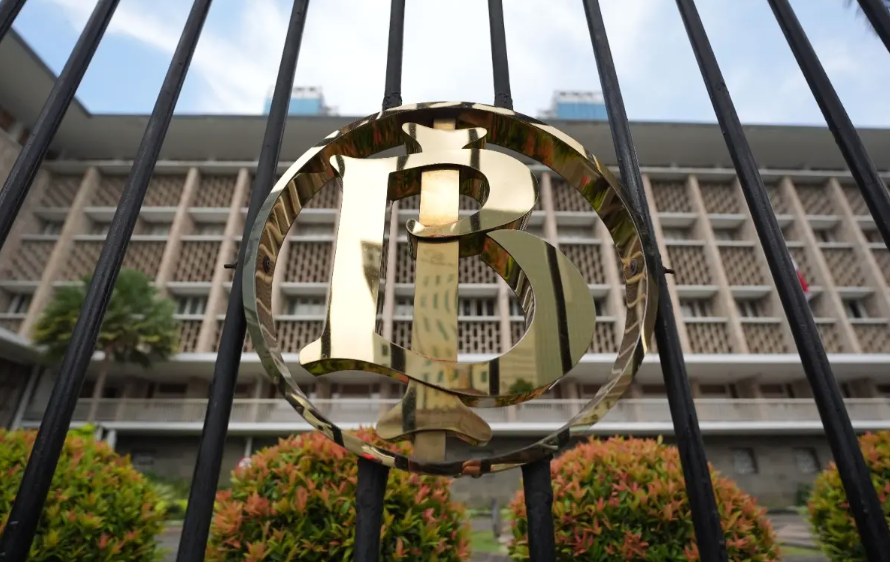 Indonesia Central Bank Governor Resigns Unexpectedly
Indonesia's financial markets are adjusting to an unexpected leadership change after the Indonesia central bank Governor, Perry Warjiyo, stepped down in a surprise move on Monday, July 27, 2026. The announcement caught many investors off guard, triggering fresh discussion about the future direction of monetary policy in Southeast Asia's largest economy.
Leadership transitions at major central banks rarely go unnoticed. They often influence market sentiment because investors rely heavily on policymakers to maintain price stability, support economic growth and safeguard financial confidence. In Indonesia's case, the timing of the resignation has drawn particular attention as global markets continue navigating inflation concerns, shifting interest-rate expectations and geopolitical uncertainty.
According to Reuters, President Prabowo Subianto has formally accepted Warjiyo's resignation, and Senior Deputy Governor Destry Damayanti has been appointed acting governor while a permanent successor is chosen. While officials have cited personal reasons for the departure, the exit of one of Indonesia's most recognised economic policymakers has become a defining development for regional financial markets.
Why the Indonesia Central Bank Matters
The Indonesia central bank, officially known as Bank Indonesia, plays a crucial role in managing the country's monetary policy.
Its responsibilities include setting benchmark interest rates, maintaining inflation within target ranges and supporting the stability of the Indonesian rupiah. Decisions made by the Indonesia central bank influence borrowing costs, investment activity, consumer confidence and capital flows throughout the economy.
For international investors, confidence in central bank leadership often affects perceptions of policy consistency. Unexpected changes can therefore create short-term uncertainty, particularly when financial markets have limited information regarding succession plans.
Perry Warjiyo's Legacy
Perry Warjiyo has been widely recognised for guiding the Indonesia central bank through several challenging periods, including the COVID-19 pandemic, global inflation shocks and episodes of market volatility since first taking office in 2018.
Throughout his nearly seven-year tenure, Bank Indonesia sought to balance inflation control with economic growth while maintaining currency stability. The central bank also worked closely with government authorities to support economic recovery after the pandemic, introducing various policy measures aimed at strengthening liquidity and sustaining financial stability.
His departure naturally raises questions about whether future policymakers will maintain similar priorities or adopt a different approach.
Investors Will Be Watching the Rupiah Closely
One immediate area of focus is the Indonesian rupiah, which has already faced significant pressure in recent months amid global market turmoil.
Currency markets typically respond quickly to unexpected leadership changes at major central banks because monetary policy plays an important role in shaping exchange-rate expectations.
- If investors believe policy continuity will remain intact, market reactions may prove relatively modest.
- If uncertainty persists regarding future leadership or interest-rate decisions, volatility could increase in the short term.
- If concerns over central bank independence grow, foreign capital flows could become more cautious.
Even without any immediate change in interest rates, leadership transitions alone can influence investor behaviour and capital flows. That helps explain why foreign exchange markets often respond rapidly to developments involving central banks.
Monetary Policy Remains in Focus
The resignation comes at a time when many central banks continue balancing inflation risks with slowing global economic growth.
The Indonesia central bank has spent considerable effort maintaining inflation within its target range while supporting domestic economic activity. Future decisions regarding interest rates will therefore remain closely watched by businesses, investors and financial institutions.
One ASEAN market specialist told CNBC that Warjiyo's exit will likely be viewed negatively, given his reputation as a steady policy anchor.
Should inflation remain contained, policymakers may have greater flexibility in adjusting monetary policy over time. Conversely, renewed inflationary pressures or external economic shocks could require a more cautious approach.
Regional Markets Could Also Feel the Impact
Indonesia represents one of the largest economies in Southeast Asia, making developments at the Indonesia central bank relevant well beyond its domestic market.
Regional investors frequently monitor Indonesia alongside neighbouring economies because shifts in monetary policy can influence trade, investment flows and broader market sentiment.
Global fund managers with exposure to emerging markets may also reassess portfolio allocations if policy uncertainty increases. Much will depend on how smoothly the leadership transition unfolds and whether officials reinforce confidence in the central bank's long-standing policy framework.
What Investors Should Monitor Next
Several developments are likely to attract market attention over the coming weeks.
- The government's announcement regarding the next governor of the Indonesia central bank, including the experience and credibility of the incoming leader.
- Upcoming monetary policy meetings, which may provide important signals regarding priorities under new leadership.
- Movements in the rupiah, government bond yields and foreign investment flows, which will offer additional clues about investor confidence.
A Defining Moment for Indonesia's Financial Markets
The unexpected resignation of Perry Warjiyo marks an important moment for the Indonesia central bank and the country's financial system.
Although leadership changes do not automatically result in policy shifts, investors typically seek reassurance that monetary policy will remain predictable and credible. Maintaining that confidence is especially important at a time when global markets continue facing inflation risks, uncertain interest-rate paths and changing geopolitical conditions.
For now, attention remains firmly focused on Indonesia's next policy chapter. How the leadership transition unfolds could shape market sentiment not only for the rupiah but also for broader investor confidence in one of Asia's most significant emerging economies.
DISCLAIMER: Derivative products carry high risk and may result in the loss of your entire invested capital. Before trading, ensure you fully understand the legal framework, product characteristics, and your broker’s trading rules. Always trade responsibly and with caution.
RISK WARNING: Margin trading with leverage is not suitable for all investors due to its high risk. THERE ARE NO GUARANTEED RETURNS in trading. Beware of any claims promising assured profits. Only use capital you can afford to lose. Before engaging in any transaction, ensure you understand the risks and assess both your experience and risk tolerance.
