

رؤى السوق
South Korea Raises Interest Rates for the First Time in Over Three Years
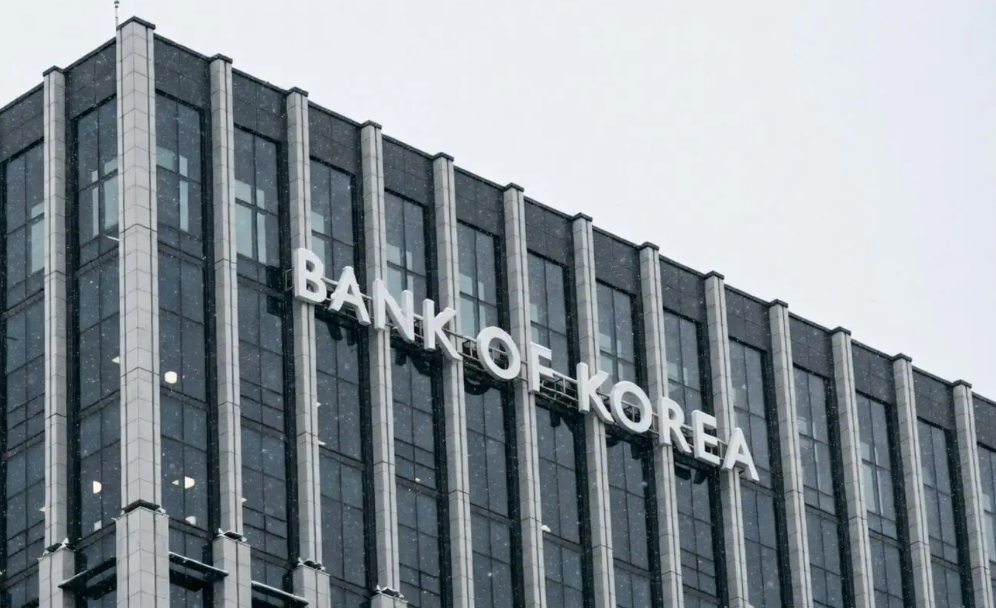 South Korea Interest Rates Rise to 2.75% as Bank of Korea Battles Inflation
The Bank of Korea has raised its benchmark interest rate to 2.75%, marking the country's first rate increase in more than three years. The widely anticipated decision reflects growing concerns about inflation, household debt, and financial stability as South Korea's economy continues to recover.
For investors across Asia, the move represents more than a routine policy adjustment. Central bank decisions often influence borrowing costs, consumer spending, currencies, and equity markets. This latest increase in South Korea interest rates is expected to shape market expectations not only domestically but also across the broader Asia-Pacific region.
Interestingly, South Korea is among the first major Asian economies to begin tightening monetary policy again after an extended period of stable rates. That makes the decision particularly significant for investors watching regional economic trends.
Why Did the Bank of Korea Raise Interest Rates?
According to Reuters, inflationary pressures remain elevated despite signs that price growth has moderated compared with previous years. Policymakers also expressed concerns about rising household debt and increasing risks within the property market.
Higher interest rates are one of the central bank's primary tools for slowing demand in the economy. When borrowing becomes more expensive, consumers and businesses typically spend less, helping reduce inflation over time.
The latest increase brings South Korea interest rates to 2.75%, ending a period of more than three years without a rate hike. While the move itself was relatively small, its message was clear.
The central bank believes inflation risks have not disappeared, and maintaining price stability remains a priority.
Inflation Continues to Influence Policy
Inflation has eased from its earlier peaks across many global economies. Even so, policymakers remain cautious.
Food prices, housing costs, and services inflation continue to place pressure on household budgets. Global geopolitical tensions have also contributed to uncertainty surrounding energy prices and supply chains.
Let that sink in — central banks rarely focus on current inflation alone. Their decisions are based on where inflation is expected to move over the coming months.
If inflation begins rising again, delaying action could require much larger rate increases later. That explains why the Bank of Korea has chosen to act now despite signs of improving economic conditions.
What Higher South Korea Interest Rates Mean
The increase in South Korea interest rates will likely affect different parts of the economy in different ways.
- Borrowers: Mortgage payments and business loans may become more expensive as commercial banks adjust lending rates.
- Savers: Higher interest rates often lead to improved returns on deposits and savings accounts.
- Businesses: Companies planning large capital investments may face higher financing costs.
- Investors: Markets will closely monitor how higher borrowing costs influence consumer spending and corporate earnings.
Financial markets generally view monetary policy as one of the most important drivers of asset prices.
Market Reaction Remained Measured
South Korean financial markets reacted cautiously following the announcement. The Korean won remained relatively stable against the US dollar, while equity investors focused on the central bank's forward guidance rather than the rate increase itself.
Technology stocks, including major semiconductor companies, continued attracting attention as investors balanced domestic monetary policy against improving global demand for artificial intelligence hardware and memory chips.
According to CNBC, analysts believe future comments from the Bank of Korea could prove more influential than the latest rate decision itself. Markets are now looking for clues about whether additional increases may follow later this year.
How South Korea Compares With Other Central Banks
The latest move places South Korea among several economies adjusting monetary policy in response to changing inflation dynamics.
- The US Federal Reserve and the European Central Bank have spent recent years navigating inflation that reached multi-decade highs.
- Some central banks have already started lowering rates after inflation moderated.
- Others remain cautious, preferring to wait for additional economic data before making further adjustments.
The Bank of Korea has taken a slightly different path by increasing South Korea interest rates, reflecting domestic economic conditions rather than simply following global trends.
Every economy faces different challenges. While global events influence financial markets, central banks ultimately respond to conditions within their own economies.
Investors Will Watch Future Guidance Closely
Although the latest increase was widely expected, uncertainty remains over what comes next. Economists will continue monitoring inflation, employment, consumer spending, exports, and global trade conditions before predicting the next policy move.
South Korea's export-driven economy remains closely linked to demand from the United States, China, and other major trading partners. Any slowdown in global trade could influence future monetary policy decisions, while stronger semiconductor exports could provide additional support for economic growth.
These competing forces mean policymakers are unlikely to commit to a fixed path for future South Korea interest rates. Instead, decisions will probably remain data dependent.
A Decision That Extends Beyond South Korea
The latest increase in South Korea interest rates demonstrates that central banks continue prioritizing price stability despite improving economic conditions.
While a quarter-point increase may appear modest, its broader implications extend into financial markets, currencies, investment decisions, and household finances.
For investors, the decision serves as another reminder that monetary policy remains one of the strongest forces influencing global markets. Whether inflation continues easing or new economic risks emerge, future guidance from the Bank of Korea will remain closely watched by investors across Asia and beyond.
DISCLAIMER: Derivative products carry high risk and may result in the loss of your entire invested capital. Before trading, ensure you fully understand the legal framework, product characteristics, and your broker’s trading rules. Always trade responsibly and with caution.
RISK WARNING: Margin trading with leverage is not suitable for all investors due to its high risk. THERE ARE NO GUARANTEED RETURNS in trading. Beware of any claims promising assured profits. Only use capital you can afford to lose. Before engaging in any transaction, ensure you understand the risks and assess both your experience and risk tolerance.
