

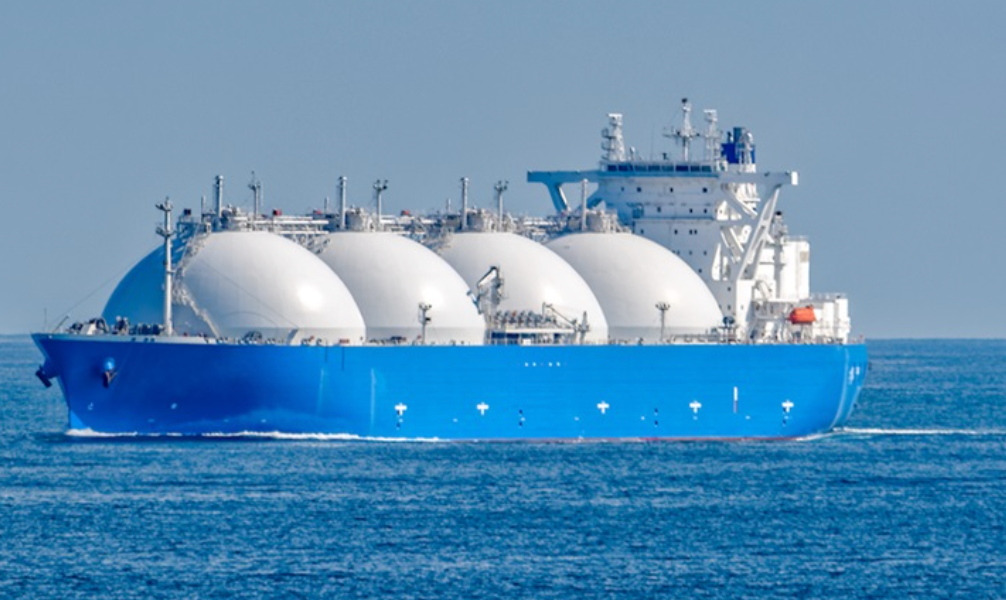
 Qatar LNG Expansion Slows After Tanker Attack Near Strait of Hormuz
The global energy market is once again facing uncertainty after Qatar LNG shipments became the latest focus of investor attention. Qatar has reportedly paused plans to increase liquefied natural gas exports following a tanker attack near the Strait of Hormuz, highlighting how geopolitical tensions continue to influence international energy trade.
The decision comes as security concerns surrounding one of the world's busiest maritime corridors intensify. While LNG production itself remains unaffected, the risks associated with transporting cargo through the Strait of Hormuz have prompted a more cautious approach from exporters and shipping companies.
For global energy markets, the development serves as another reminder that supply chains can be influenced as much by transportation risks as by production capacity.
Qatar Delays Additional LNG Shipments
According to news reports, Qatar LNG exporters have temporarily paused efforts to increase cargo movements following the recent tanker attack in the Strait of Hormuz.
The decision reflects growing concerns about the safety of vessels navigating through the strategic waterway, which serves as a vital export route for oil and liquefied natural gas from Gulf producers.
Interestingly, the pause does not indicate any reduction in Qatar's production capacity. Instead, it reflects operational caution while authorities and shipping companies continue assessing regional security conditions.
That distinction is important: a pause in shipment growth is not the same as a decline in output.
Energy markets often respond not only to changes in production but also to developments that could disrupt transportation and delivery schedules.
Strait of Hormuz Remains a Critical Energy Corridor
The latest developments surrounding Qatar LNG once again underline the importance of the Strait of Hormuz.
The narrow shipping passage connects the Persian Gulf with global markets and carries a substantial share of the world's crude oil and liquefied natural gas exports every day.
Qatar, one of the world's largest LNG exporters, relies heavily on this route to supply customers across Asia, Europe, and other international markets.
Any increase in security risks naturally raises concerns among several groups, including:
- Shipping operators managing vessel schedules
- Insurers pricing maritime risk
- Commodity traders monitoring supply flows
- Energy buyers dependent on steady delivery
Even if vessels continue moving through the region, higher insurance premiums, additional naval escorts, and operational delays can increase transportation costs throughout the supply chain.
LNG Markets React to Geopolitical Risks
The latest Qatar LNG developments highlight how sensitive natural gas markets remain to geopolitical events.
Unlike pipeline gas, liquefied natural gas depends entirely on uninterrupted maritime transportation. As a result, disruptions affecting shipping routes can quickly influence market sentiment.
This explains why geopolitical headlines frequently trigger immediate reactions across global energy markets. Commodity traders continuously evaluate both current conditions and future risks when pricing natural gas contracts.
Global Buyers Continue Monitoring Supply Security
The temporary pause involving Qatar LNG has also drawn attention from importing nations that rely heavily on Gulf energy supplies.
Countries across Asia remain among the largest buyers of Qatari LNG, using the fuel to support electricity generation, industrial production, and residential energy demand.
European markets also continue purchasing significant LNG volumes as governments seek diversified energy sources following changes in regional gas supply patterns over recent years.
For buyers, supply reliability remains just as important as pricing. Although no widespread disruption has occurred, prolonged security concerns could encourage some importers to diversify procurement strategies or seek additional cargoes from alternative producers.
Shipping Costs Could Become Another Market Driver
Beyond commodity prices themselves, Qatar LNG exports may also be affected by rising transportation expenses.
Marine insurers frequently reassess risk premiums whenever geopolitical tensions escalate in key shipping regions. Higher insurance costs, combined with additional security measures, can increase the overall cost of transporting LNG cargoes.
- Shipping companies reassess sailing schedules based on security bulletins
- Insurers adjust premiums for high-risk transit zones
- Traders factor added costs into forward pricing
These factors have the potential to influence global LNG pricing even without any interruption to production. As a result, market participants are closely monitoring both regional security developments and commercial shipping activity through the Strait of Hormuz.
Investors Are Watching the Wider Energy Market
The latest Qatar LNG developments come during a period of heightened uncertainty across global energy markets.
According to industry analysts cited by Reuters, recent military activity involving the United States and Iran has already supported higher oil prices, while concerns surrounding tanker safety have added another layer of complexity for natural gas markets.
At the same time, seasonal energy demand, global economic growth, and weather conditions continue influencing supply and consumption forecasts. Rather than focusing on a single event, investors are balancing multiple drivers simultaneously.
This broader perspective helps explain why commodity markets have remained particularly sensitive to geopolitical developments throughout recent weeks.
Energy Security Remains the Central Theme
The temporary pause in expanding Qatar LNG shipments illustrates how geopolitical uncertainty can quickly influence global energy logistics, even when production facilities continue operating normally.
For investors, the immediate focus will remain on security conditions in the Strait of Hormuz, commercial shipping activity, and whether regional tensions continue to escalate or begin to ease. Markets will also monitor any operational updates from Qatar and other major energy exporters as they assess transportation risks.
While LNG production remains stable, the latest developments reinforce an important reality for global markets: energy security depends not only on the availability of resources but also on the ability to move those resources safely and efficiently across international shipping routes.
As long as geopolitical uncertainty persists in the Gulf region, Qatar LNG exports and broader energy markets are likely to remain closely watched by investors around the world.
