

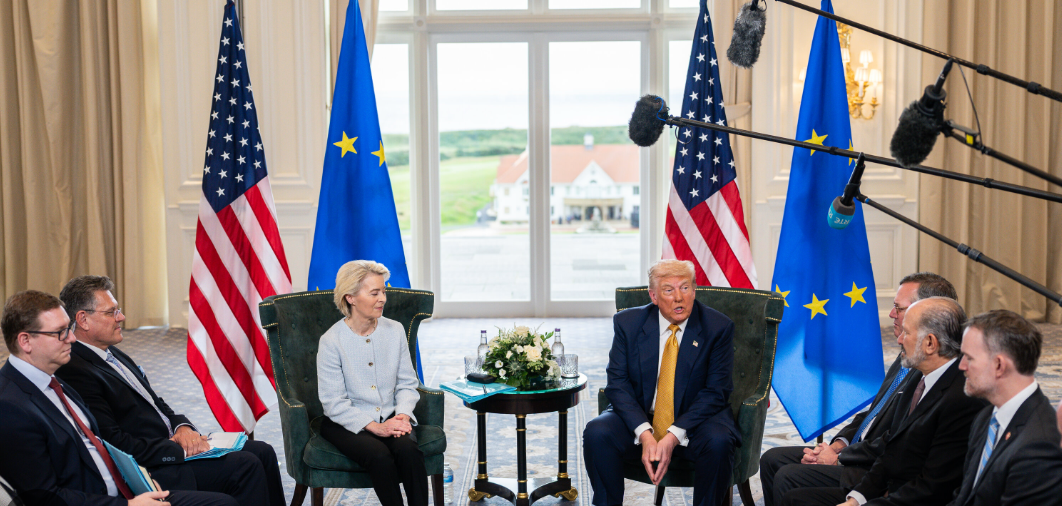
 Understanding the EU-US Trade Deal Framework
The European Union and the United States have reportedly reached a provisional agreement aimed at finalising a comprehensive trade deal that marks a significant milestone in transatlantic economic relations. According to Reuters, negotiators from both sides made substantial progress on key issues after months of intensive discussions involving tariffs, industrial cooperation, and market access. This trade deal represents a critical moment for both economies as they work to stabilize international commerce.
The emerging EU-US trade deal is being viewed by analysts as far more than just another diplomatic milestone. It may influence investment flows, manufacturing strategies, and currency markets over the coming quarters, with potential ramifications across multiple economic sectors globally.
Key Elements of the Trade Deal Agreement
Reports indicate that the provisional trade deal creates a framework for both parties to finalise a larger economic agreement involving multiple sectors. While full details have not yet been publicly disclosed, discussions reportedly included industrial tariffs, green technology cooperation, digital trade standards, and supply chain resilience measures. This comprehensive approach to the trade deal demonstrates commitment from both sides to address modern economic challenges.
That matters because the European Union and the United States collectively account for a significant share of global economic output. The scope of this trade deal extends beyond traditional commerce, incorporating emerging technologies and sustainability initiatives that reflect current global priorities.
Market Response to the Trade Deal Announcement
Financial markets initially responded with cautious optimism following the trade deal announcement. European equity indices showed signs of support following the reports, while the euro also stabilised against the US dollar as investors assessed the implications of reduced trade uncertainty. The positive reaction suggests that markets view the trade deal as a step toward greater economic stability.
Several multinational companies with strong exposure to transatlantic trade drew investor attention following the trade deal news. The broader message from markets appears relatively clear: investors continue rewarding signs of international economic cooperation after several years dominated by geopolitical disputes and protectionist policies.
Implementation Challenges for the Trade Deal
Trade agreements often require lengthy implementation phases, regulatory alignment, and political approval processes before meaningful economic effects become visible. Even when negotiators announce progress on a trade deal, businesses may still wait months before adjusting operational strategies or investment decisions. This reality underscores why patience remains essential despite optimistic market reactions to the trade deal announcement.
Analysts also pointed out that the EU-US trade deal comes at a particularly sensitive time for manufacturing sectors on both sides of the Atlantic. European industries continue facing energy cost pressures and slower growth conditions, while US companies are balancing strong domestic demand against rising operational costs and labour market challenges. The trade deal framework aims to address these concerns through structured cooperation.
Sector-Specific Impacts of the Trade Deal
Several economists believe the provisional trade deal could help reduce uncertainty for exporters, particularly in automotive, industrial machinery, technology, and clean energy sectors. Those industries rely heavily on cross-border supply chains and stable trade rules that the trade deal aims to establish.
The automotive sector remains especially important in discussions surrounding the trade deal. European carmakers have been closely monitoring trade negotiations due to concerns over tariffs, environmental standards, and supply chain costs. Any reduction in trade friction between the EU and US through this trade deal could improve confidence among manufacturers already navigating a highly competitive global market.
Technology and Digital Standards in the Trade Deal
Technology companies are expected to watch developments carefully as the trade deal unfolds. Digital trade standards, data regulations, and semiconductor supply chains increasingly play a central role in international economic negotiations. Some analysts believe future phases of the trade deal could eventually expand cooperation in artificial intelligence infrastructure and advanced manufacturing technologies.
The significance of technology provisions within the trade deal cannot be overstated in today's digital economy. These elements position both the EU and US to strengthen their competitive advantages while establishing shared standards that could benefit the broader global trading system.
Geopolitical Context Supporting the Trade Deal
Policymakers appear eager to present the trade deal as a sign of economic unity among Western economies. That narrative has become increasingly important as global trade dynamics continue shifting. Competition involving China, strategic manufacturing independence, and energy security concerns have all pushed governments to strengthen partnerships with long-standing allies through agreements like this trade deal.
The timing of the trade deal announcement aligns with growing political pressure to stabilise international supply chains after years of disruption caused by pandemics, wars, shipping bottlenecks, and inflation shocks. This convergence of factors makes the trade deal particularly significant for international business.
Currency Market Effects from the Trade Deal
From a currency market perspective, the EU-US trade deal may influence expectations surrounding economic growth and central bank policy. A smoother trade environment established by the trade deal can support business confidence, which in turn may affect inflation trends, industrial production, and investment activity.
Investors tracking the trade deal developments should monitor both the euro and dollar movements as negotiations progress. Currency markets often react quickly to changes in trade sentiment, making the trade deal framework an important variable for foreign exchange traders and multinational corporations.
Looking Ahead: Future of the Trade Deal
However, market participants remain careful not to overreact too quickly to the initial trade deal announcement. Trade negotiations have historically faced unexpected delays, political resistance, and legal complications even after provisional agreements are reached. Investors are therefore likely to focus heavily on upcoming statements from European Commission officials and US trade representatives for additional clarity regarding the trade deal implementation timelines.
The coming weeks will likely determine whether this provisional trade deal evolves into a broader economic framework capable of reshaping trade relationships across multiple industries. Until then, investors appear cautiously encouraged by the latest signs of cooperation between Washington and Brussels reflected in this groundbreaking trade deal.
Broader Global Trade Environment
Another factor worth watching involves the broader global trade environment as the trade deal develops. Several economies continue dealing with export restrictions, industrial subsidies, and regional trade disputes. Against that backdrop, closer EU and US cooperation through this trade deal could influence future negotiations involving other major economic blocs and reshape international commerce patterns.
For corporations operating globally, predictability has become increasingly valuable in recent years. Interestingly, many institutional investors now view trade diplomacy almost as closely as traditional economic indicators. A major trade deal today can shape equity performance, commodity flows, and currency movements just as powerfully as interest rate expectations or inflation reports.
The EU-US trade deal signals that major economies remain committed to rules-based international trade despite ongoing geopolitical tensions. This represents a notable shift in global trade dynamics.
